Most people, including you, likely see luxury brands as symbols of wealth, refinement, and status. That perception results from careful design, marketing, and strict control over distribution. These brands decide what reaches stores, how it is priced, and who gets access to it.
That same control extends to products that do not sell. Instead of allowing those items to circulate freely, many companies eliminate them entirely. This is mainly because such brands want to defend the image they have spent years building.
Burberry

Once Burberry announced that it had destroyed £28.6 million worth of goods in one year, consumers and policymakers raised concerns almost immediately. The inventory included clothing, accessories, and fragrances. The corporation stated that the move protected its brand and prevented unauthorized resale. That explanation did not ease criticism. Public pressure grew quickly and pushed Burberry to confirm it would stop burning goods.
Cartier
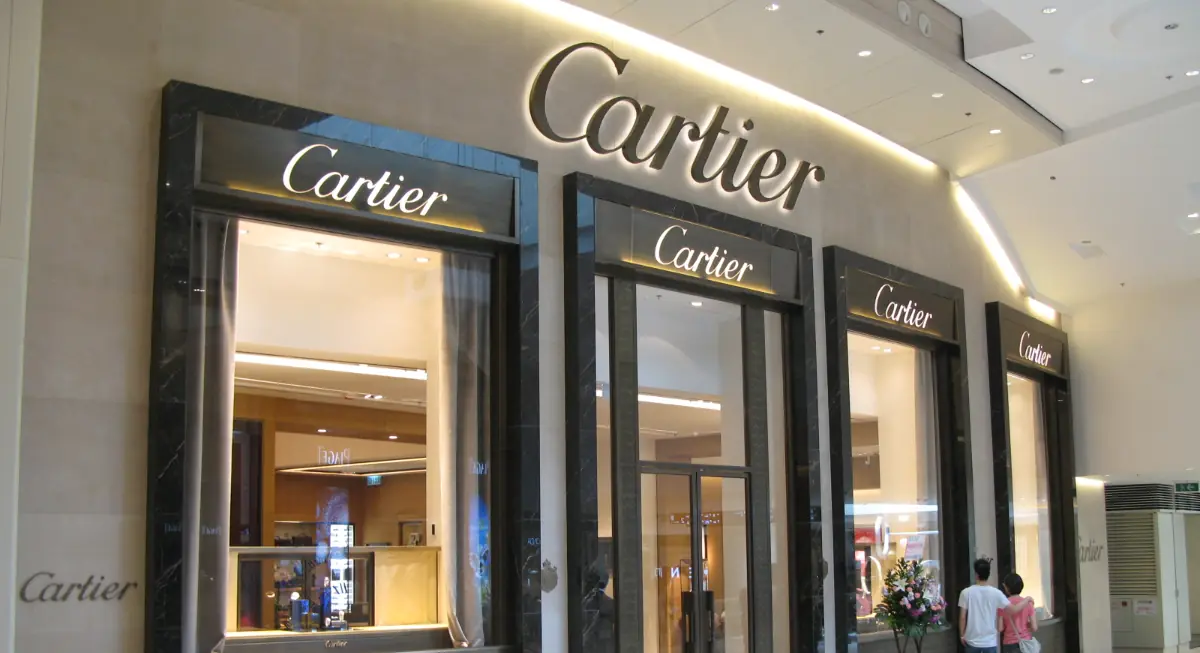
Cartier keeps tight control over what stays on the market. As part of Richemont, the brand has confirmed that it removes unsold watches and jewelry rather than discounting them. Even pieces with small defects are often taken out of circulation rather than fixed and resold, all to protect pricing and brand image.
Louis Vuitton
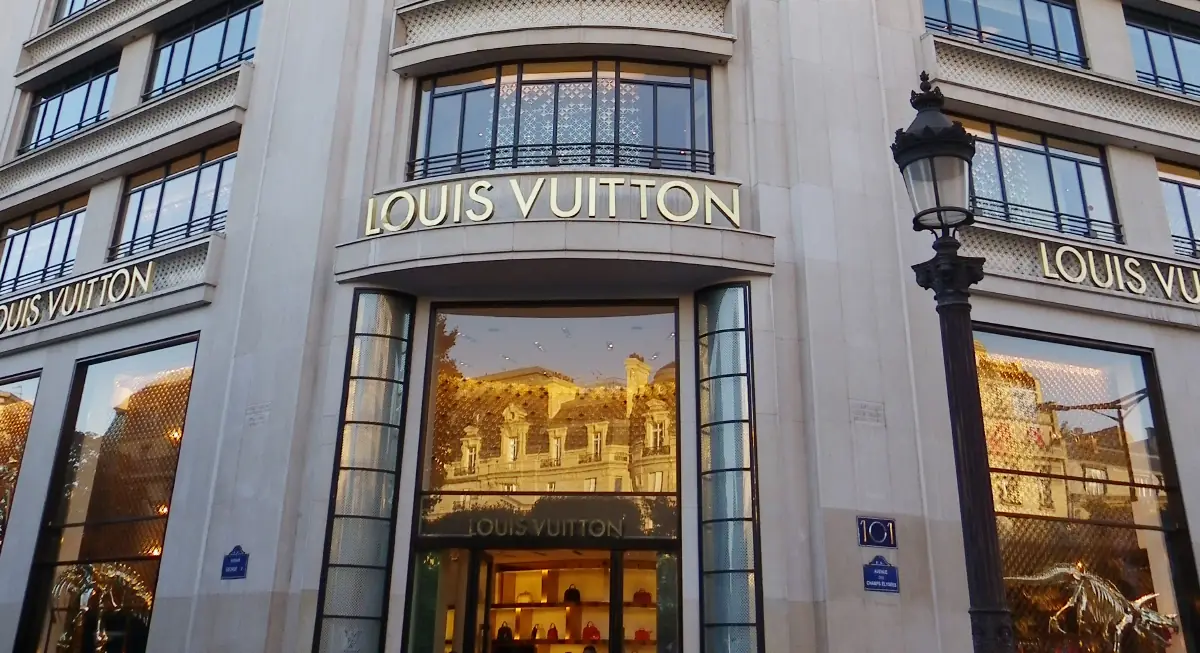
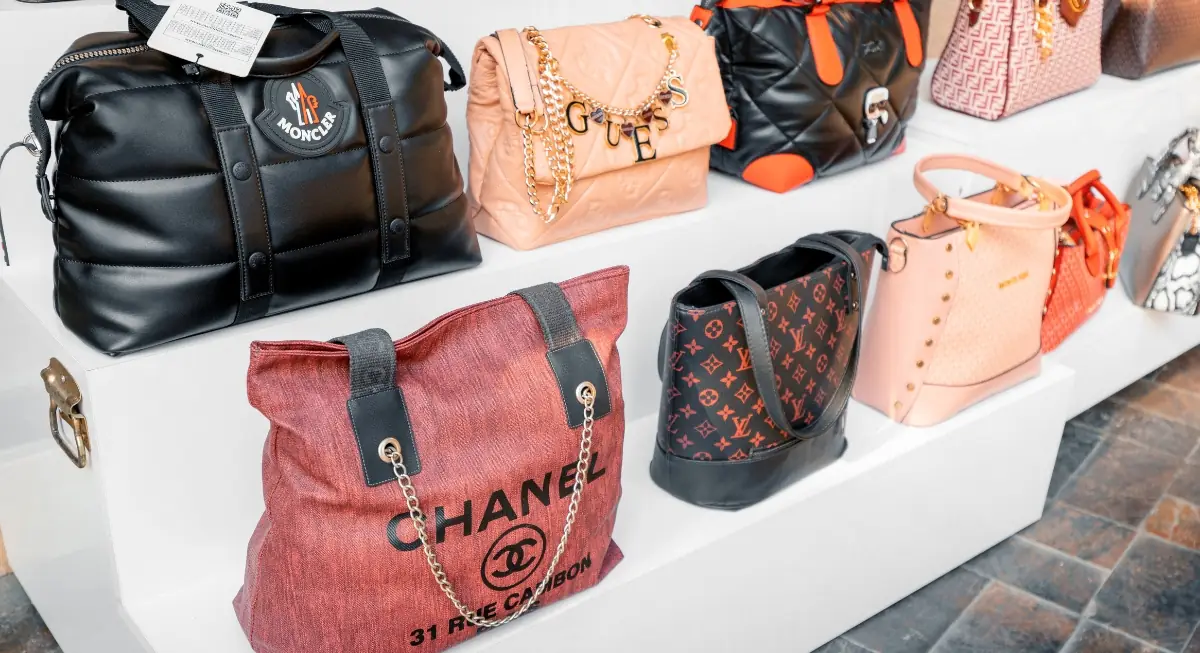
You have probably never heard of a sale at Louis Vuitton, and that is by design. The company avoids discounting under any circumstances. Products that fail to sell at full price are removed from circulation entirely. There have been various accounts indicating that employees cut and damage items such as bags and wallets to make sure there is no resale.
Chanel
If you’ve ever bought Chanel, you’ve seen how tightly everything is controlled. Products only show up in selected boutiques, high-end department stores, or official stores that match the brand’s image. That same control applies to unsold items. Anything left over is kept out of unauthorized markets, so it never appears in places that could undermine the brand’s pricing or positioning.
Hermès
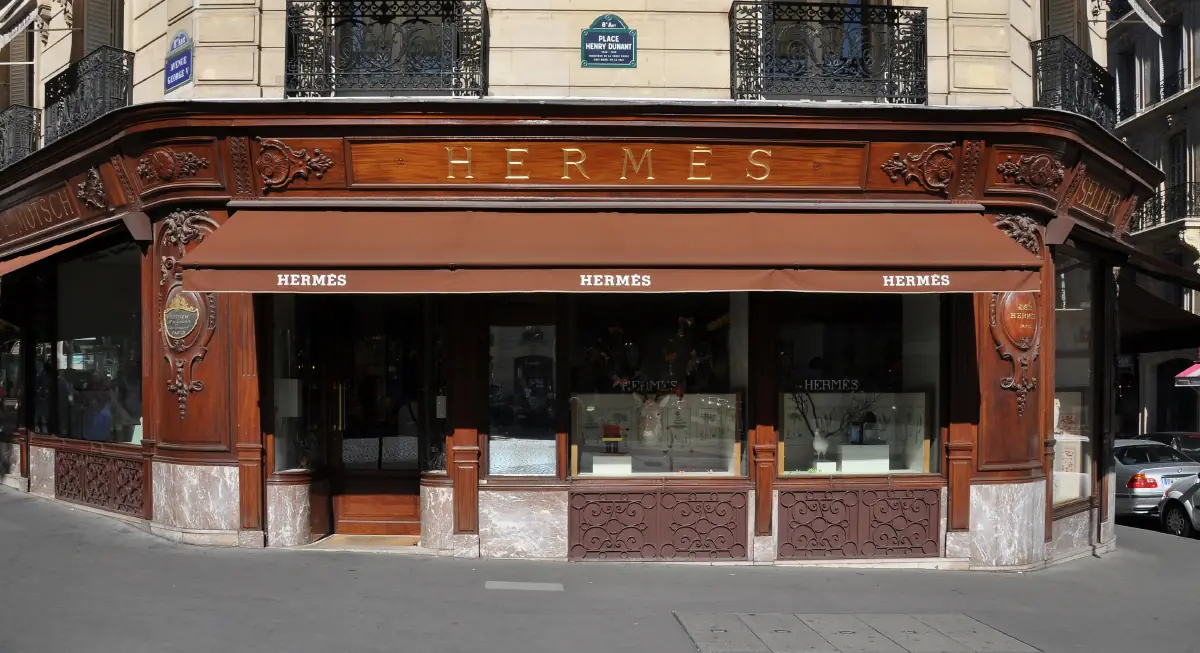
Quality standards guide Hermès’s production. The brand is known for rejecting items that do not meet precise expectations. Even minor imperfections can lead to removal from stock. Some of these products remain functional and visually acceptable to most buyers. Analysts estimate that a portion of annual output never reaches the market.
Prada
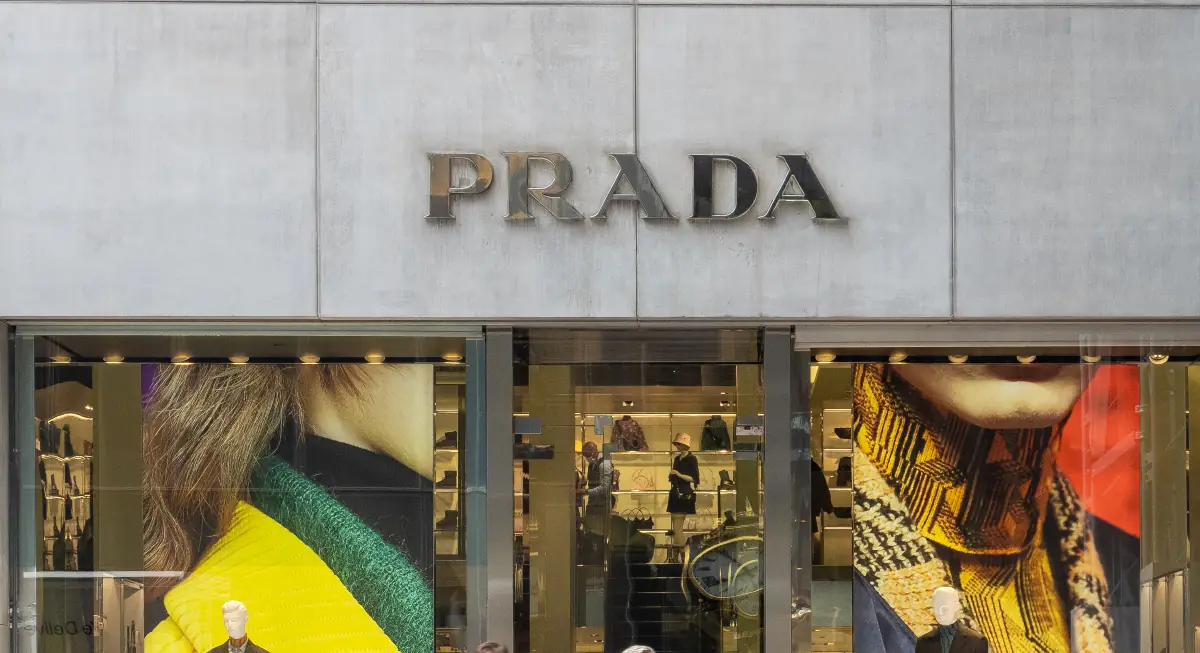
Despite Prada’s sustainability initiatives, such as recycled materials, research has revealed that it destroyed goods valued at close to €30 million. This contrast has drawn attention from observers who question how these practices align. Prada states that removing excess inventory protects brand value and reduces the chances of counterfeiting.
Gucci
According to former employees, excess stock at Gucci is routinely removed through internal processes despite the brand’s public focus on extending product life. These items include clothing, shoes, and accessories that did not sell within the season. However, the designer continues to promote repair and resale initiatives.
Nike
A widely shared video showed several Nike staff members cutting new shoes before disposal. The company explained that this approach reduces liability and maintains product standards. Investigations later suggested that many items remained usable. The situation sparked discussion about internal systems and whether alternative approaches could reduce waste while sustaining quality expectations set by the business.
H&M
Investigations into H&M began after growing scrutiny around sustainability claims and waste management practices. It was later found that it had burned about 60 tons of clothing over several years. The company had promoted recycling initiatives during the same period. H&M stated that burning generated energy for heating, though experts argued that reducing production would address the issue more effectively.
Victoria’s Secret

It is common for Victoria’s Secret to cite hygiene concerns, especially for intimate apparel, as a reason for getting rid of returned and leftover merchandise. In addition, data indicates that new, unsold products are also destroyed. Former employees described being instructed to cut items before disposal to avoid any opportunity for reuse.