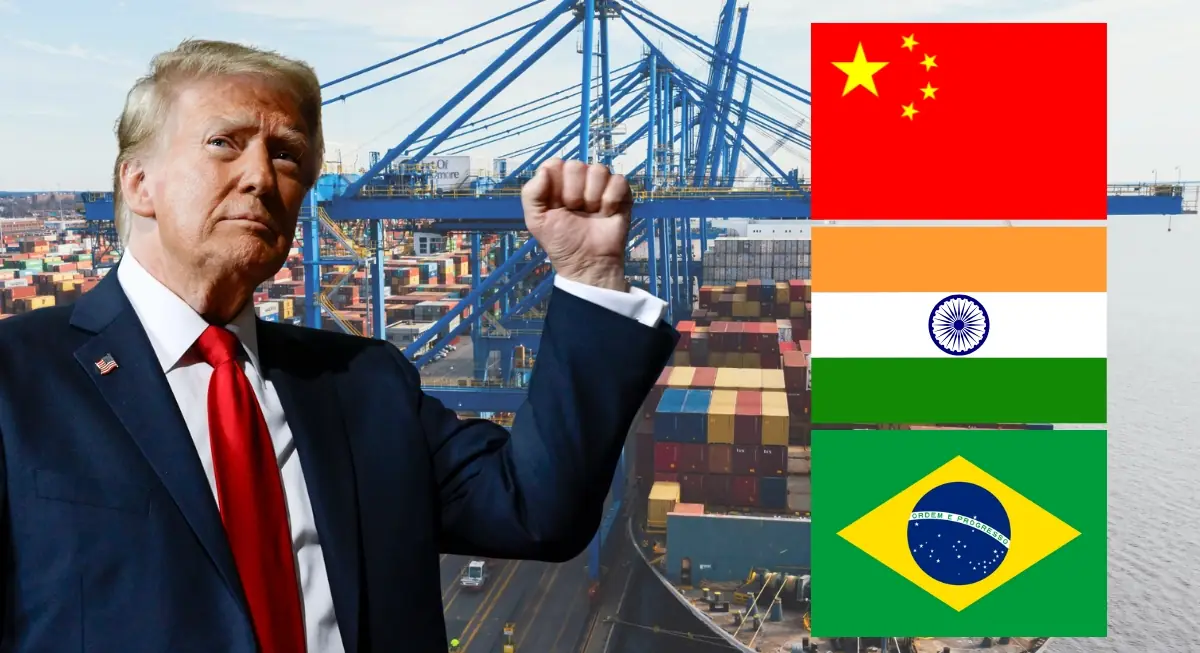
What happens when tariffs start flying like frisbees? Global trade gets messy. The Trump administration’s aggressive tariff policies have significantly impacted global trade dynamics in numerous economies worldwide.
Let’s take a country-by-country look at who took the hardest hits during the Trump administration’s trade war days.
China
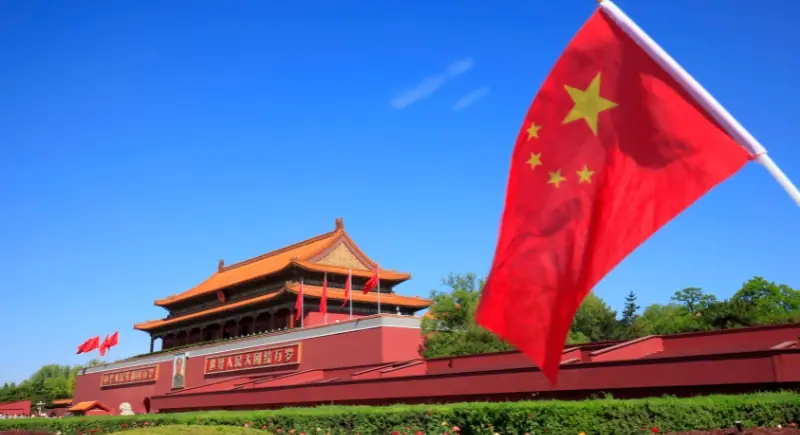
China and America are like two heavyweight boxers in a ring, both landing heavy punches but refusing to tap out. Tariffs are soaring to a hefty 54% on Chinese goods, and Beijing didn’t sit back; it fired back with its own tariffs. American farmers watched soybean exports tank, while Chinese manufacturers scrambled for new markets. Nobody walked away unscathed.
European Union (EU)

The EU found itself in a will-they-won’t-they relationship with U.S. tariffs. At one point, Brussels was bracing for a sweeping 50% tariff on all exports to the U.S., a move that especially rattled Germany, whose €92 billion trade surplus with America was already raising eyebrows. While the tariffs didn’t fully materialize, the EU considered retaliatory measures, including tariffs on U.S. goods worth $100 billion.
Canada

Canada, America’s friendly neighbor, found itself caught in the crossfire. Tariffs on steel and aluminum came out of left field and sent a shockwave through cross-border industries. The move forced Canada to think twice about depending so heavily on U.S. trade, and they didn’t hold back in contemplating counter-tariffs of their own.
Mexico
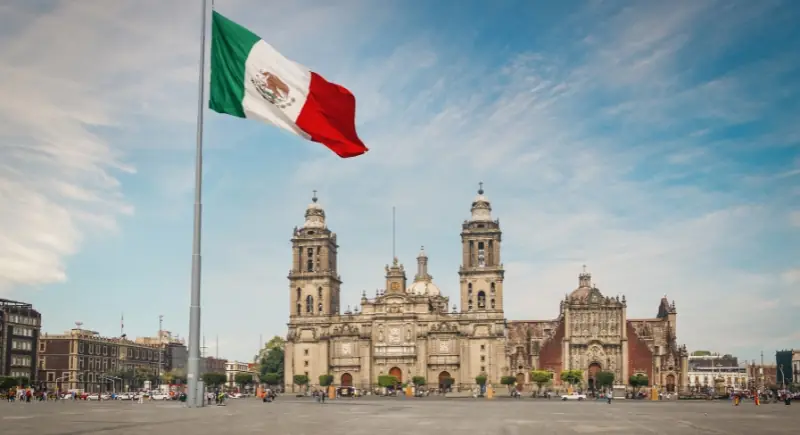
For Mexico, the tariff threats were economic and existential. Levies on cars, produce, and other key exports loomed large enough to potentially shrink the country’s GDP by 1.7% over five years, if left unchecked. Unsurprisingly, Mexican officials launched into damage-control negotiations in an attempt to dodge a direct hit to the nation’s economy.
Vietnam

Before the tariffs, Vietnam was riding high as a rising export powerhouse. Then came a 46% tariff, and things got bumpy fast. The country’s tech and textile sectors, which had built much of their success on U.S. demand, suddenly faced an uphill climb. That’s not exactly the growth trajectory they’d planned.
Cambodia
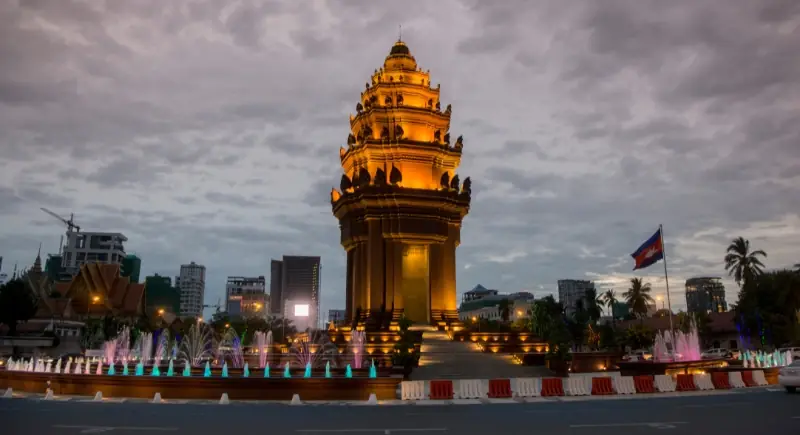
Here’s a less talked-about casualty: Cambodia. With nearly half of its garment exports facing a 49% tariff, the country’s apparel industry hit a wall. Orders from U.S. brands dwindled, and many factories were forced to close shop.
Laos

Laos was subjected to a 48% tariff, which affected its limited but growing export sector. The tariffs hindered economic development efforts and strained the country’s trade relations with the U.S. The blow came just as the country was finding its rhythm in the export game.
Madagascar
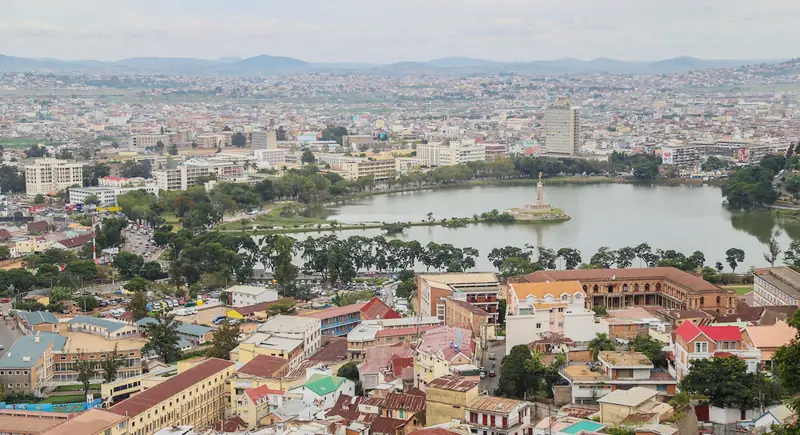
When you think of Madagascar, stunning landscapes and lemurs probably come to mind before trade policy. However, the country’s textile industry, employing around 180,000 people, was severely impacted by a 47% tariff. The loss of U.S. market access threatened approximately 60,000 jobs and a significant portion of the country’s GDP.
India

India found itself on the receiving end of a 26% tariff, a hit to its steel, aluminum, and various manufactured exports. The country quickly began weighing its own tariffs, which sparked trade tension that pushed both sides to the negotiation table. Let’s just say diplomatic patience was in short supply.
Japan

Tariffs targeting Japan’s car and electronics exports came at a particularly awkward time. Companies had products ready to launch and global investment plans lined up. Then suddenly, everything was on hold. Tokyo kept the public reaction cool, but behind the scenes, intense efforts were made to secure exemptions and keep commerce flowing.
South Korea

South Korea, whose economy heavily depends on trade, found its steel and tech products costing more to land in the U.S. with a 25% tariff rate. The government, already managing delicate relations with Washington, launched a full diplomatic effort to carve out exceptions and ease the pressure on its key industries.
Australia
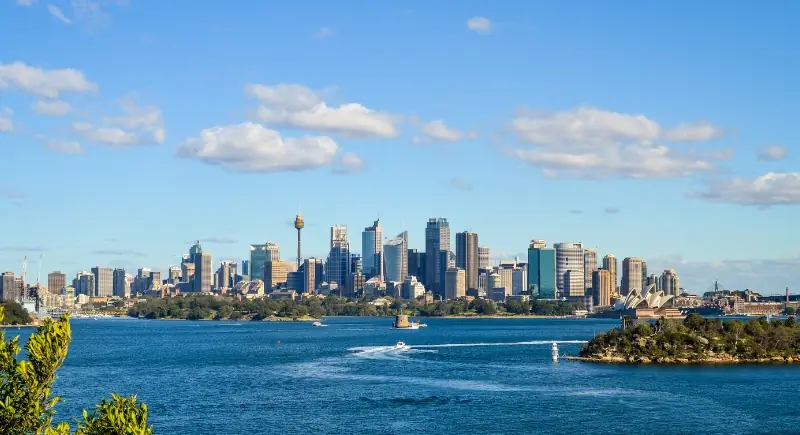
You’d think close allies might get a free pass, but not this time. Despite its close alliance with the U.S., Australia was subjected to a 25% tariff on steel and aluminum. The Australian government expressed disappointment and sought to resolve the issue through diplomatic channels.
Nigeria
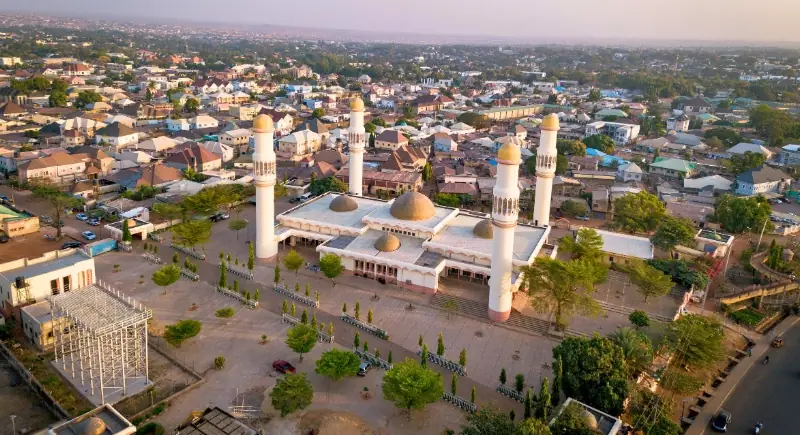
Nigeria’s oil exports, already subject to the whims of global prices, were now looking at a 14% tariff. More troubling was the potential unraveling of benefits tied to AGOA, a U.S. trade program for African nations. Nigeria began exploring new markets after realizing that overreliance on any single trade partner can be risky business.
Brazil
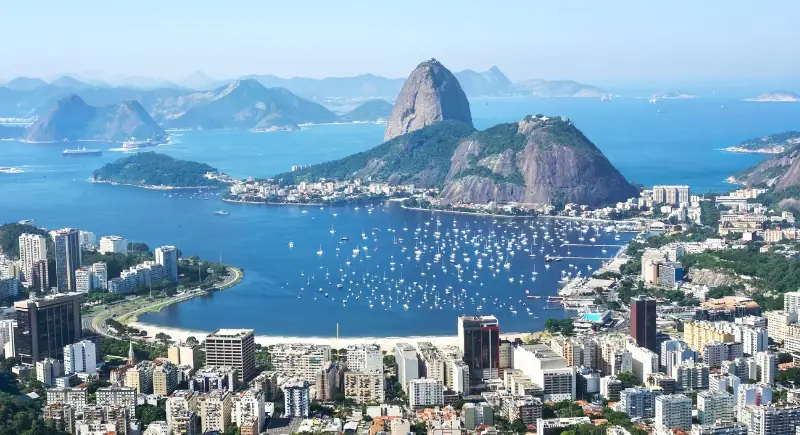
The tariffs were a mixed bag for Brazil. A 11.2% average hit on exports like steel and coffee stung some sectors, while others saw new opportunities as supply chains shifted. Still, the uncertainty wasn’t good for long-term planning. Investors became skittish, and trade officials scrambled to understand where Brazil stood in the new pecking order.
Colombia
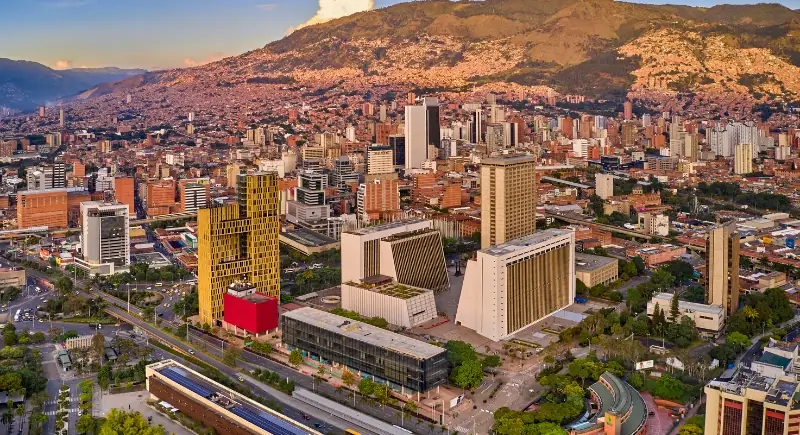
Colombia was hit with a 25% tariff following a diplomatic dispute over deportation flights. The tariffs were lifted, and the issues got resolved quickly after Colombia agreed to U.S. demands, but the incident left Colombia questioning the stability of its trade relationship with the U.S.
Turkey

Turkey was hit hard when the U.S. doubled steel tariffs to 50 percent in 2018, with aluminum duties rising to 20 percent. That landed during a currency slide, so the pain felt bigger than one trade fight. Turkish exporters took the blow, and Ankara answered with tariffs on U.S. goods.
Taiwan
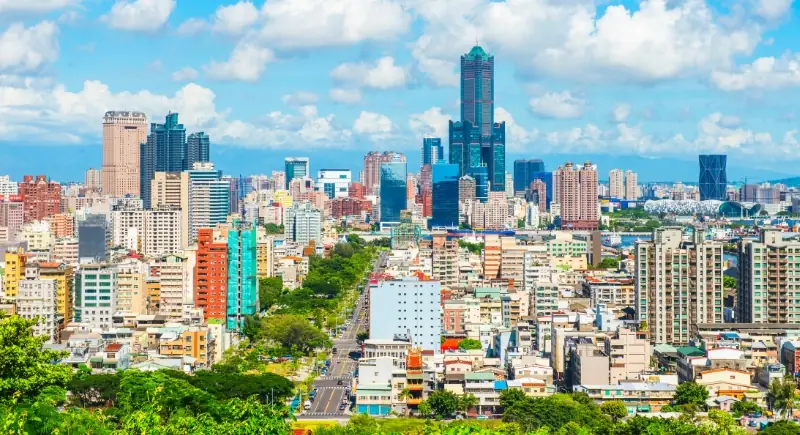
Taiwan’s tariff trouble came with a tech twist. In 2025, U.S. reciprocal tariffs put many Taiwanese exports under pressure, though key chip shipments drew special attention because Taiwan dominates advanced semiconductor manufacturing. A later U.S.-Taiwan deal set most Taiwanese exports at 15 percent, keeping the relationship tense but too valuable to break.