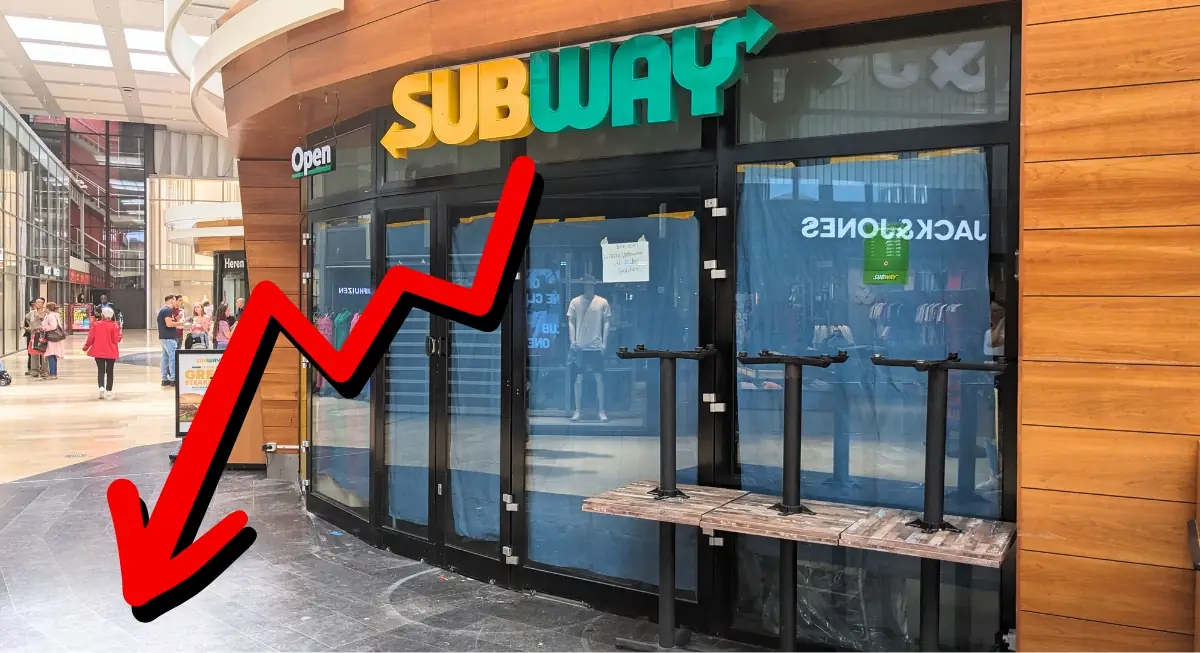
Subway was once the unstoppable sandwich shop that seemed to be on every corner, but the shine wore off fast. Over the last two decades, it’s made a string of business missteps that could be dragging the brand down faster than its toasted buns. This is a breakdown of the major blunders.
Putting Jared Fogle on a Pedestal
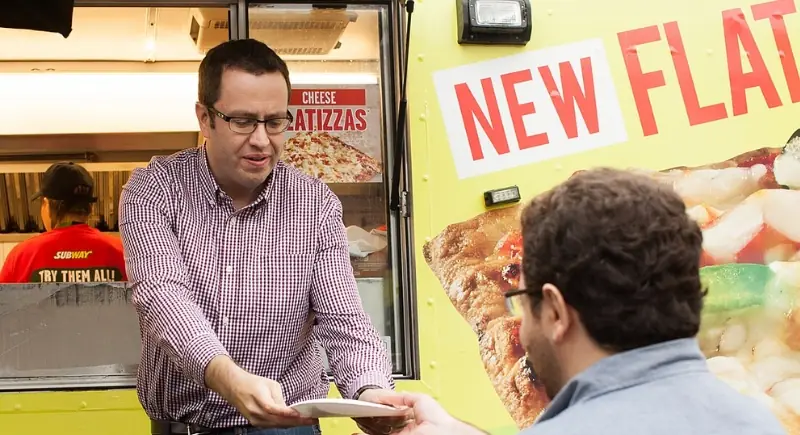
Subway hitched its brand to Jared Fogle, whose claim to fame was losing 245 pounds eating their sandwiches. After his arrest and conviction for crimes involving minors, Subway’s weak response was a single Facebook post. They failed to denounce him strongly or repair the damage he left behind.
Failure to Act Quickly
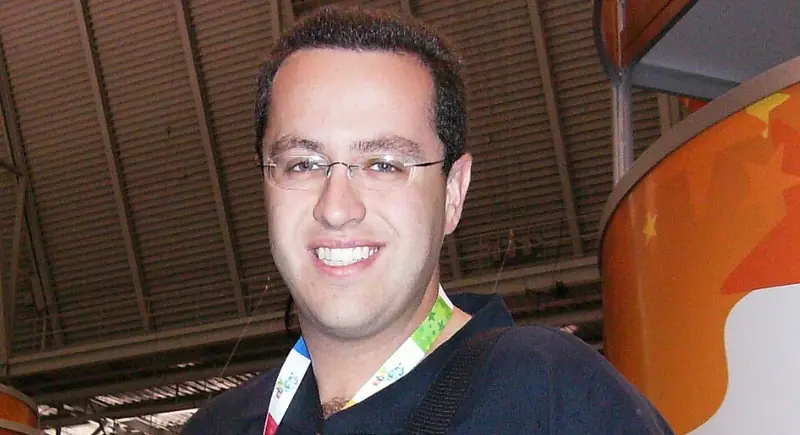
Speaking of Jared Fogle, to matters worse, internal reports later suggested Subway had received troubling complaints about Fogle years prior, but failed to act. The combination of silence, detachment, and apparent prior knowledge left a deeper stain on the brand that still lingers today.
Over-Saturating the Market With Locations
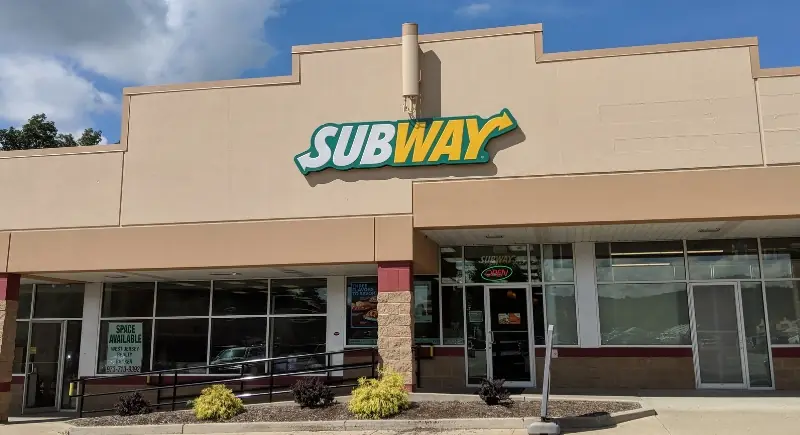
According to Business Insider, in 2015, Subway had 44,000 global locations, more than McDonald’s. Their growth strategy required franchisees to open stores in close proximity, which led to market cannibalization and declining profits. Too many shops meant everyone was losing, especially loyal operators caught in a losing game.
Ignoring Menu Innovation
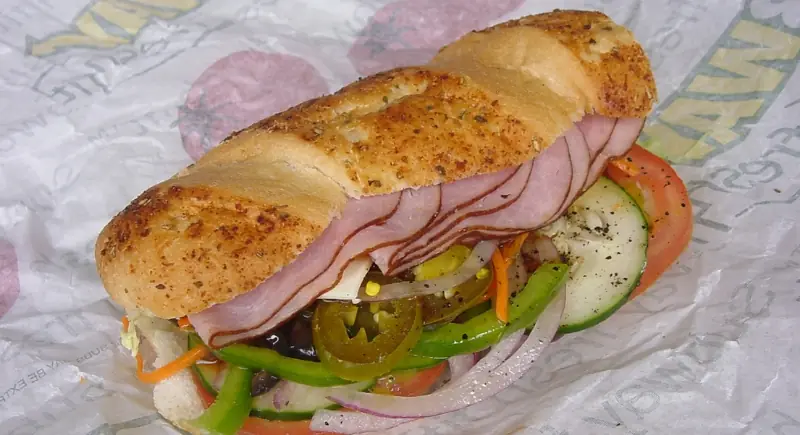
The establishment’s core items, such as cold cuts and sweet onion sauce, remained largely unchanged from the 1990s to the 2010s, even while the market shifted toward organic ingredients and ethical sourcing. This stagnation was a key factor in their 2014 sales drop.
Lagging Behind on Drive-Thrus
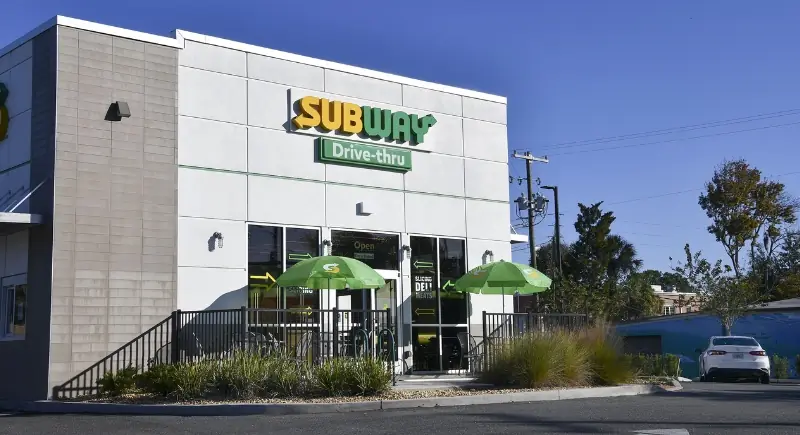
By 2017, only 10 percent of Subway’s U.S. stores had drive-thrus, which meant the brand had made itself hard to access. Touchscreen drive-thru kiosks could’ve been a hit, but Subway let the opportunity slide while competitors moved faster.
Falling Short With the $5 Footlong Fiasco
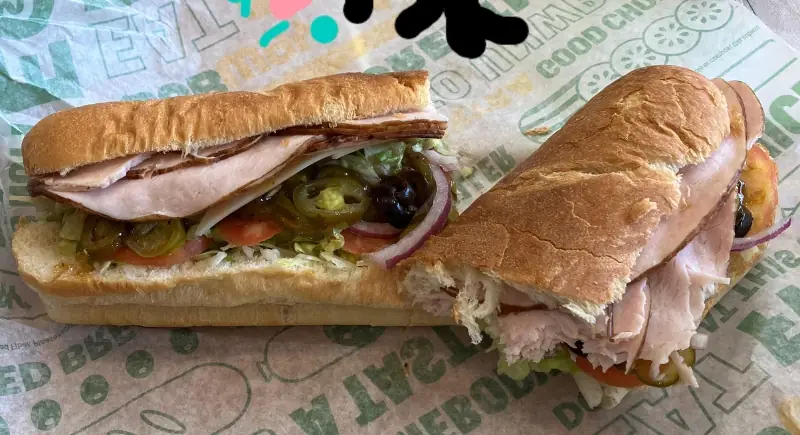
The $5 footlong, launched in 2007, was wildly successful but eventually became a nightmare. Subway raised the price to $6 in 2016, which sparked backlash, then reintroduced a $4.99 promo in 2018 that most franchisees weren’t required to honor.
Messy Leadership Transitions
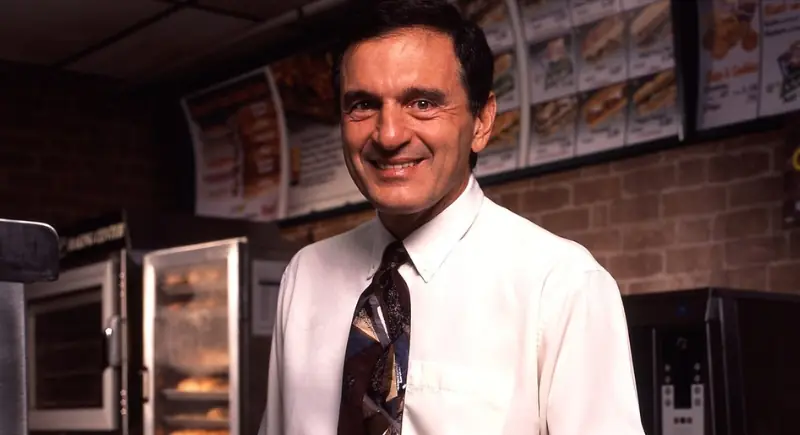
Fred DeLuca’s 2015 passing left the brand with no clear succession plan. His widow, business partner, and sister (who eventually became CEO) all had different visions for the company. The leadership confusion occurred at the worst possible time, and as a result, Subway closed hundreds of stores.
Falling Behind on Meat Standards
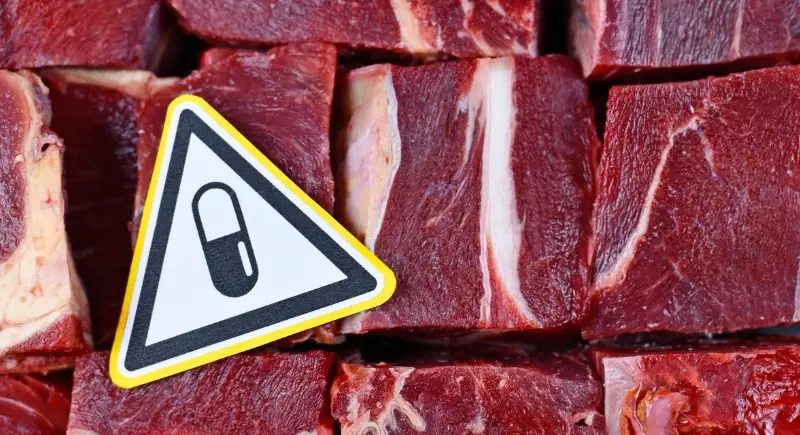
Chains like Chipotle and Panera started serving antibiotic-free meats while Subway lagged. The chain’s slow response to meat quality trends hurt its image, and customers began to associate Subway with highly processed, lower-quality protein. It’s not exactly a good look for a brand that once sold “fresh.”
The 11-Inch Footlong Scandal
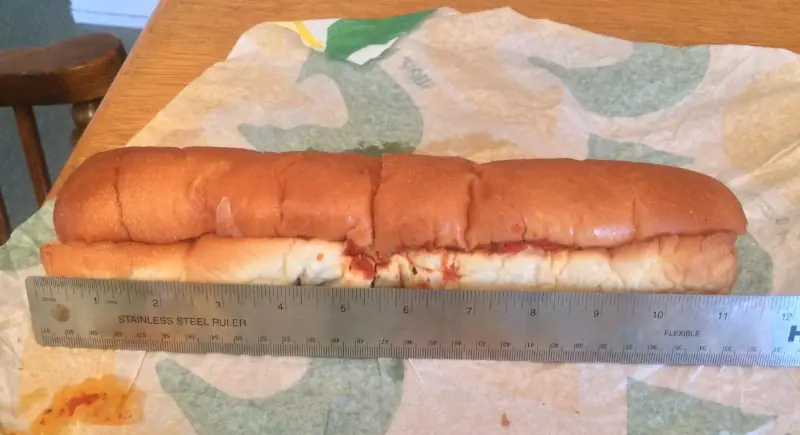
A 2013 lawsuit claimed Subway’s footlongs weren’t always 12 inches, and Fox News reported a settlement was reached. Although Forbes later showed most sandwiches were indeed a foot long, the damage stuck. Customers remembered the lawsuit, not the clarification, and the brand’s trust suffered a hit.
Failure to Build Emotional Loyalty
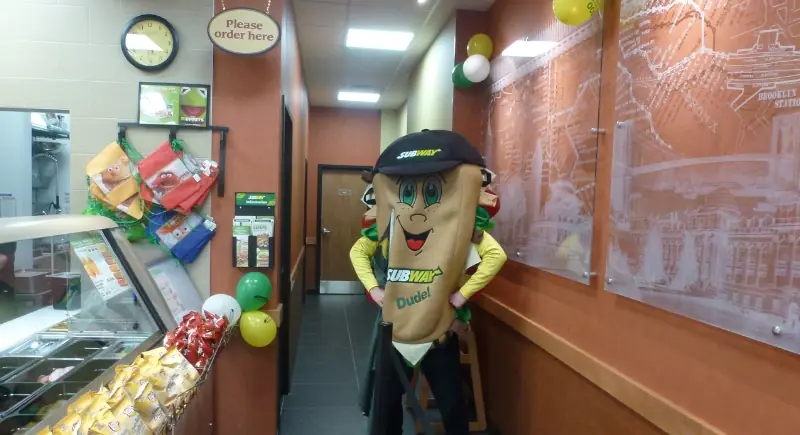
Subway never forged emotional ties with customers the way McDonald’s did through toys, birthdays, and nostalgia. Without that bond, the fast food chain’s customer base proved easier to lose when fresher, trendier options came along.
Disastrous Ad Campaigns

Subway ran a 2014 ad suggesting that women eat low-calorie subs to fit into their Halloween costumes. Then, in 2018, an ad mocking McDonald’s flatlined its narrator mid-sentence. What followed was widespread offense and Subway’s awkward, half-hearted apologies on social media.
A Loyalty Program that Took Forever
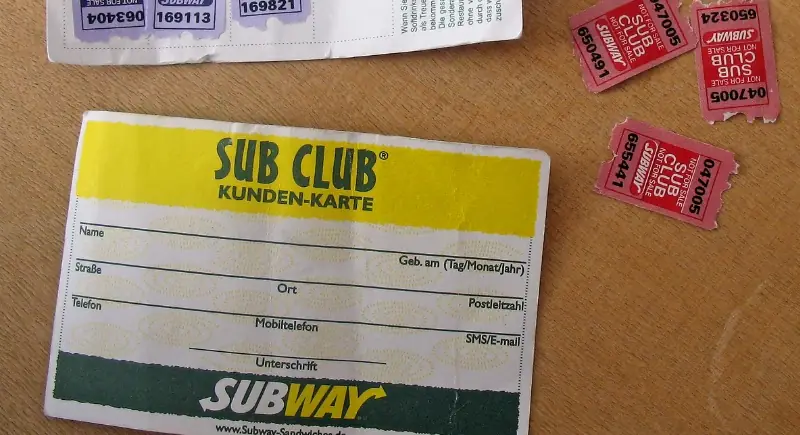
After canceling its “Sub Club” card in 2005, Subway fumbled a replacement for over a decade. Even in 2017, The Wise Marketer said delays were ongoing. Once launched, QSR reported mixed results. New customers showed up, but long-time fans stayed away, unimpressed by the lackluster perks.
Misreading the Market’s Budget Shift

Subway aimed at budget-conscious eaters but lost out when those customers either chose better-quality fast casual or simply made sandwiches at home. The target audience simply didn’t find the establishment’s products appealing enough anymore.
Too Slow to Fix Store Quality
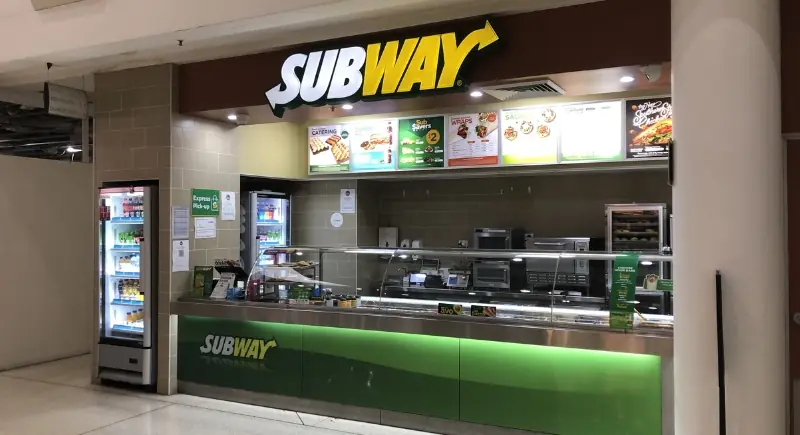
Subway franchises vary wildly in cleanliness, service, and food prep. Without consistent quality checks, a bad experience at one location can damage the entire brand. This inconsistency is a major reason for customer attrition and the growing disinterest in choosing Subway over newer alternatives.
Tanking Sales Despite High Store Count
In 2014, Subway saw the steepest sales decline among fast food chains. It’s a rare combo: more stores but fewer customers. The chain had confused market saturation with popularity, and by the time leadership noticed, people were already heading to more exciting and relevant sandwich shops.
The “$5 Footlong” Trademark Disputes
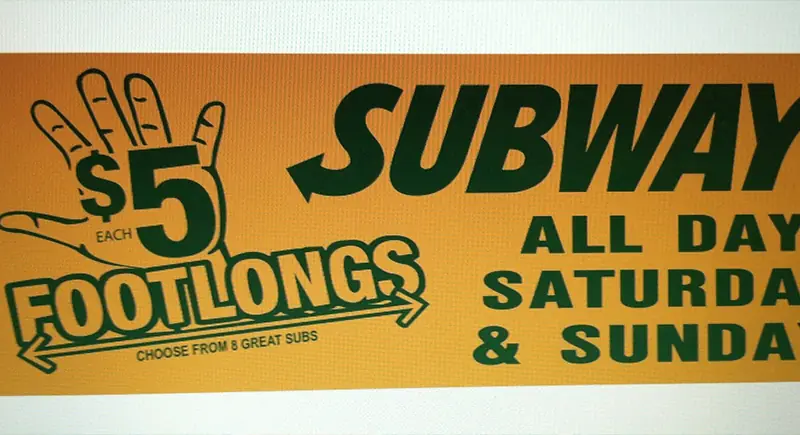
The “$5 Footlong” campaign packed stores and lodged itself in people’s heads. Then came the problem. The promotion became so popular that many customers expected similar pricing long after operating costs increased. Subway spent years dealing with trademark fights and price expectations that no longer matched the reality behind the counter.
Slow Adoption of Mobile Ordering and Delivery
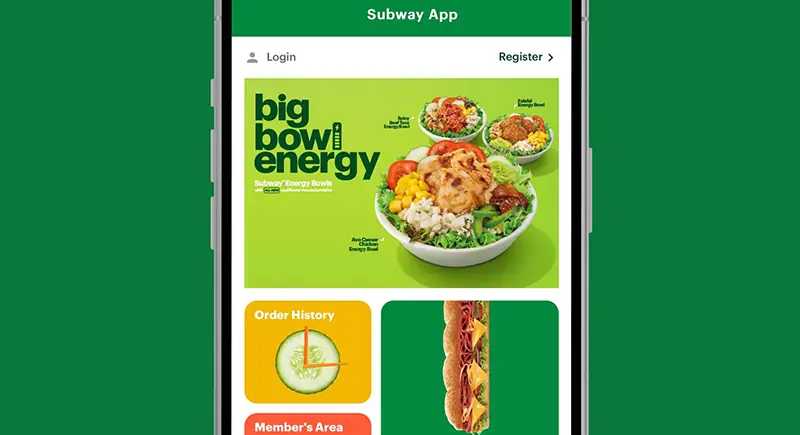
Lunch habits changed. Fast. Customers tapped screens, tracked drivers, and expected food to show up at the door. Subway expanded mobile ordering and delivery later than some major competitors that had already invested heavily in digital ordering. While competitors were rapidly expanding digital ordering and delivery, Subway was still working to scale those services.