Some products show up everywhere, but they can only be made in one specific place. In these cases, the name is not just a label. It is legally tied to a region, and producers outside that area cannot use it. The land, climate, and local methods shape the final result, and the law protects that connection so the product cannot be copied elsewhere.
Cowichan Sweaters
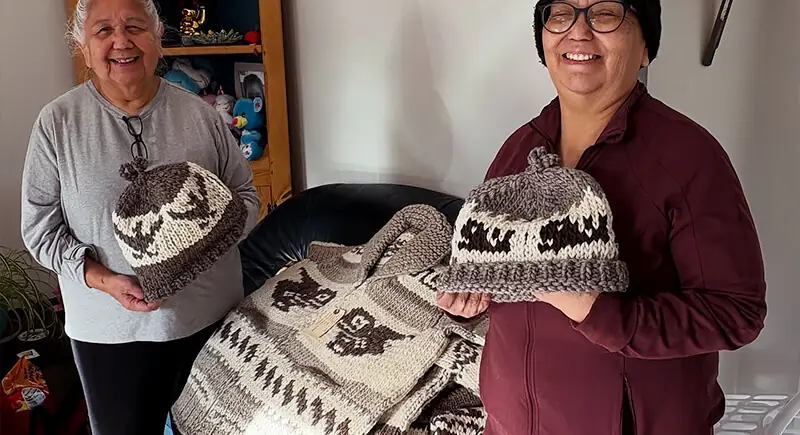
On Canada’s west coast, Cowichan sweaters trace back to Indigenous knitters who adapted Scottish techniques introduced in the 19th century. Before knitting took hold, Coast Salish communities wove garments from mountain goat hair. Today’s sweaters use thick, untreated wool that keeps its lanolin, which helps repel rain. Their graphic patterns drew international attention at the 1893 Chicago World’s Fair.
Vidalia Onions
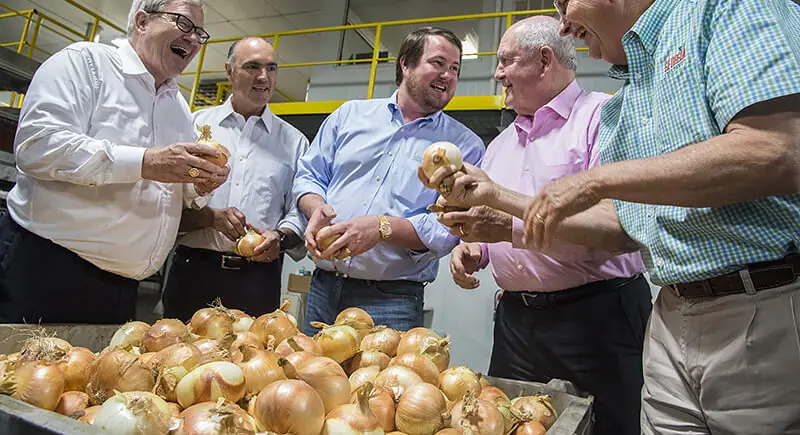
In 1931, Georgia farmer Mose Coleman planted onions and ended up with a crop that tasted noticeably sweet instead of sharp. The sandy, low-sulfur soil in that part of Georgia naturally reduces the bite most onions have. As demand grew, the name became protected. By the 1980s, state law limited the “Vidalia” label to onions grown in 13 specific counties and parts of seven others.
Cuban Cigars
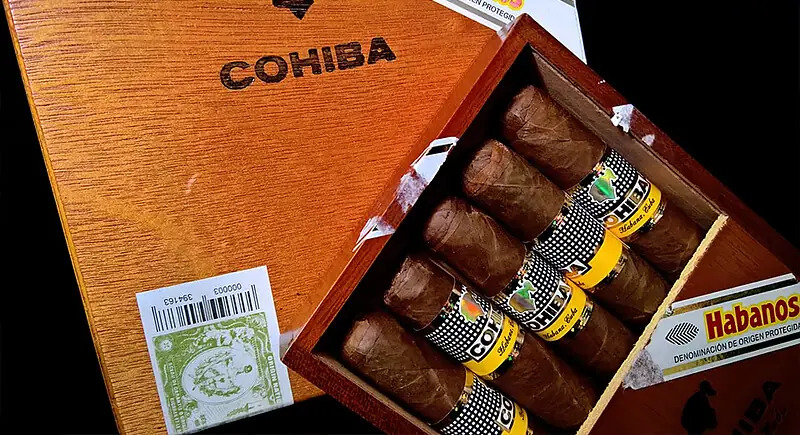
Hand-rolling remains central to Cuban cigar production. Skilled torcedoras shape each cigar with carefully selected tobacco leaves and a touch of vegetable gum to hold everything together. The island’s mineral-rich soil and humid climate affect the crop’s character. Before the U.S. embargo began, President John F. Kennedy secured 1,200 Petit Upmann cigars for himself.
Roquefort Cheese
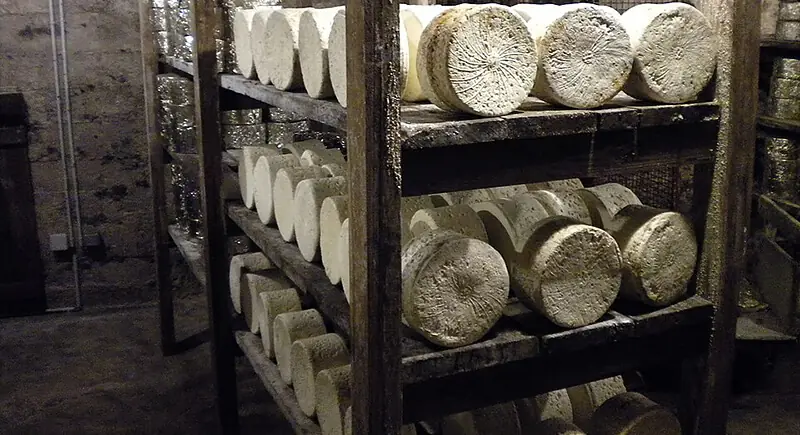
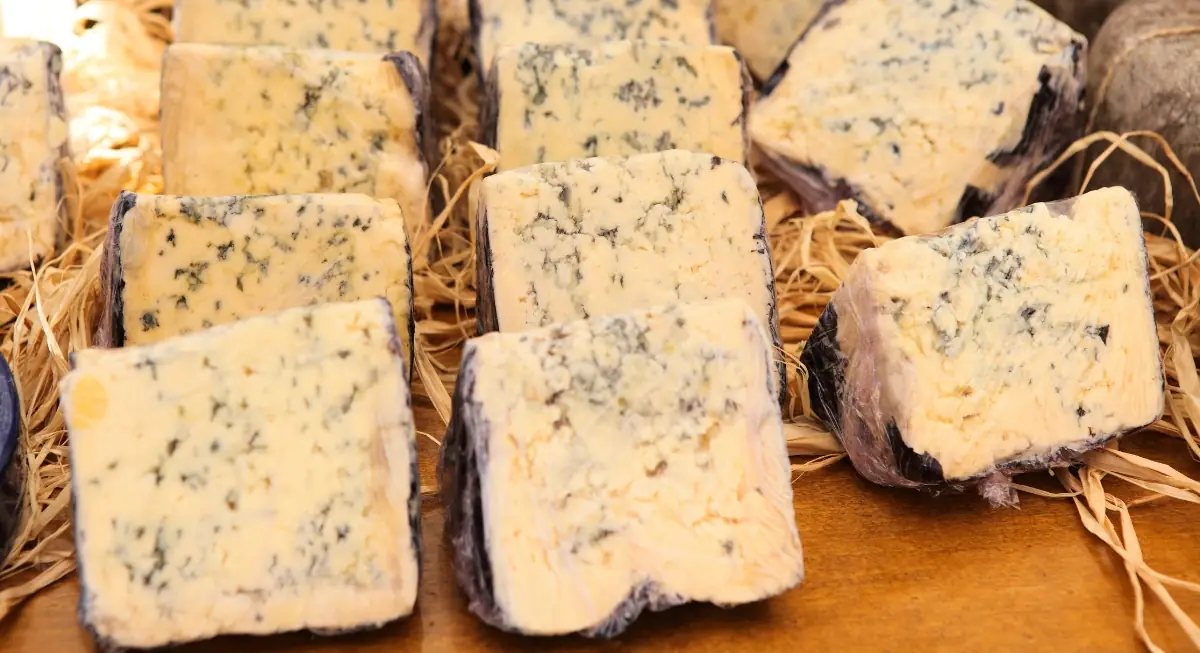
True Roquefort matures in the limestone caves beneath Mount Combalou in southern France. French law requires the cheese to age in those caves in Roquefort-sur-Soulzon, where natural airflow creates stable humidity. The blue veins develop from Penicillium roqueforti, which thrives in that environment. A red sheep emblem on the packaging confirms the cheese met those strict standards.
Newcastle Brown Ale
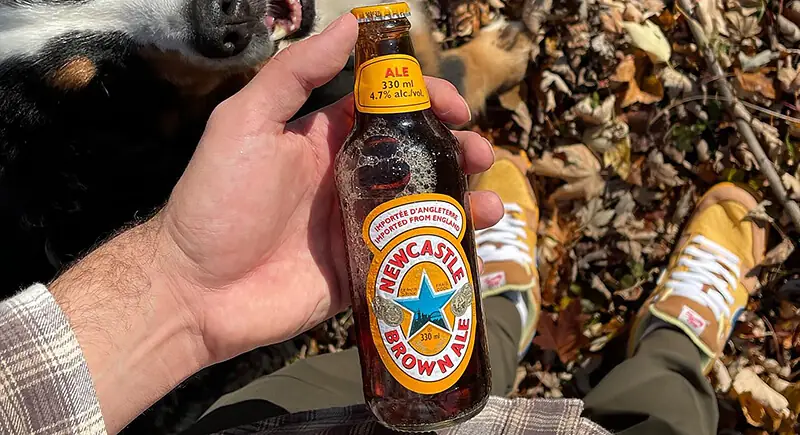
For decades, drinkers associated Newcastle Brown Ale with its namesake city in northeast England. In 2000, the brand secured protected status linking production to Newcastle. Five years later, plans to move brewing across the River Tyne forced that designation to be revoked. Production eventually shifted to Tadcaster, nearly 100 miles away.
Kobe Beef
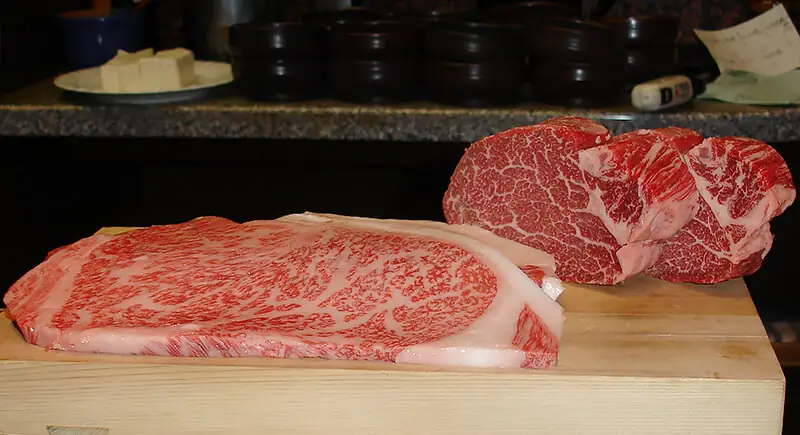
Hyogo prefecture sets the rules for what qualifies as Kobe beef. Tajima cattle raised there must be processed in a Hyogo slaughterhouse and meet strict marbling standards to earn the designation. Only about half pass inspection. Each approved cut receives a 10-digit identification number that allows buyers to trace it back to an individual Tajima-gyu animal.