The apps you use every day feel smooth and obvious now, but most of them did not start that way. In the beginning, many were small side projects, rough prototypes, or ideas aimed at the wrong audience. Some barely gained attention at all.
What made the difference was not magic. The founders paid attention to how people actually used the product and adjusted. When you look at their early versions, you see that success usually comes from refining the idea, not getting it perfect the first time.
YouTube Wasn’t Meant To Be A Video Library
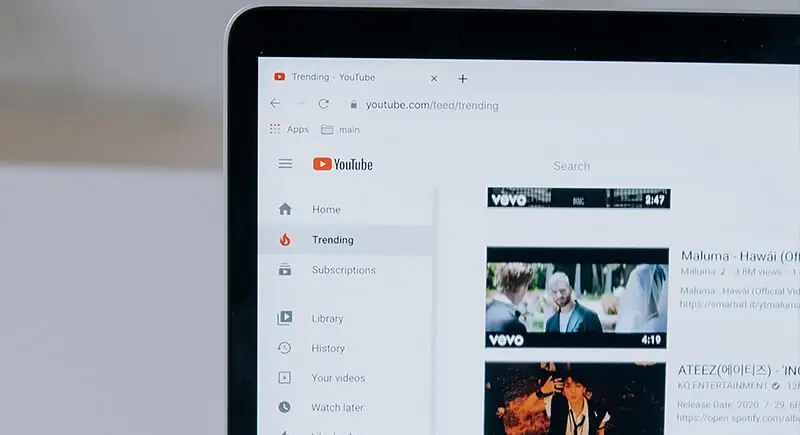
The original pitch for YouTube centered on video dating. Profiles, introductions, and personal clips were supposed to drive matchmaking. Very few people participated. Instead, users uploaded random footage, comedy, and commentary. The platform expanded in response and reshaped itself around what strangers chose to share.
A Broken Rice Cooker Forced Sony To Rethink

Before Sony became known for electronics, it released an electric rice cooker that failed to cook rice consistently. The wooden tub design often resulted in burned or undercooked meals. The setback pushed founders Masaru Ibuka and Akio Morita to abandon the idea and turn to communications equipment, eventually leading to Japan’s first tape recorder.
Netflix Didn’t Start With Streaming In Mind
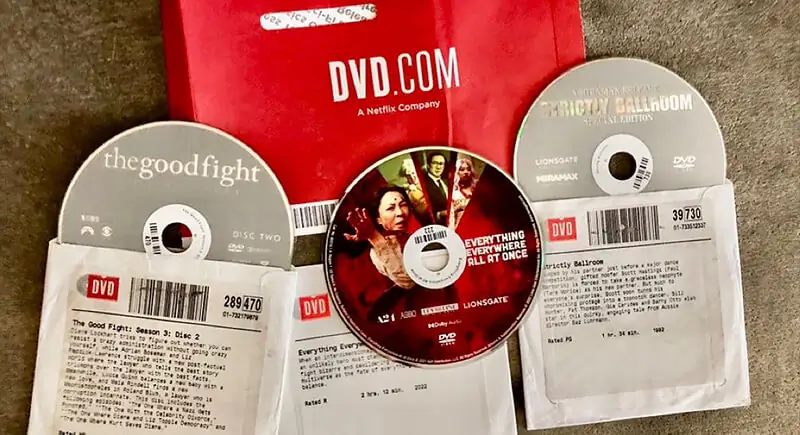
Netflix launched in 1997 as a DVD-by-mail rental company. Customers ordered discs online and paid per rental, much like a traditional video store without a storefront. In 1999, the company introduced a flat monthly subscription with no late fees. That pricing shift stabilized the business years before streaming was introduced.
Instagram Nearly Collapsed Under Its Own Features
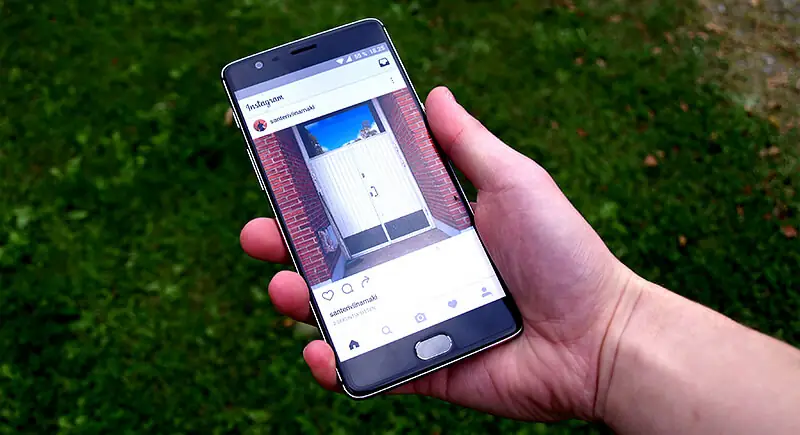
Instagram started as Burbn, a crowded check-in platform packed with plans, locations, and social features. Users ignored most of it. Founders Kevin Systrom and Mike Krieger cut it back to the basics: photos, simple filters, likes, and comments. That decision to simplify drove its rapid growth in 2010
Amazon Was Built Around One Practical Constraint

When Jeff Bezos launched Amazon in 1995, he chose to sell books because they were easy to source, simple to ship, and available in large numbers. The company concentrated on mastering logistics within that single category. The broader plan to sell everything developed after the model proved sustainable.
Facebook Was Designed For One Campus
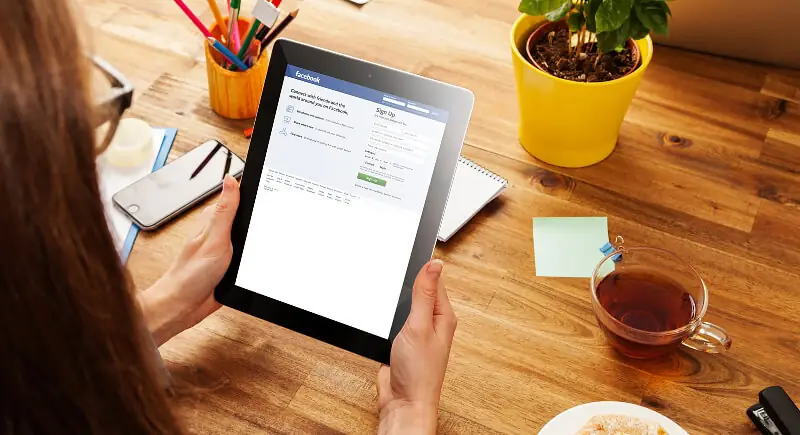
The first version of Facebook launched as Thefacebook in February 2004 and was limited to students at Harvard University. It functioned like a digital campus directory, with profiles tied to real names. Access to other universities came later. The global platform people know today grew step by step from that single-campus start.
Samsung Was A Grocery Export Business
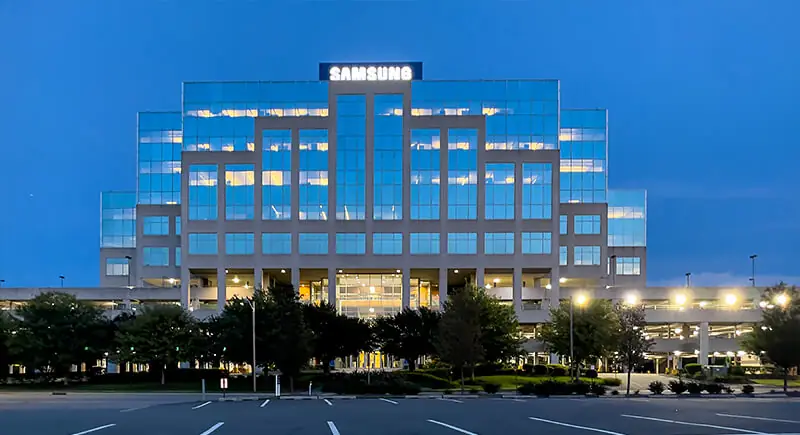
Samsung started in 1938 as Samsung Sanghoe, a trading company founded by Lee Byung-chull. Its early business focused on exporting dried fish, vegetables, and noodles to China. Electronics became part of the company’s operations decades later, after steady expansion into other industries.
Nintendo Sold Playing Cards For Decades
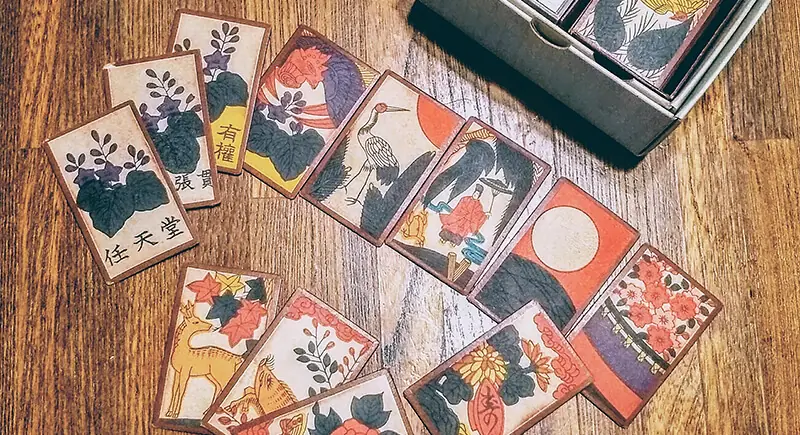
Nintendo traces its history to 1889 in Kyoto, where Fusajiro Yamauchi produced handmade Hanafuda cards. Western-style decks followed in 1902, and plastic cards in 1953. Electronic entertainment did not enter the picture until much later, which marked one of the sharpest industry pivots in corporate history.
Nokia Began In A Paper Mill
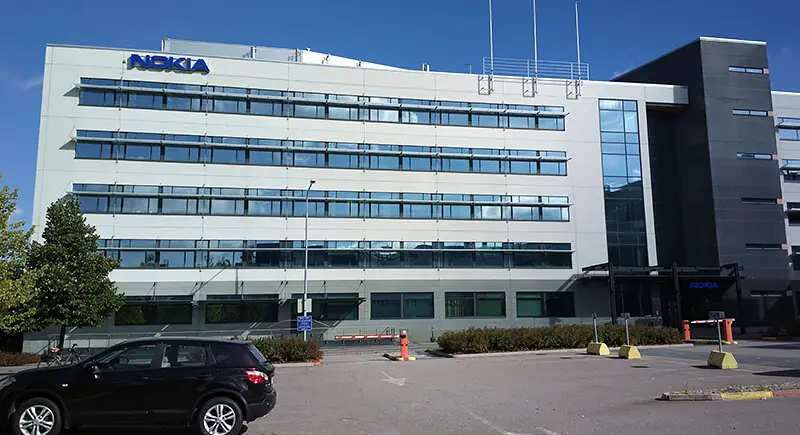
Nokia’s story started in 1865 when Fredrik Idestam opened a wood pulp mill in Finland. The business later moved into rubber goods and industrial cables. Nokia Corporation was formed in 1967, and mobile phones entered the picture much later as the company shifted toward telecommunications.
Shopify Was Born Out Of Frustration

In 2004, the founders launched Snowdevil, an online snowboard shop. Available e-commerce tools did not meet their needs, so Tobias Lütke built a custom system using Ruby on Rails. That internal software proved more powerful than the store itself and later became the foundation of Shopify.