In the late 1990s, one of the most infamous deal mishaps in business history unfolded in boardrooms across Germany and the United Kingdom. A seemingly clean win quickly turned into a strange standoff where factories and brand names were owned by different companies. The result reshaped two luxury carmakers and became a warning story still used decades later.
The Bidding War
In June 1998, Volkswagen outbid BMW to buy Rolls-Royce Motor Cars from Vickers for $790 million. The deal ended a tense contest between two German rivals chasing the same luxury prize. Headlines at the time framed the result as a decisive win for Volkswagen.
Why BMW Was the Favorite
Before the sale, BMW already supplied engines to Rolls-Royce and Bentley. That relationship provided BMW with inside familiarity with the product and the factory. Many analysts expected BMW to close the deal based solely on that operational link.
The Celebration Came Early

Volkswagen executives celebrated immediately after the agreement was signed. Ferdinand Piëch, then chairman, was praised across Europe for expanding Volkswagen’s reach into the ultra-luxury car market. At that moment, the purchase looked complete and unquestionable.
The Missing Name
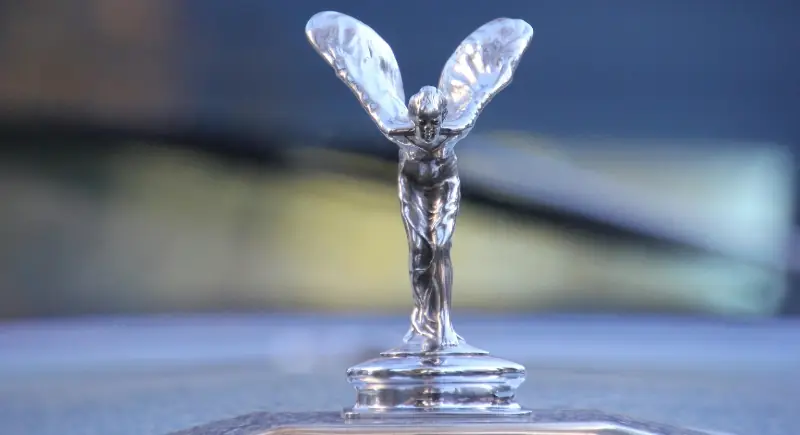
After closing, Volkswagen’s legal team discovered the Rolls-Royce name and logo were never part of the sale. Those rights were owned by Rolls-Royce plc, the aerospace company, which had been separate from the car business for decades. The factory, tooling, and staff came with the deal, but the badge did not.
BMW’s Quiet Move

BMW approached Rolls-Royce directly and asked about the brand rights. The aerospace firm had an existing partnership with BMW and preferred that relationship; therefore, the name and logo were sold to BMW for approximately $65 million.
A Factory Without an Identity
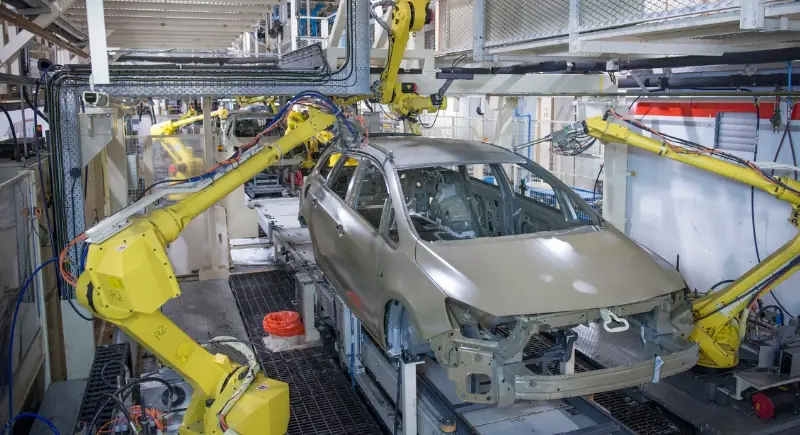
Suddenly, Volkswagen owned a luxury car operation that could not legally use the Rolls-Royce name. Production could continue only for a limited time under temporary agreements, while the situation left customers confused and investors unsettled as they watched the drama unfold.
The Engine Leverage
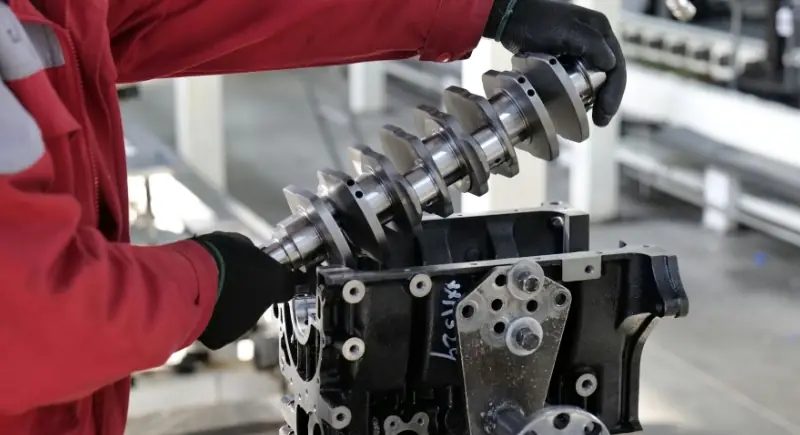
BMW continued to supply engines to the Crewe factory even after losing the bidding war. With brand rights secured, BMW threatened to stop engine deliveries. A shutdown would have halted production almost immediately.
The Forced Negotiation
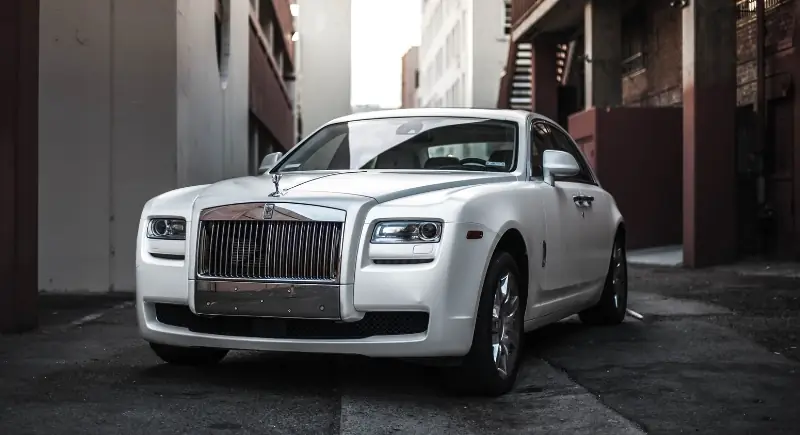
Volkswagen had no quick alternative powertrain ready for Rolls-Royce vehicles. Developing one would have taken years and risked damaging customer confidence. Negotiations became unavoidable once the supply risk became real.
The Gentleman’s Agreement
Both companies reached a settlement that split the assets cleanly. Volkswagen retained control of the Crewe factory and Bentley. Meanwhile, BMW received exclusive rights to build Rolls-Royce cars starting in 2003.
Two Winners, One Lesson
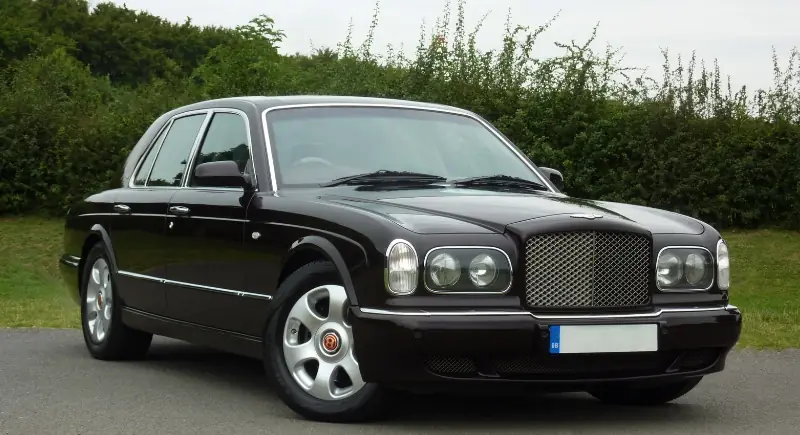
After building a new headquarters in Goodwood, BMW launched the Phantom under its own stewardship. As for Volkswagen, it transformed Bentley into a global success from the same factory it had originally acquired for Rolls-Royce. The deal remains famous because a $65 million name carried more long-term power than $790 million in machinery.