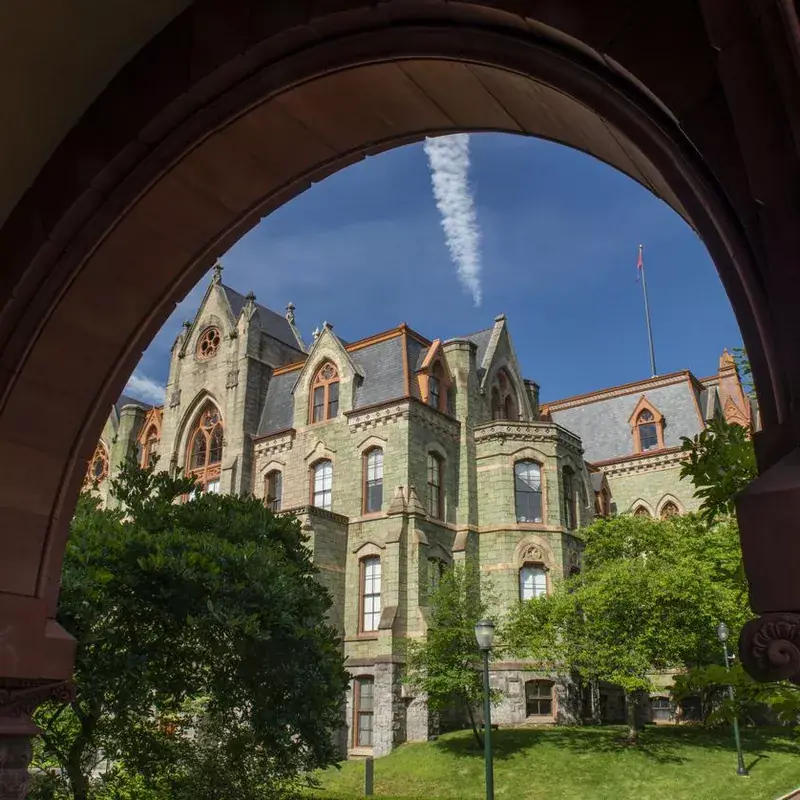
There is one educational institution we can point to where we know minds are cultivated in hopes that one day they could be the key to saving millions of lives — and that’s the medical school.
Medical schools are where we train our future doctors. The people we turn to in our most desperate moments of need. When we’re having children. When we’re sick. When we want to live longer. And the very best medical schools make themselves almost impossible to get admitted to — for good reason — and produce medical professionals who make breakthroughs that have changed society as we know it for the better.
Here’s a ranking of the best medical schools in the U.S.
15. Mayo Clinic Alix School of Medicine
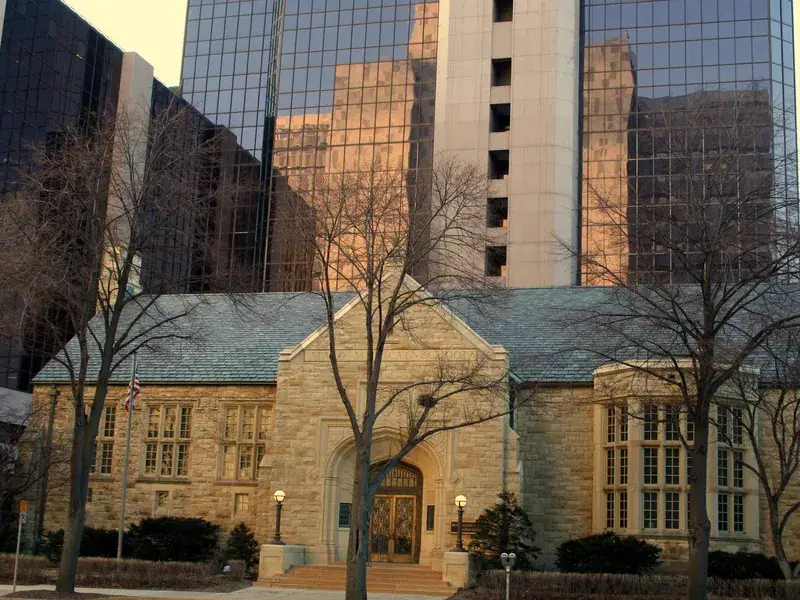
Location: Rochester, Minnesota Acceptance rate: 2.1% Tuition (yearly): $60,700 Note: Rankings include research-based medical schools in the U.S., using data from the 2023 U.S. News and World Report and aggregated acceptance rates.
Bottom Line: Mayo Clinic Alix School of Medicine
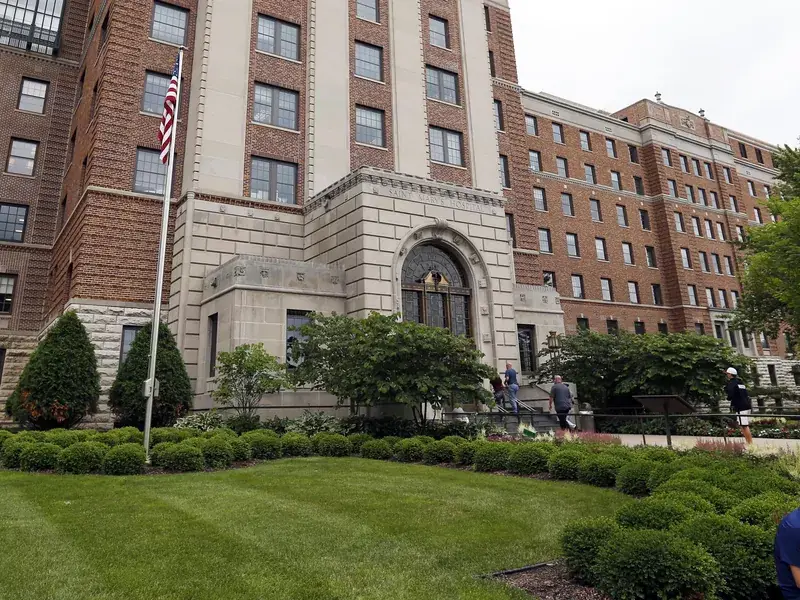
While the Alix School of Medicine — renamed after a $200 million donation from Jay Alix in 2018 — is the official “teaching arm” of the famous Mayo Clinic, there are also campuses in Phoenix, Arizona, and Jacksonville, Florida, where MD candidates can thrive. Established in 1972, the Mayo medical school is one of the newer programs to make this list and has several different traditions that separate it from other medical schools — namely that Mayo medical students wear business attire and not white coats to create an air of professionalism known as “Mayo wear.”
14. Cornell University (Weill)
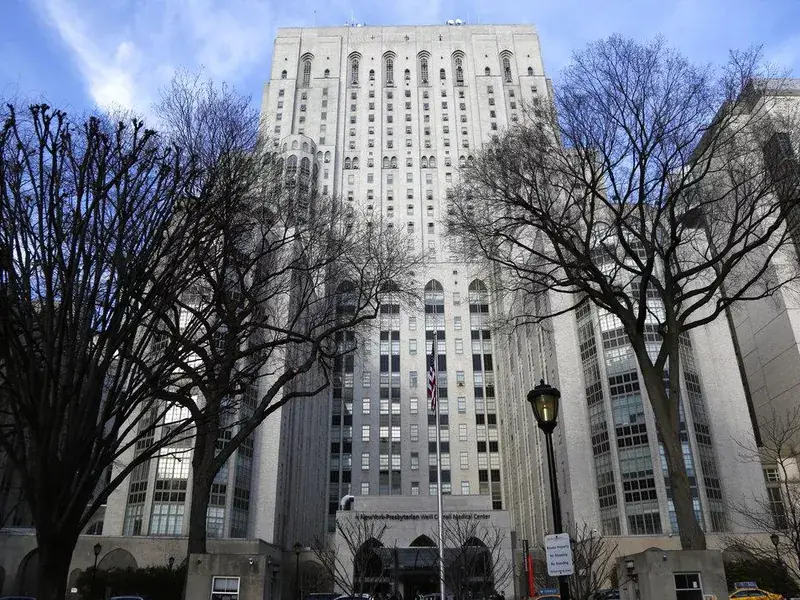
Location: New York, New York Acceptance rate: 1.6% Tuition (yearly): $62,650
Bottom Line: Cornell University (Weill)
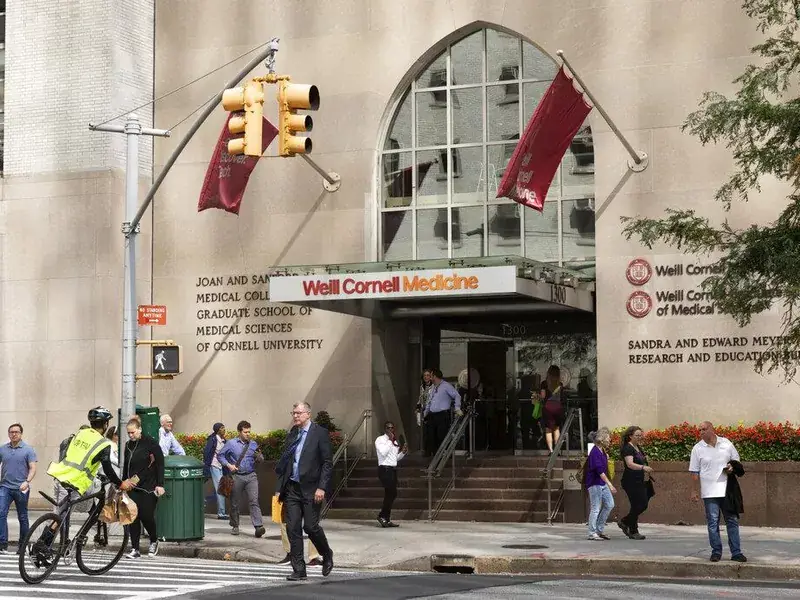
Cornell’s medical school was renamed Weill Cornell Medicine in the late 1990s after a large endowment from Citigroup Chairman Sanford Weill. In 2019, after a gift of $160 million from The Starr Foundation, all students who qualified for financial aid received their educations for free. Few medical schools can match Cornell for sheer star power among its grads. Dr. Ruth Westheimer — more commonly known as just Dr. Ruth — former U.S. Surgeon General C. Everett Koop (the guy with the weird beard), Dr. Robert Atkins (inventor of the Atkins Diet), Dr. Henry Heimlich (inventor of the Heimlich Maneuver) and Dr. Anthony Fauci all came from Cornell.
13. Vanderbilt University
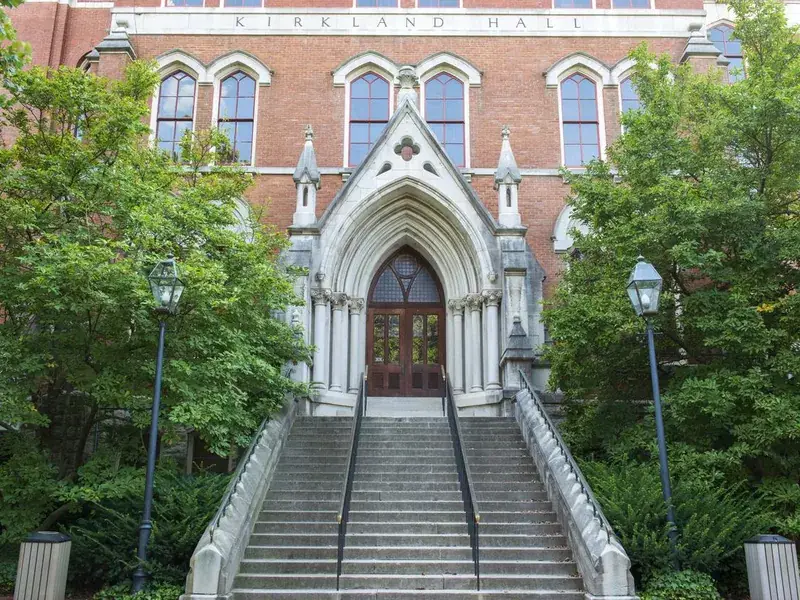
Location: Nashville, Tennessee Acceptance rate: 6.1 percent Tuition (yearly): $63,160
Bottom Line: Vanderbilt University
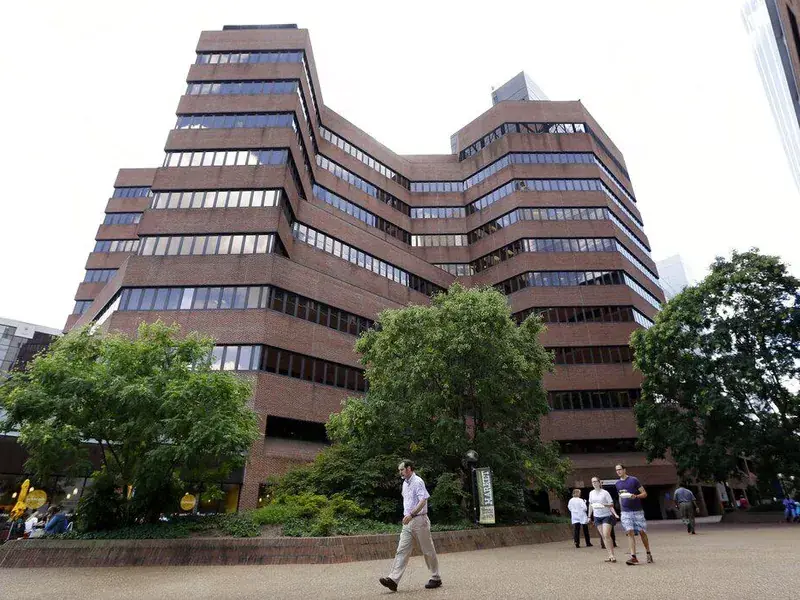
Tucked away on the southeastern side of campus, the Vanderbilt University School of Medicine was established in 1875. Located in the Vanderbilt University Medical Center, it’s one of the largest academic medical centers in the U.S. and reportedly serves over 2 million patients per year through its main hospital and affiliates. Few Vanderbilt grads can claim to have as big of an impact as Dr. James Tayloe Gwathney (Class of 1899), who is considered the “father of modern anesthesia” and co-authored the first comprehensive book on the subject. Among Dr. Gwathney’s key points of research was the use of anesthesia in treating war wounds and in obstetrics — how many millions of lives did his work benefit? In modern times, perhaps the most well-known Vanderbilt medical school grad has been Dr. Michael Burry — the guy Christian Bale played in the Academy Award-nominated film “The Big Short,” who made a ton of money predicting the subprime mortgage crisis in the late 2000s.
12. Washington University
Location: St. Louis, Missouri Acceptance rate: 2.1 percent Tuition (yearly): $65,000
Bottom Line: Washington University
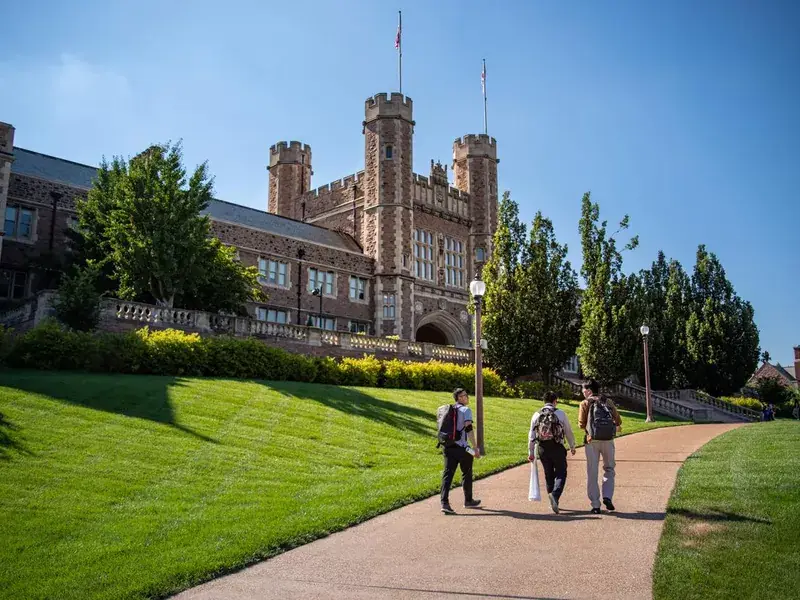
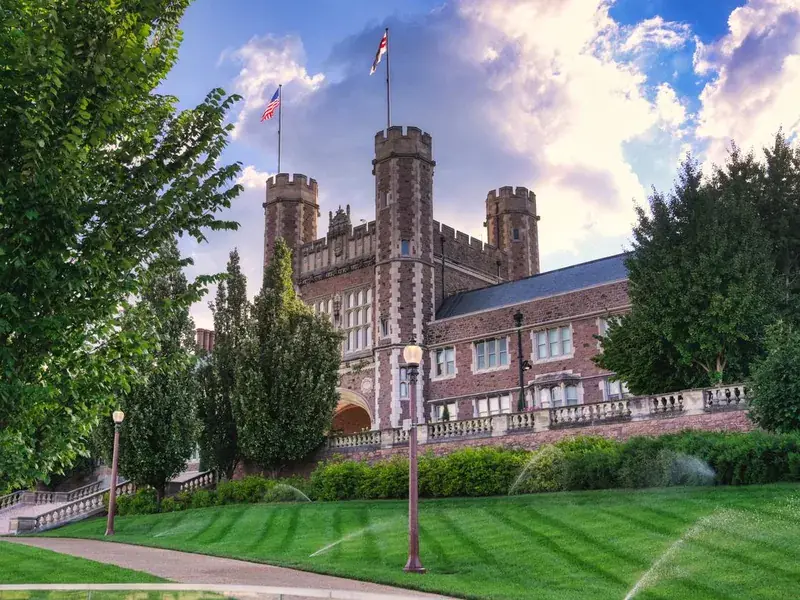
One of just two midwestern medical schools to make this list alongside the Mayo Clinic’s Alix School of Medicine, Washington University began teaching medicine in 1891 and went from regionally respected to nationally recognized after two groups of faculty members won Nobel Prizes in 1944 and 1947. In 2020, the medical school announced plans for an 11-story, 609,000-square-foot neuroscience research center on the east side of campus to the tune of $616 million.
11. Icahn School of Medicine at Mount Sinai
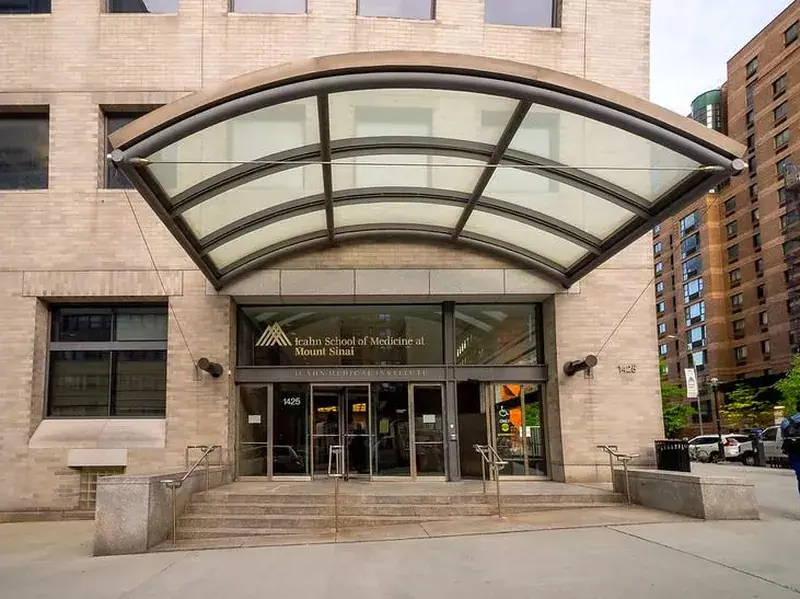
Location: New York, New York Acceptance rate: 1.6% Tuition (yearly): $58,685
Bottom Line: Icahn School of Medicine at Mount Sinai
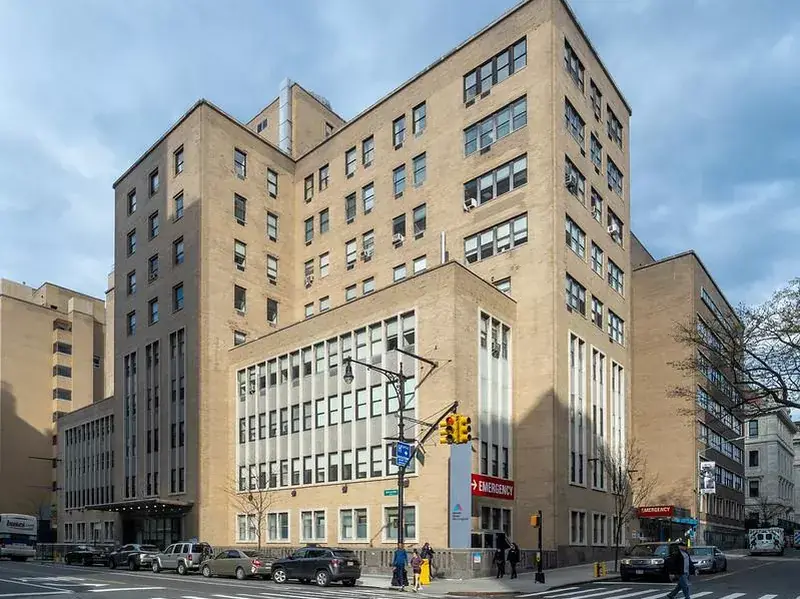
Formerly known as the Mount Sinai School of Medicine, this is a relative newcomer to the list, having opened in 1968, but it has made an enormous impact in the last 55 years. Mount Sinai was actually the first U.S. medical school to open a Department of Geriatrics in 1982. Notable among Mount Sinai grads are Dr. Jeffrey Flier, who served as dean for Harvard School of Medicine from 2007 to 2016, and Dr. Randall B. Griepp, who teamed up with Dr. Norman Shumway to develop the procedure for the first successful heart transplant in the U.S. That seems like kind of a big deal.
10. Yale University
Location: New Haven, Connecticut Acceptance rate: 4.8 percent Tuition (yearly): $66,160
Bottom Line: Yale University
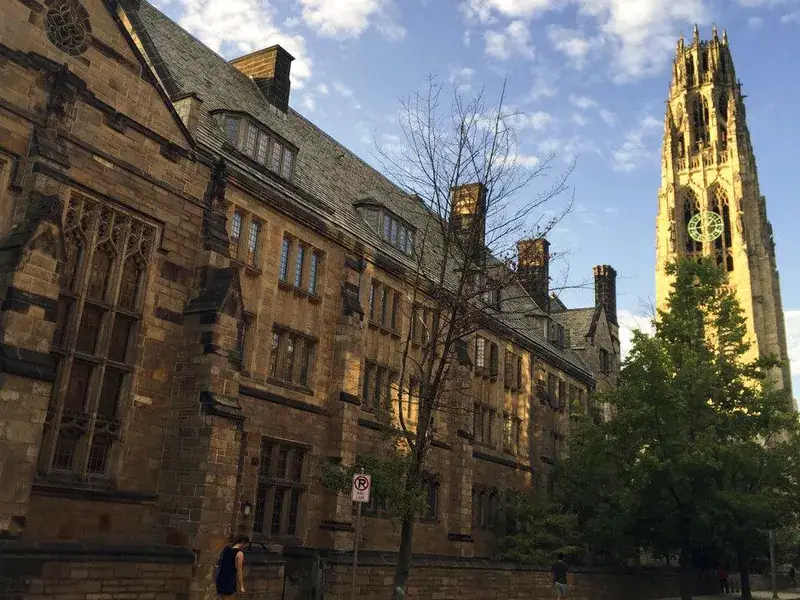
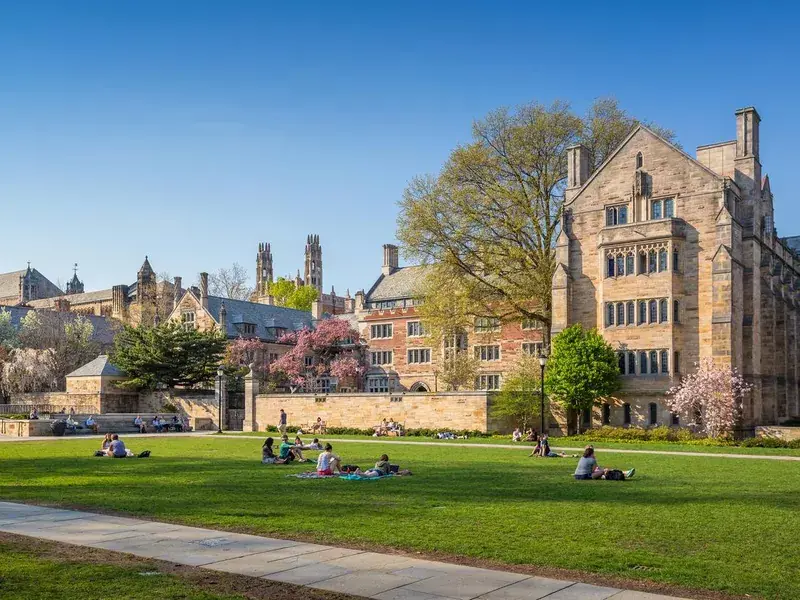
Only the very best make it to Yale for undergraduate degrees, and its medical school is no different — running you close to $70,000 per year. Speaking of money: One of the more wild heists of all time occurred at Yale’s medical school and came to light in 2021 when former lead administrator for the School of Medicine’s Department of Emergency Medicine Jamie Petrone-Codrington was arrested for stealing more than $40 million from Yale by purchasing and reselling computers and other electronic hardware beginning in 2013. Petrone-Codrington, who had spent over $20 million of the money when she was caught, was eventually sentenced to nine years in prison.
9. University of Washington
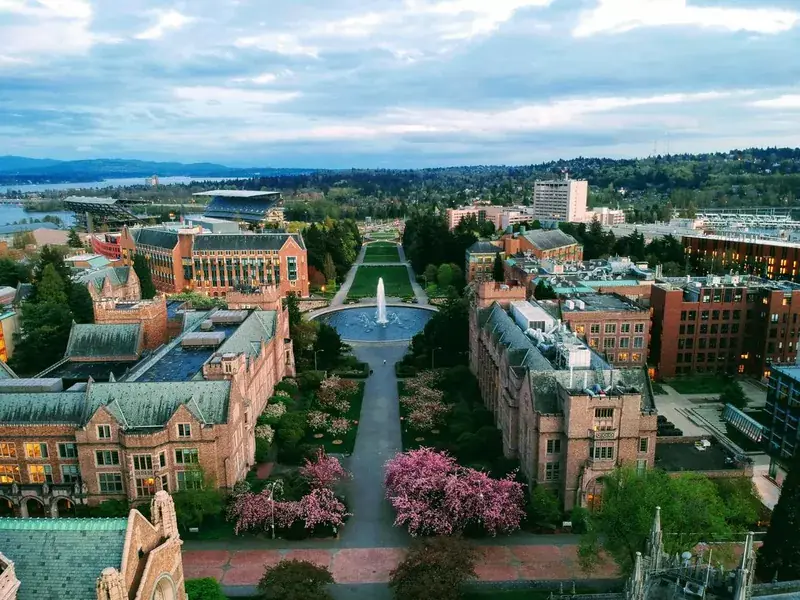
Location: Seattle, Washington Acceptance rate: 2.8 percent Tuition (yearly): $39,906 (in-state)
Bottom Line: University of Washington
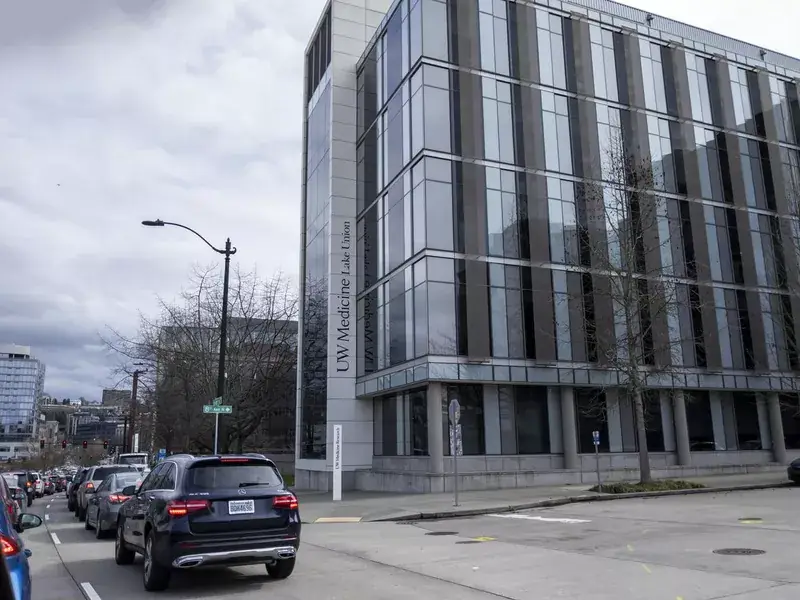
The University of Washington medical school has a unique partnership in place that has allowed it to thrive in some pretty cool ways. It’s the first public medical school in Washington, Wyoming, Alaska, Montana and Idaho (WWAMI). The WWAMI partnership allows first-year medical students from those states to study at their state universities before coming to Seattle and gives preference to candidates in the program. Washington’s medical school is also one of the top recipients of NIH grants in the country.
8. Stanford University
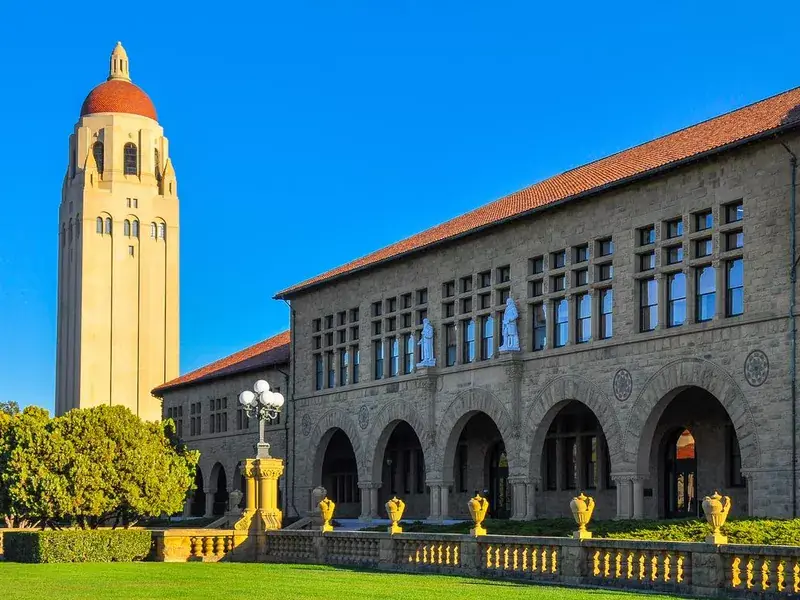
Location: Stanford, California Acceptance rate: 2.3 percent Tuition (yearly): $63,747
Bottom Line: Stanford University
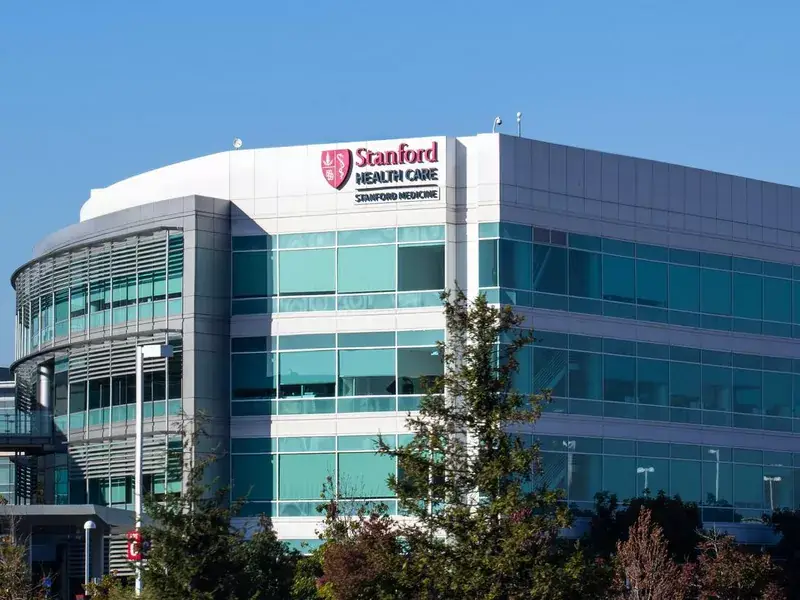
Stanford actually bought its medical school from another college. The University of Pacific’s Cooper Medical College opened in 1858, was purchased by Stanford in 1908 and then moved to the Palo Alto campus. In the last six decades, Stanford’s medical school has seen eight Nobel Prize winners among its faculty — in 2019 alone, it had four faculty members who’d received “genius” grants from the MacArthur Foundation. If you want to blow your friends away with some Stanford medical school trivia, Dr. Eric Heiden (Class of 1991) was behind one of the greatest individual Olympic performances of all time when he won five gold medals in speed skating at the 1980 Winter Olympics.
7. University of Pennsylvania
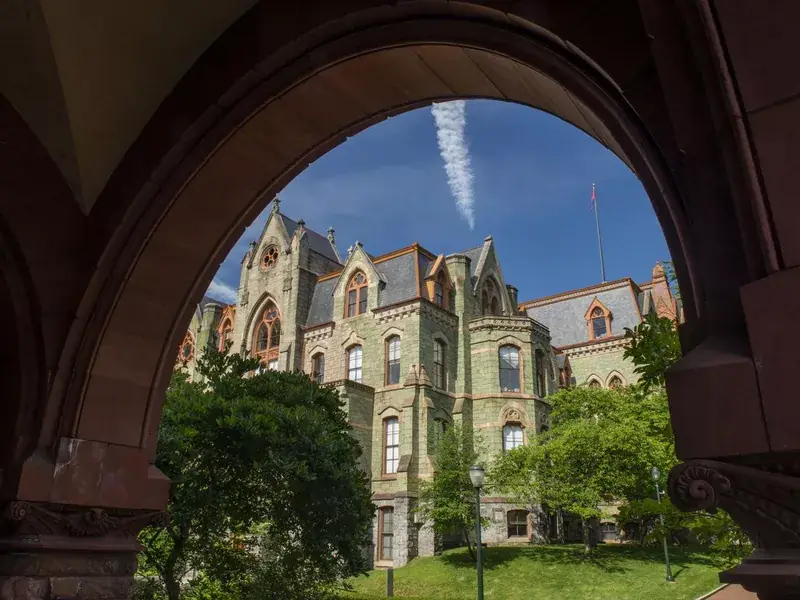
Location: Philadelphia, Pennsylvania Acceptance rate: 4 percent Tuition (yearly): $61,586
Bottom Line: University of Pennsylvania
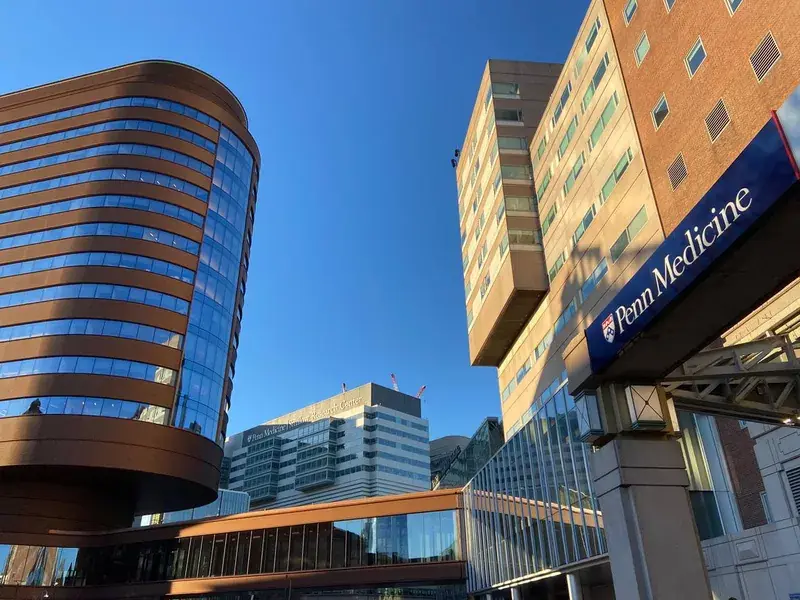
Commonly known as Penn Med, the University of Pennsylvania’s medical school was founded in 1765, making it the oldest medical school in the U.S. In 2011, the medical school was renamed the Perelman School of Medicine at the University of Pennsylvania after a $250 million gift from the Perelman family, representing the largest single gift to a medical school in U.S. history. Few Penn grads had the amount of success away from the medical profession before entering Penn Med as cardiologist Dr. Reggie Ho. He was a walk-on kicker at Notre Dame and became a star on the Irish’s 1988 national championship team, kicking four field goals in an upset win over Michigan that became known as “The Reggie Ho Game” in Notre Dame folklore.
6. Duke University
Location: Durham, North Carolina Acceptance rate: 2.9 percent Tuition (yearly): $63,310
Bottom Line: Duke University
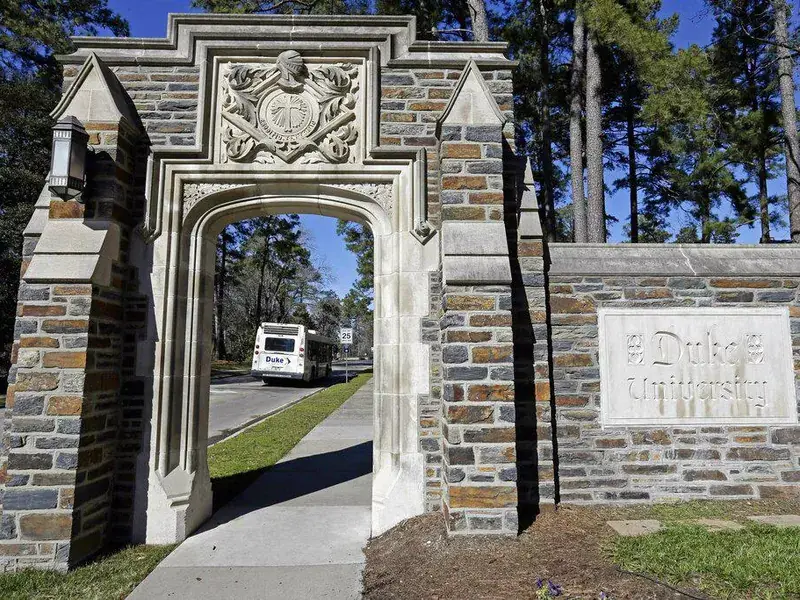
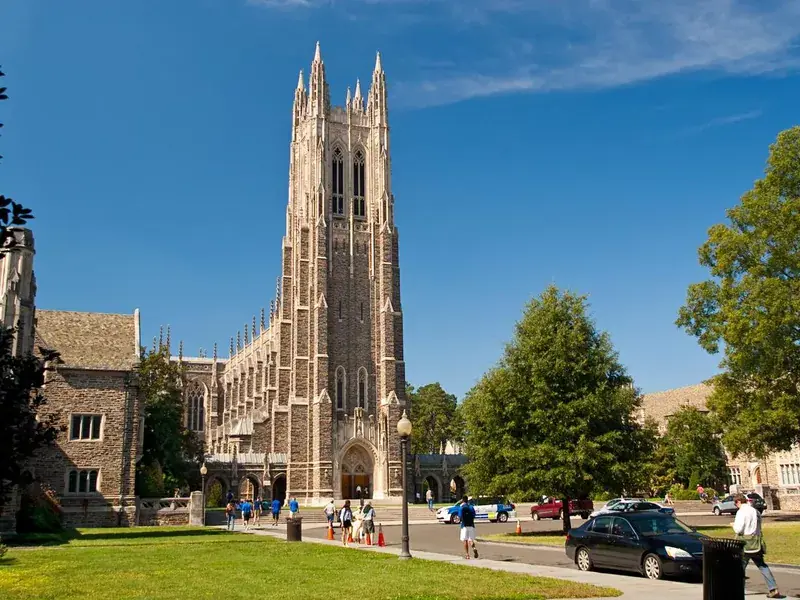
The Duke University School of Medicine is part of the sprawling Duke University Health System and has gained fame for its biomedical research, which was the home of roughly $700 million in National Institute of Health projects in 2021 alone. In the late 2000s, Duke began to spread its reach across the world, teaming up with the National University of Singapore to create the Duke-NUS Graduate School of Medicine, which saw its first class graduate in 2011.
5. University of California, San Francisco

Location: San Francisco, California Acceptance rate: 2.6 percent Tuition (yearly): $37,056 (in-state)
Bottom Line: University of California, San Francisco
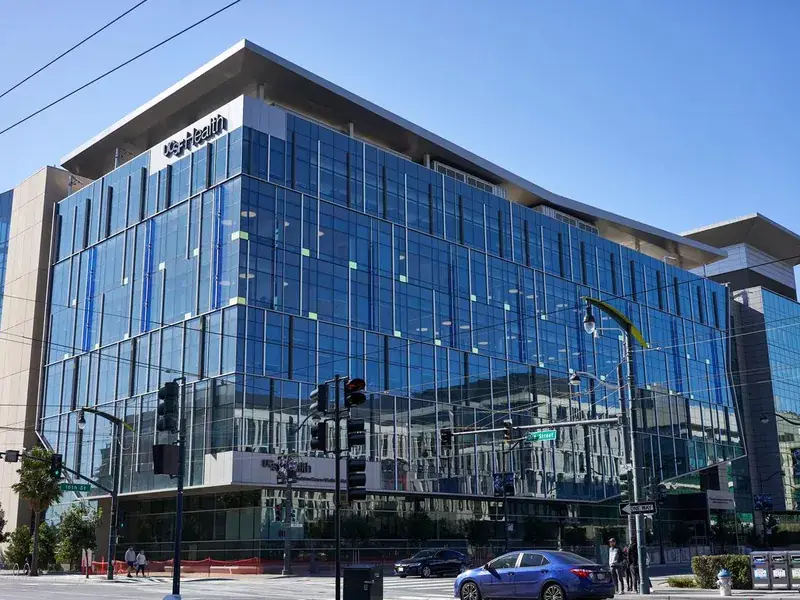
It’s easy to confuse the private University of San Francisco with the public University of California, San Francisco. Just remember that UCSF is the one with the elite medical school. UCSF’s medical school took a major leap forward in the late 1990s when it began to develop property in Mission Bay in a deal struck between Mayor Willie Brown and the school. In 2015, the Mission Bay campus opened the UCSF Medical Center at Mission Bay, which was dedicated to serving children, women and cancer patients largely thanks to a $100 million donation from financier Mark Benioff.
4. Johns Hopkins University
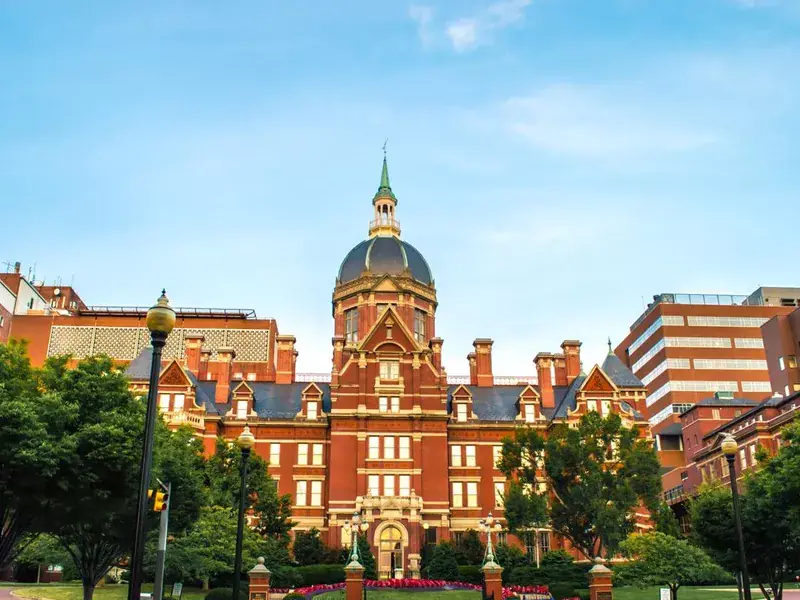
Location: Baltimore, Maryland Acceptance rate: 6.3 percent Tuition (yearly): $58,000
Bottom Line: Johns Hopkins University
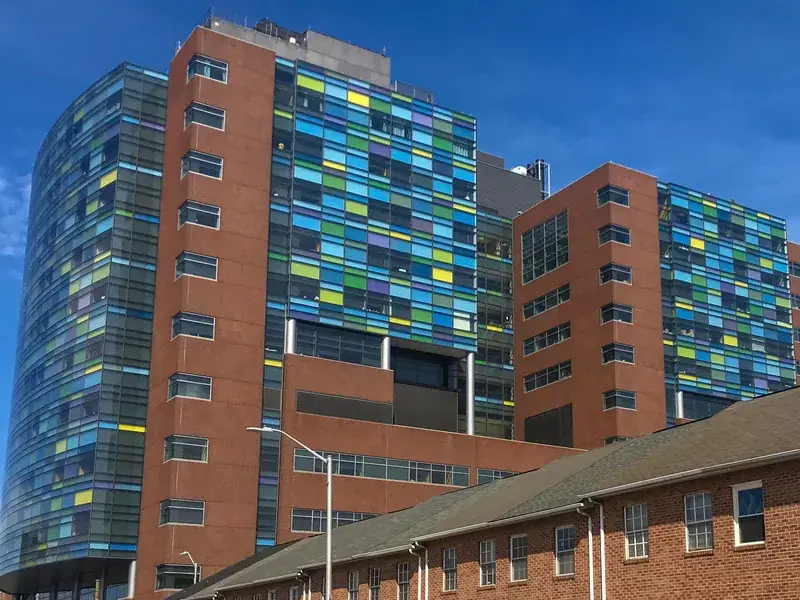
Plot twist — Johns Hopkins wasn’t actually a doctor. The founder of the famous college and its revered medical school was a finance and investment specialist in the mid-to-late 1800s who dedicated his life to philanthropy and explicitly making sure that the impoverished and underserved received adequate medical care. Johns Hopkins has been the template for all great medical schools in the U.S. for the last 40-plus years. That includes 18 graduates who have gone on to become Nobel Prize winners.
3. Columbia University
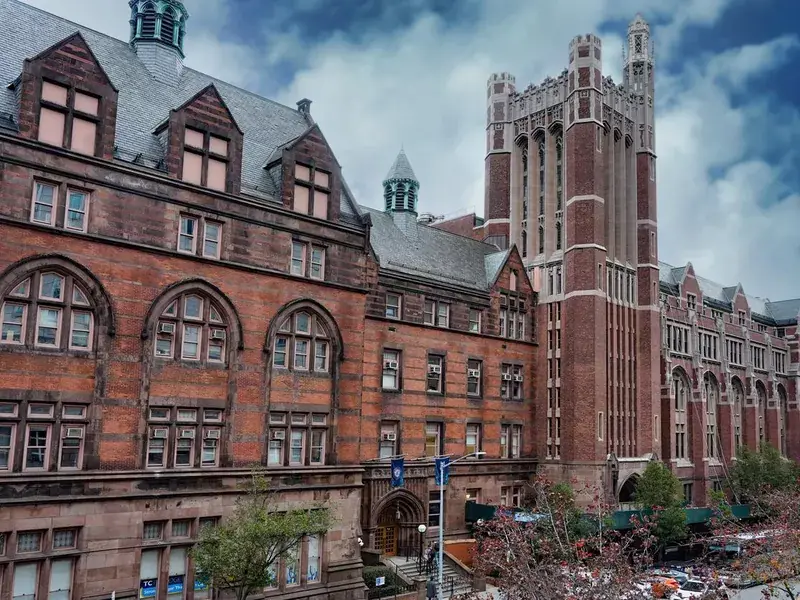
Location: New York, New York Acceptance rate: 3.4 percent Tuition (yearly): $66,816
Bottom Line: Columbia University
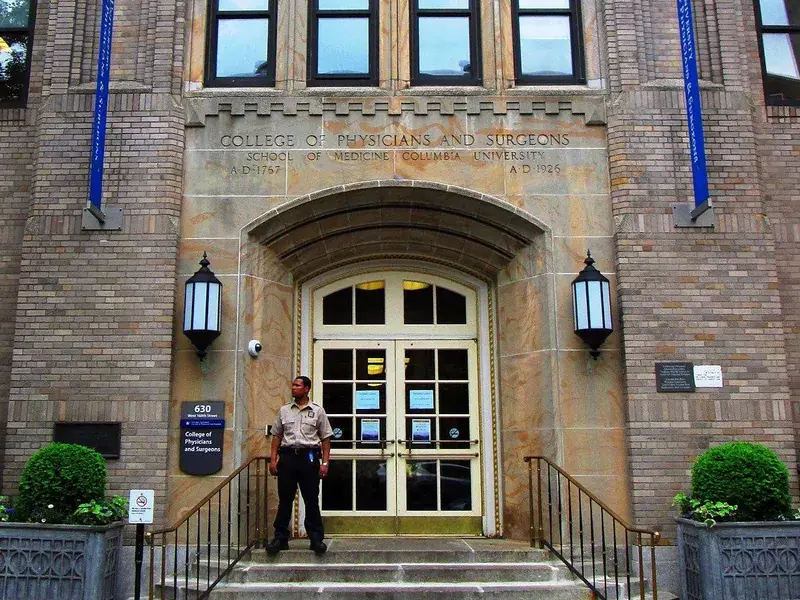
In 2017, a $250 million gift from Roy and Diana Vagelos made it so all students at Columbia’s medical school would see their loans turned into full scholarships — a remarkable step as the first medical school in the country to do so. Located on the Hudson River and separated from Columbia’s main campus by the 50 or so blocks that make up Harlem, Columbia has seen its fair share of notable grads. Among them was Dr. Benjamin Spock, a 1924 Olympic gold medalist in rowing and pediatrician who wrote “The Common Sense Book of Baby and Child Care” in 1946, which had sold 50 million copies worldwide by the time he died in 1998.
2. New York University
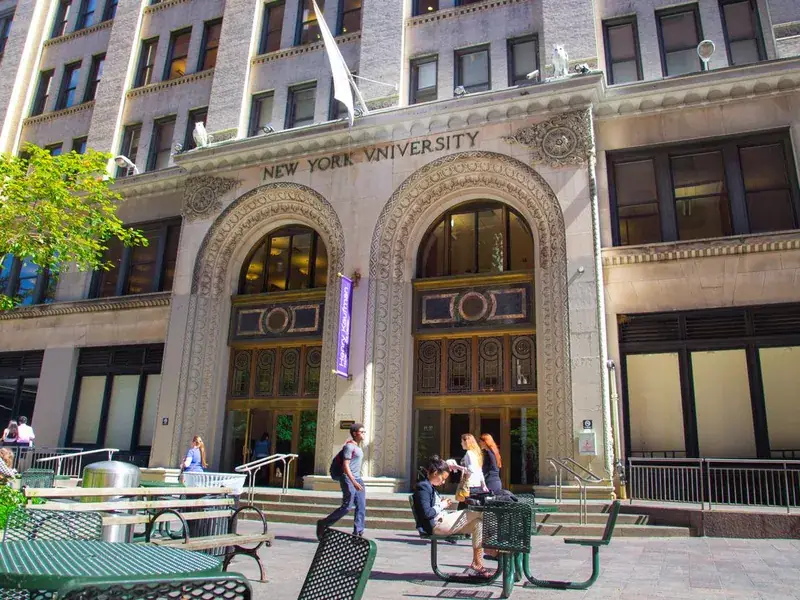
Location: New York, New York Acceptance rate: 2.1 percent Tuition (yearly): $0
Bottom Line: New York University
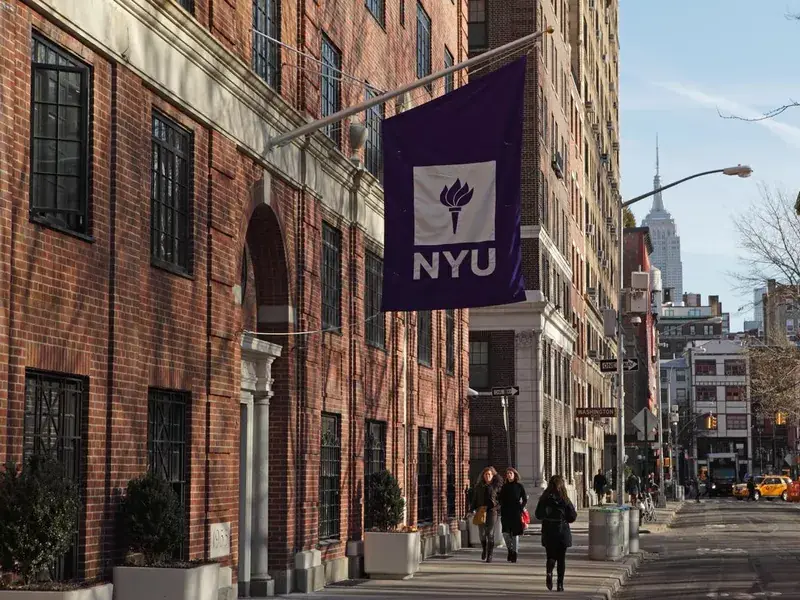
Since 2018, the NYU School of Medicine has offered full scholarships to all current and future full-time students in its program, regardless of “need or merit.” So once you’re in, you’re getting your school paid for. In 2019, the NYU Grossman School of Medicine building opened as a state-of-the-art research center. NYU grads have saved millions of lives with their discoveries. When a disease called pellagra was killing thousands in the southern states in the 1910s, Dr. Joseph Goldberger discovered it was caused by a lack of B12 in diets. Dr. Samuel Caranche, a 1955 grad, led the research team that discovered the first effective treatment for sickle cell disease, which can be a fatal blood disorder that mainly affects African Americans.
1. Harvard University
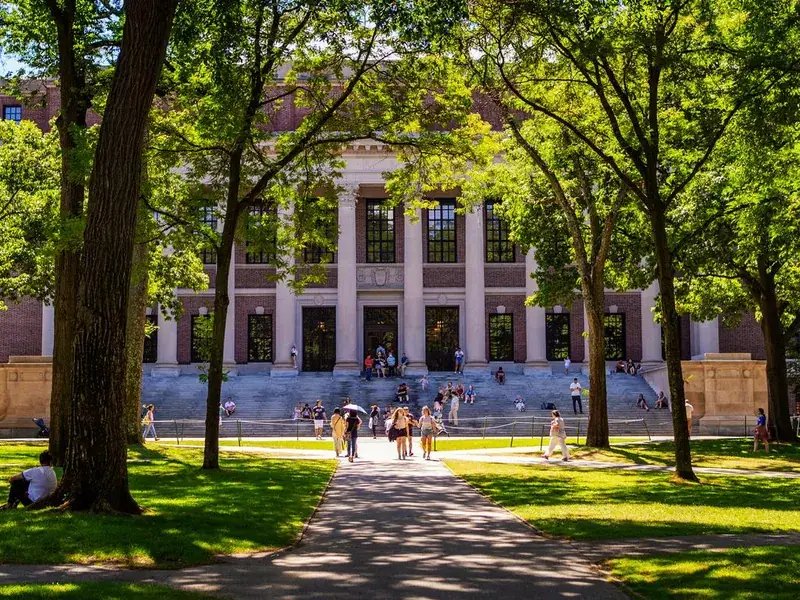
Location: Boston, Massachusetts Acceptance rate: 3.7 percent Tuition (yearly): $66,284
Bottom Line: Harvard University
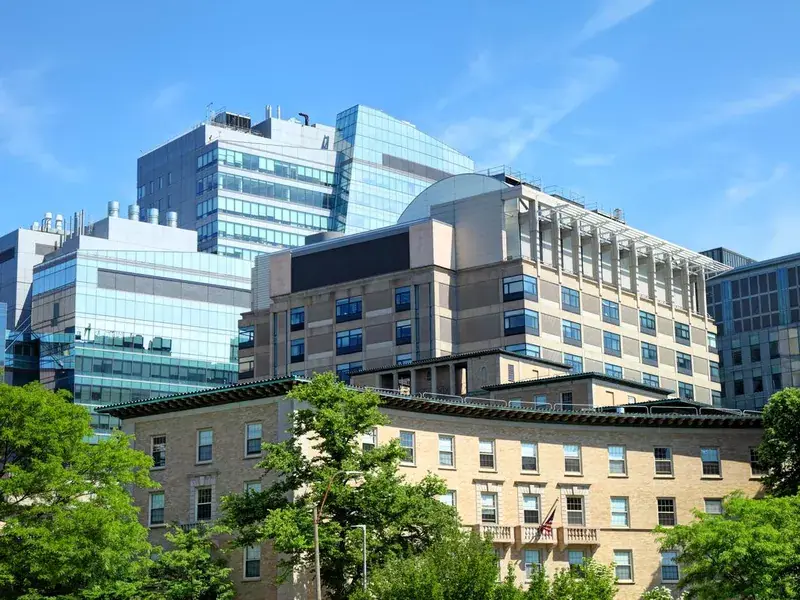
The most prestigious medical school in the U.S. resides at Harvard University and can point to two very telling stats and essentially say “ballgame” every time. It has more full-time faculty, department heads and medical school deans currently working and more Nobel Prize winners in Medicine and Physiology than any other medical school. When it comes to pure fame and talent, no alumni can hold a candle to the late Michael Crichton, a 1969 graduate. Crichton, who died in 2008, would become a worldwide bestselling author with a series of groundbreaking sci-fi novels, many of which were turned into hit films. Most notably, Crichton wrote “Jurassic Park” and “The Andromeda Strain.”