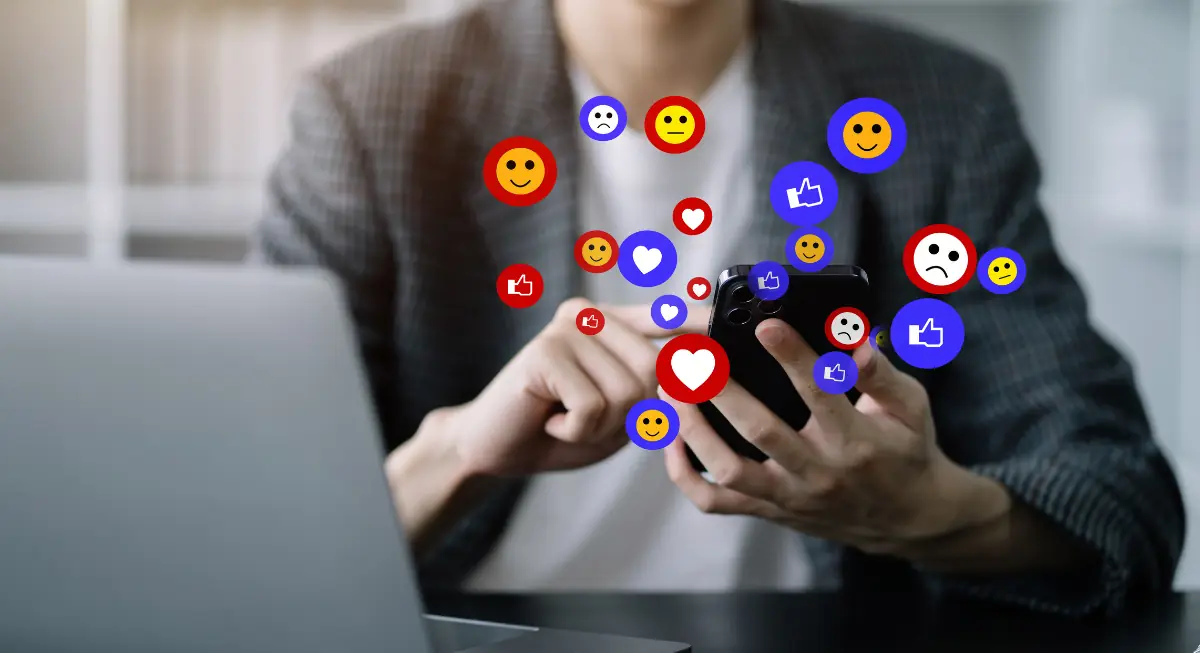
In an attempt to humanize the most dehumanizing of tasks (layoffs), some companies have started adding emojis to their goodbye notes. Yep. Emojis. The hope is to soften the blow. But it often results in confusion, awkwardness, and in many cases, offense. When jobs are at stake, even a well-meaning emoji can send the wrong message.
Here’s a tour of how well-meaning icons are turning rough messages into uncomfortable ones.
The Disappointed Face Doesn’t Comfort

Someone pitched the classic sad face emoji as a kind of emotional olive branch. It’s visual, simple, and easy to copy-paste. But when it appears in an email telling you your role is being cut, 😞 lands less like a hug and more like a sticker on a rejection letter. And doubling it up (😞😞) doesn’t add more sympathy. It just feels like HR discovered the emoji keyboard and got a little carried away.
Tears in the Message, Not in the Budget
In Unicode, this emoji is officially called “Loudly Crying Face.” Loud is right. Using 😭 to acknowledge layoffs while also announcing there’s no severance package is not empathy, it’s emotional whiplash. For employees reading that email, it’s less “we understand your pain” and more “we’re making memes out of your misfortune.”
When the Emoji Matches Shareholder Priorities Too Well

The 🤑 emoji seemed brutally honest, used to explain decisions made in the interest of shareholders. But the same clarity made it wildly inappropriate. There’s a fine line between transparency and callousness, and this symbol tripped right over it.
Devil Horns for HR? Really?

👿 was pitched because it matched the company’s branding palette. That choice overlooked how employees might interpret it: either as an insult or a joke. Internal groups, especially those with religious affiliations, raised concerns. To make it better (read: worse), someone tried to balance it with a 👼. The message ended up looking like a Halloween party invite, not a serious HR communication.
The Zany Face That Tried (And Failed) to Add Levity

Emojis like 🤪 were introduced as an attempt to add humor to an otherwise serious message. Trying to be cheeky while announcing layoffs is like showing up to a breakup in a clown wig: confusing, off-putting, and very hard to take seriously.
The Hug Emoji That Feels Unearned

Opening with “We have an important update about your role 🤗” feels like being offered a warm cookie right before your house gets repossessed. Emojis can’t do the emotional heavy lifting here. When the content is hard, adding a hug emoji is misleading, and for many, even a little patronizing.
Emoji Neutrality Doesn’t Neutralize the Message

Considered less dramatic, 😐 was seen as a safe middle ground. But it ended up conveying emotional distance. For someone losing their job, that kind of blank affect from leadership can sting more than a direct message. Emojis don’t need to say everything, but this one said nothing.
Sincerity Doesn’t Scale Through Emoji

The use of 😔 aimed to communicate thoughtfulness. But in practice, it felt like a soft-focus filter on a harsh reality. It reads more like image management than meaningful concern, especially when it comes in the same breath as budget justifications.
The Emoji That Raises Legal Eyebrows

Some of the more brazen suggestions (like 🤪) drew legal concern. You know your emoji game has gone off the rails when Legal has to step in. Once emojis start raising questions about tone, liability, or unintentional mockery, it’s officially a PR and HR headache.
Trying to Brand the Bad News

Several emoji choices were justified as being on-brand. That mindset misunderstands what branding means in a crisis. Employees facing layoffs aren’t looking for aesthetic continuity. They want directness, clarity, and respect. Emojis send mixed messages when the stakes are high.
Adding Emojis to Soften Finance-Speak

Using symbols like 🤑 to wrap financial justification in a friendly tone didn’t make the explanation clearer. It emphasized money over people. The moment you introduce 🤑 into a financial justification, it shifts the tone from “strategic realignment” to “we’re cashing out, thanks for your service.” Any emoji that reflects cost-cutting risks sounds celebratory at the worst possible time.
The Thumbs-Up That Feels Like a Slap 👎

So, someone just got laid off. You read the message: “Thanks for your contributions, we wish you the best 👍.” Oof. That thumbs-up? It stings. It’s the kind of emoji you drop in a group chat to confirm dinner plans, not to send someone off after years of work.
Emojis Can’t Make Eye Contact
There’s something quietly sad about layoffs over email or Slack. There’s no eye contact or real conversation; instead, you get a few sentences and maybe, if you’re lucky, an emoji or two. 🙏 Thing is, those emojis don’t bridge the gap. They’re like trying to fix a cracked window with a sticker. In serious moments, people don’t want symbols. They want sincerity.
The 🎉 That Missed the Moment

Then there’s this gem: the celebratory “new chapter” email that drops a 🎉 while folks are packing up their desks. Yikes. Even if that emoji is aimed at the “new team structure,” it feels like you’re cheering a breakup. To the people being let go, it reads less like encouragement and more like, “The party starts once you’re gone!” Not exactly the goodbye note anyone hopes for.
Emoji Overload Signals Poor Judgment

Finally, let’s talk about excess. Stacking multiple emojis in a subject line, especially something like “Important Employment Update 🤗😜👸🏻”, makes the message look more like a group text than a professional notice. It signals one thing loud and clear: someone misread the tone of the moment. Badly.
The Praying Hands Offer No Real Solace

The 🙏 emoji can mean prayer, gratitude, apology, or just “thanks,” which already creates trouble before layoffs enter the picture. Drop it into a termination email, and the message starts wobbling between sympathy and corporate damage control. People notice that split fast. Losing a paycheck does not get softer because somebody added folded cartoon hands.
The Rocket Ship Misplaces the Focus

Nothing confuses a layoff email faster than 🚀 sitting next to phrases about “future growth” and “next-stage momentum.” The symbol screams celebration. Expansion. Big quarter energy. Meanwhile, employees are forwarding résumés and checking the deadlines for their health insurance. That disconnect sticks. The rocket turns the message from awkward to something that feels entirely detached from the room.