
Free snacks and trendy office perks are easy to market, but they don’t pay medical bills. Some employers still invest in appearances while shifting healthcare costs onto employees. The companies below take a different approach. They cover 100% of health insurance premiums, removing one of the biggest financial stresses tied to work. That choice is rare, noticeable on any job board, and meaningful in daily life. Here are 10 employers that fully cover health insurance, and what drives that decision.
Meta
Meta covers 100% of employee medical insurance premiums. Employees receive comprehensive medical coverage without paying premiums, though they contribute toward dependent coverage. Benefits extend beyond basic medical care to include dental and vision options. Mental health services come standard. This policy attracts top talent in the industry, where benefits matter as much as salary.
Bill And Melinda Gates Foundation
Some employers brag about having ‘great benefits,’ then there’s the Bill and Melinda Gates Foundation that walks the walk. Its official benefits page states that the foundation pays 100% of premiums for U.S.-based employees, including comprehensive medical, dental, and vision coverage. It even notes that there is no annual deductible on the core plan. That’s a rare, very Seattle-style flex, minus the rain.
Tres Health
A healthcare-related company can’t afford to play games with healthcare benefits. This employer is no exception and covers 100% of employee health insurance premiums. That clarity helps in recruiting, but it also helps employees avoid budgeting for premium deductions. In a world where ‘great benefits’ sometimes mean vague wellness perks like gym membership refunds, full premium coverage comes in handy.
Fivetran
Fivetran covers 100% of employee health insurance premiums, according to 2025 employee-reported benefits. Built In also lists its medical, dental, and vision plans as fully paid. In a tech market where workers often absorb high deductibles despite polished employer messaging, that level of coverage makes a clear, practical difference.
Norcom
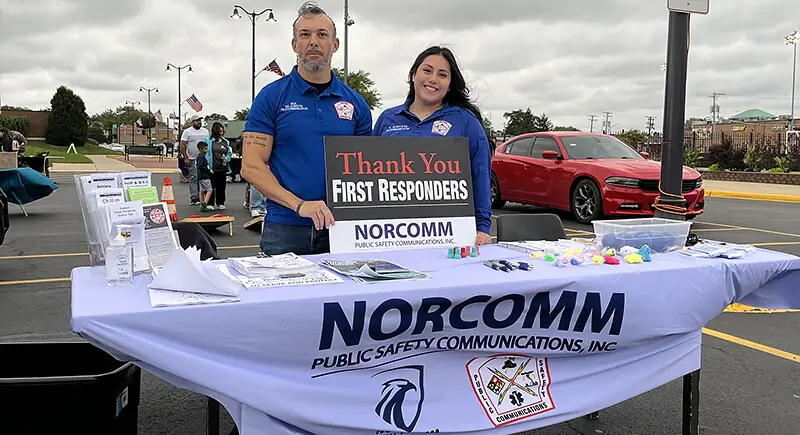
Public safety tech sounds like a calm office job until the stakes hit. This regional agency supports emergency communications and law enforcement systems and provides employees with 100% employer-paid health insurance premiums. That matters in high-pressure roles where burnout is the norm. The practice is also a practical retention tool, since experienced staff are valuable and hard to replace. The policy keeps benefits simple, predictable, and genuinely helpful.
H. E. Butt Foundation
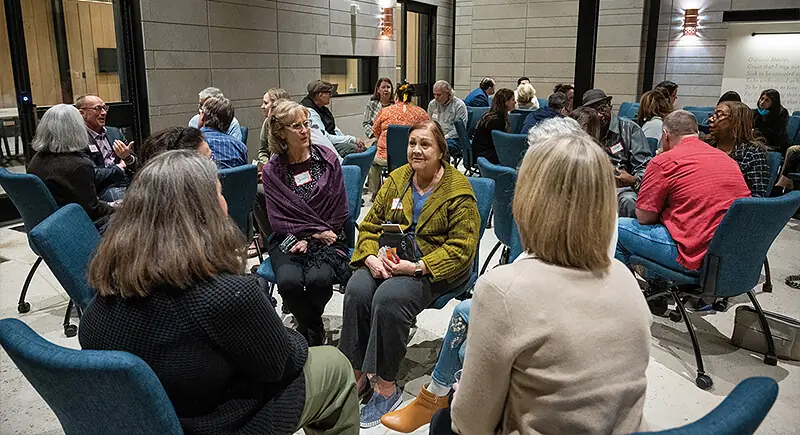
Philanthropy looks better when it starts at home. This Texas-based foundation covers 100% of employee health insurance premiums, eliminating this stressor from everyday life. Of course, the policy aligns with the organization’s identity, since it supports communities, youth, and families. People working in mission-driven roles often accept lower salaries, so full premium coverage carries extra weight. It’s a quiet but powerful benefit that supports long-term commitment.
Zocdoc

Zocdoc backs up its healthcare mission with its own benefits. Job listings state that employee medical, dental, and vision coverage is paid at 100%, and Glassdoor reports full coverage of medical and pharmacy costs for U.S.-based staff. For a company built around making care easier to access, starting with employees feels consistent and practical.
Friends Of Trees

Tree planting is joyful, but it’s also real work, physical, and weather-dependent. This nonprofit supports its team by offering 100% employer-paid health insurance premiums. That’s a big deal in the nonprofit sector, where benefits often fall short. It encourages staff to stay with the mission for the long haul. You can’t grow an urban forest overnight, and stable benefits like this help people stick around.
Galvanize USA

Clean energy work attracts people who want their job to mean more than quarterly numbers. This decarbonization-focused company sweetens the deal for potential employees by covering 100% of employee health insurance premiums. It’s a standout move in the climate-tech space, where talent competition can be intense. Paying the full premium helps employees feel supported and reduces financial friction. It’s one less thing to worry about in a fast-moving industry.
Ankrom Moisan

Architecture can look glamorous, but the day-to-day involves deadlines, revisions, and plenty of caffeine. This design firm promises 100% employer-paid health insurance premiums, which assures employees during intense project cycles. That stability matters especially in an industry where workloads can swing with the economy. Removing premium costs helps younger employees gain a solid financial footing, while older employees work with peace of mind.
IXL Learning
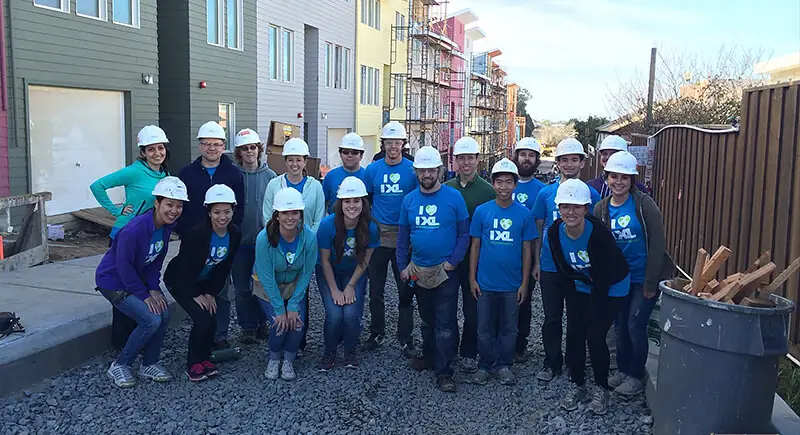
Edtech companies often talk about investing in learners. While IXL might do that, they obviously prioritize employees. Benefit descriptions state that the firm pays 100% of employees’ premiums and partially covers dependents’ premiums. Medical, dental, and vision get the same treatment. That matters in an industry where salaries generally lag behind those in other industries, like Big Tech. Here, the health coverage helps close that gap without fancy corporate theater.
Pearl Meyer & Partners
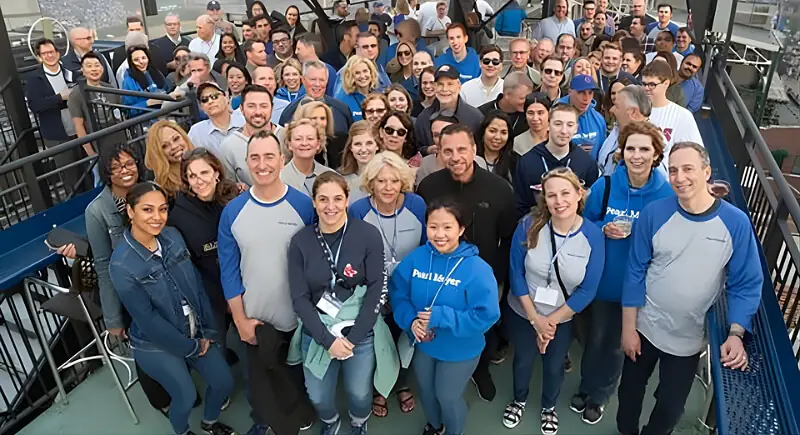
Pearl Meyer & Partners offers a 100% employer-paid health plan for individual employees, meaning no monthly premium deductions from paychecks. For a firm that advises companies on compensation strategy, the policy aligns with its core work. That consistency likely helps explain its solid Glassdoor ratings.