
Boomers stepped into a workplace that rewarded long stays, steady ladders, and clear rules. Gen Z arrived in something very different, shaped by layoffs, rising costs, and the reality that effort doesn’t always translate into security. They grew up watching systems wobble, so they approach work with a different mindset. Jobs aren’t identity markers for them, and old career advice doesn’t carry the same weight. Their choices come from experience, not rebellion.
They Leave Roles That Don’t Offer Flexibility

Boomers were often expected to show up early and stay late without question. That rigid setup worked when housing was affordable, and employers rewarded tenure. Gen Z sees no reason to follow a structure that doesn’t adapt to real life. For them, flexibility is a requirement. If a job doesn’t allow them to work where or how they’re most effective, they won’t wait around.
They Negotiate Pay Before Accepting the Job

According to survey data, 55% of Gen Z workers negotiate their initial job offers, compared to 42% of boomers. Among those who negotiate, nearly 80% receive better terms. This early negotiation reflects an awareness that silence won’t protect them financially. In an economy where costs continue to rise, they treat such conversations as a first line of defense.
They See Fast Job Changes as Strategic

In the 1980s, the median job tenure in the private sector was nearly a decade. Today, it’s closer to four years. The average age of the younger generation’s early career falls around one to two years. Those shorter stints suggest a labor market where moving around can lead to faster raises, better titles, and more control.
They Demand Pay Transparency

Gen Z has access to salary databases, open discussion platforms, and job market data. When they spot gaps or unclear compensation structures, they ask questions directly. That makes older managers uncomfortable, but recent grads realize that pay secrecy protects companies, not employees.
They Don’t Trust the Old Labor Contract

The older generation worked under a system where working hard and sticking around usually led to results. This also allowed them to reap the rewards of homeownership, pensions, and a reliable retirement. That model is no longer sustainable, as defined-benefit pensions have nearly disappeared, and employer healthcare plans now carry more out-of-pocket costs.
They View Mental Health as a Work Issue

A 2025 study found that Gen Z reports higher levels of burnout, depression, and loneliness than any other age group at work. While boomers were more likely to separate personal wellness from professional life, newer workers see those lines as connected. They expect employers to support mental health through time off, reasonable workloads, and open conversations.
They Protect Their Time Outside Work Hours
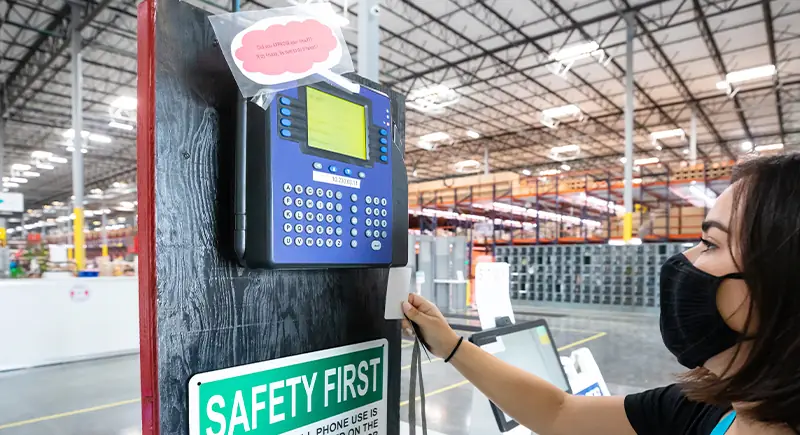
It is not unusual for Boomers to put in extra hours to show commitment, even if no one asked. That culture trained many to blur the line between personal time and work. Gen Z does the opposite, by logging off, turning off notifications, and leaving on time.
They Don’t Rely on Jobs to Provide Meaning

Daily enjoyment isn’t always a deciding factor in Gen Z’s job search. Data from 2024 shows that only about 25% of Gen Z and young millennials prioritize that when choosing a role. This is mainly because new entrants will take a role they don’t love if it pays well, builds skills, or leads somewhere else.
They Redefine What Professional Behavior Looks Like

Clear results matter more to the generations these days than formal routines. Speaking directly and questioning unclear directions shape how they work. Rather than managing impressions, they focus on accountability and efficiency. For this reason, polished language and rigid dress codes don’t carry the same weight as they did for Boomers.
They Expect Feedback

Many Gen Z employees entered companies where hybrid schedules and fewer middle managers meant less hands-on learning. Unlike earlier generations, they didn’t get in-person mentorship or regular coaching by default. Without that structure, they ask directly for feedback. They want to understand expectations, improve, and feel like they’re developing, not just surviving.