What do you do when you see wrongdoing in the workplace? A whistleblower shines the light on the issue and reveals information about the activity within a private or public organization.
Over the course of history, individuals, often employees, have been forced to make a decision between their own personal safety and helping the greater good. That has meant reporting on corporate or government misdoings deemed illegal, immoral or worse.
These are the most famous whistleblowers of all time. Some of them didn’t even get to live to see their actions have a positive impact on the world.
14. Frances Haugen
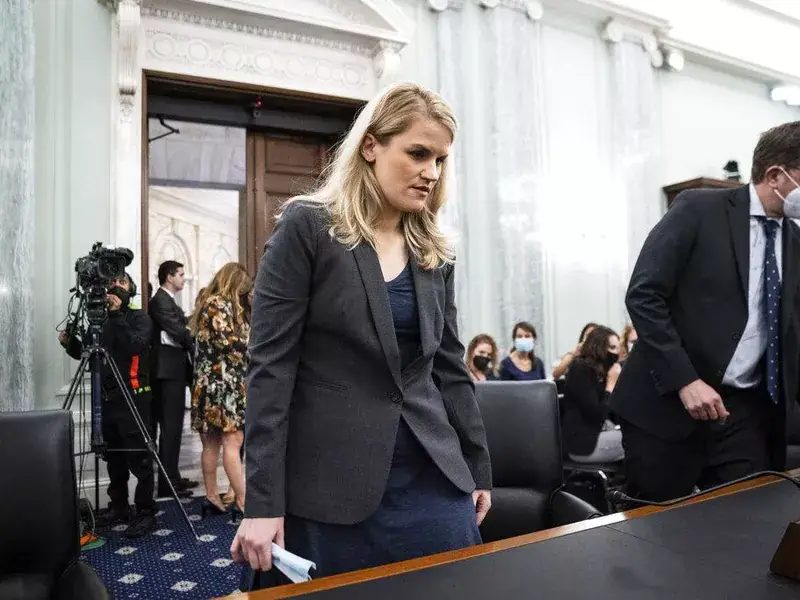
Where they worked: Facebook Years: 2019-21 What happened: After someone close to Frances Haugen was “radicalized online” in part due to misinformation on Facebook, the developer went to work for Facebook in the civic integrity department to try and curb the company’s growing problem of misinformation. What she found instead was a company seemingly unconcerned with public safety and stemming the flow of misinformation and totally focused on profits. Haugen left Facebook in May 2021 and began working with the U.S. Congress and leaking files to The Washington Post, which published “The Facebook Files” in September 2021. The result was a scathing investigation that showed the company continually picking itself over the greater good. Haugen testified before Congress in October 2021.
13. Michael Ruppert
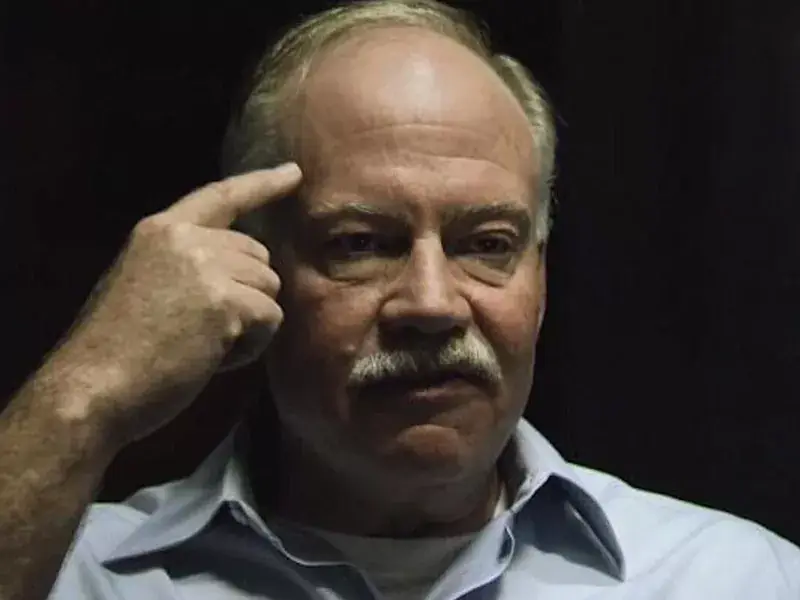
Where they worked: Los Angeles Police Department Years: 1973-78 What happened: When CIA director John Deutch publicly declared his agency had no role in drug trafficking during a town hall in Los Angeles in 1995, Michael Ruppert was there to call his bluff and began bringing to light the CIA’s systemic use of drug trafficking to fund covert operations in other countries. It’s the type of wide-ranging conspiracy that will make your head spin, but Ruppert, a former LAPD narcotics detective, believed he’d seen the CIA’s actions up close while he worked as a cop. He resigned because of it in 1978. If you’re looking for a way in when it comes Ruppert’s theories, we’d recommend the stellar FX series “Snowfall” or any of his books. Ruppert committed suicide at a friend’s home in Calistoga, California, on April 13, 2014. He was 63 years old.
12. Peter Buxtun
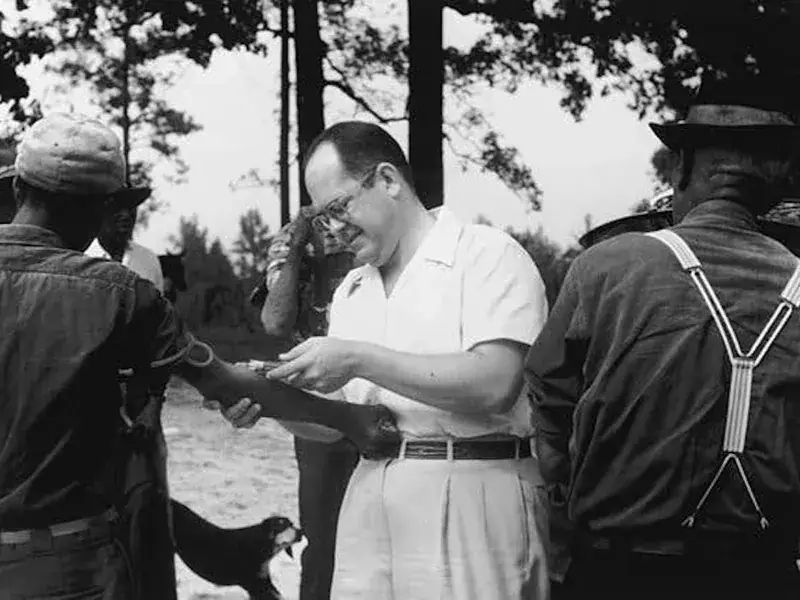
Where they worked: U.S. Public Health Service Years: 1965-72 What happened: Peter Buxtun was only 27 years old when he was hired by the U.S. Public Health Service in San Francisco in 1965 as a social worker and epidemiologist. Buxtun’s job was to interview people who’d contracted sexually transmitted diseases, and he quickly uncovered a vast conspiracy he came to know as the Tuskegee Syphillis Study. The study, conducted from 1932 to 1972, was a secret experiment done on 400 African American males to see what would happen if syphilis went untreated, unbeknownst to the men and leading to the deaths of at least 100 of them. Buxtun filed complaints with the U.S. Public Health Service in 1965 and 1968 over the study. Those complaints were dismissed. He finally went to the press in 1972, leading to the end of the experiments.
11. Daniel Ellsberg
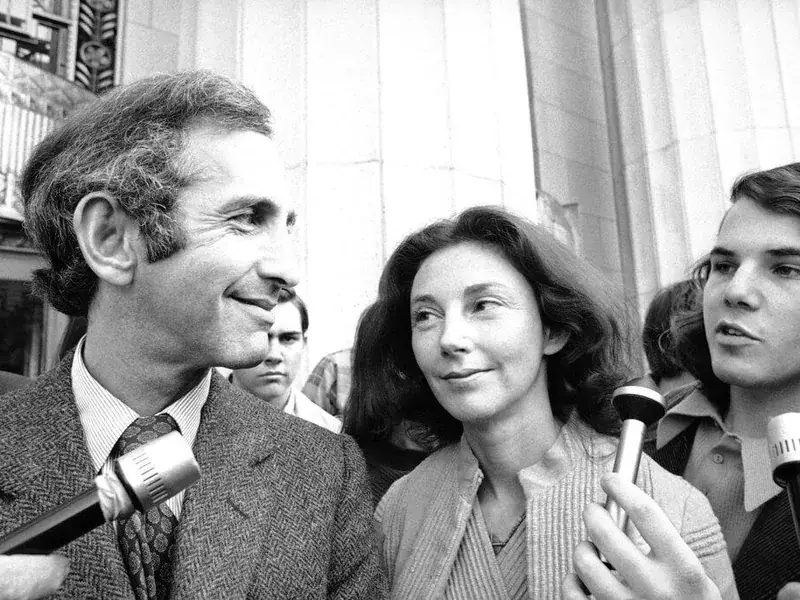
Where they worked: Rand Corporation Years: 1958-69 What happened: The truth about the Vietnam War and our government’s secret account of the conflict may never have come to light were it not for the actions of Daniel Ellsberg, a former employee of the Rand Corporation who copied the 4,000-page document that would become known as “The Pentagon Papers” in 1969 with the help of coworker Anthony Russo. Ellsberg eventually leaked documents to The New York Times and The Washington Post in 1971. Their revelation to the public left a permanent stain on the Kennedy and Johnson presidential administrations and made it very clear that President Lyndon B. Johnson had outright lied to the press about Vietnam. Ellsberg and Russo were eventually charged with espionage before being acquitted in 1973 after it was revealed the bulk of the government’s evidence against the two men had come via illegal wiretapping.
10. Coleen Rowley

Where they worked: FBI Years: 1981-2004 What happened: Coleen Rowley wasn’t just any run-of-the-mill FBI agent during her 24 years working the bureau. She was a superstar who investigated organized crime in New York City, served at the Paris and Montreal embassies, and was eventually named chief division counsel at the Minneapolis field office and taught constitutional law to other FBI agents. After 9/11, it was Rowley who was able to outline the FBI’s “slow action” leading up to the attacks, showing the world how the Minneapolis field office, where she worked, had continually warned the Washington, D.C., field office of the possibility of upcoming suicide-hijacking attacks but were ignored. Rowley was named Time Magazine’s Co-Person of the Year in 2002, alongside Worldcom whistleblower Cynthia Cooper and Enron whistleblower Sherron Watkins.
9. Li Wenliang
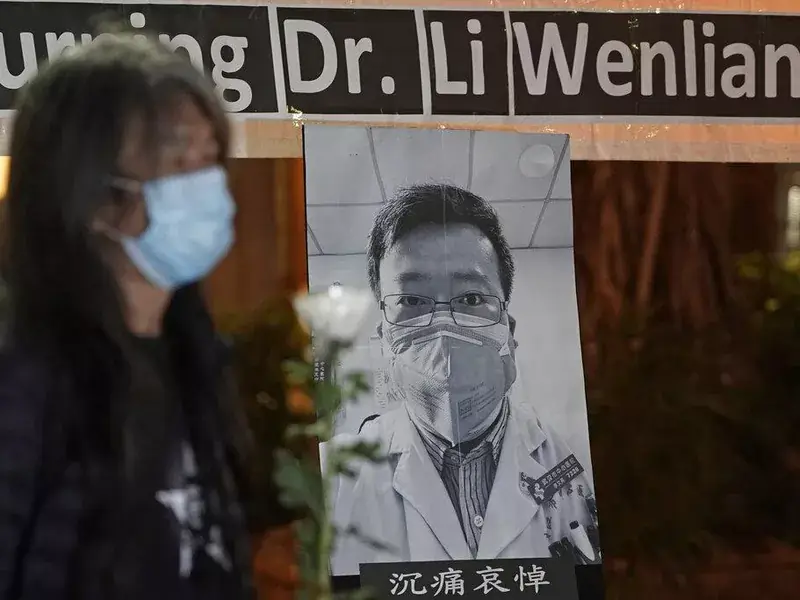
Where they worked: Wuhan Central Hospital Years: 2011-20 What happened: If you ever want a good example of why communism isn’t the greatest, look no further than the tragic story of Dr. Li Wenliang. In December 2020, Dr. Li tried to sound the alarms of a new, ultra-contagious version of a respiratory illness that was spreading throughout the Wuhan district in China, where he worked. Although Dr. Li asked for anonymity in a report he filed, he was outed by colleagues and admonished by the Chinese government for speaking out and raising “unwarranted concerns” after he tried to warn China and the rest of the world about an impending pandemic. Dr. Li died in February 2020 after contracting COVID from a patient he was unaware had been exposed to the virus. He was just 33 years old. In April 2020, the Chinese government apologized to Dr. Li’s family and posthumously awarded him the May Fourth medal.
8. Christoph Meili
Where they worked: Union Bank of Switzerland Years: 1996-97 What happened: Christoph Meili was working as a night security guard at the Union Bank of Switzerland in 1997 when he uncovered an insidious conspiracy. UBS was working with other Swiss banks to destroy proof of assets that had been seized from Holocaust victims by the Nazis. Meili stole documents, including bank ledgers and books dating back to the 1890s that proved UBS and other banks were committing such illegal acts and gave them to a local Jewish organization. After an arrest warrant was issued for Meili in Switzerland, he received political asylum in the United States. Using the evidence Meili acquired, the Swiss banks settled with Jewish victims for $1.25 billion in 1998. Meili, who received $750,000 as part of the settlement, finally returned to his native Switzerland in 2009.
7. Chelsea Manning
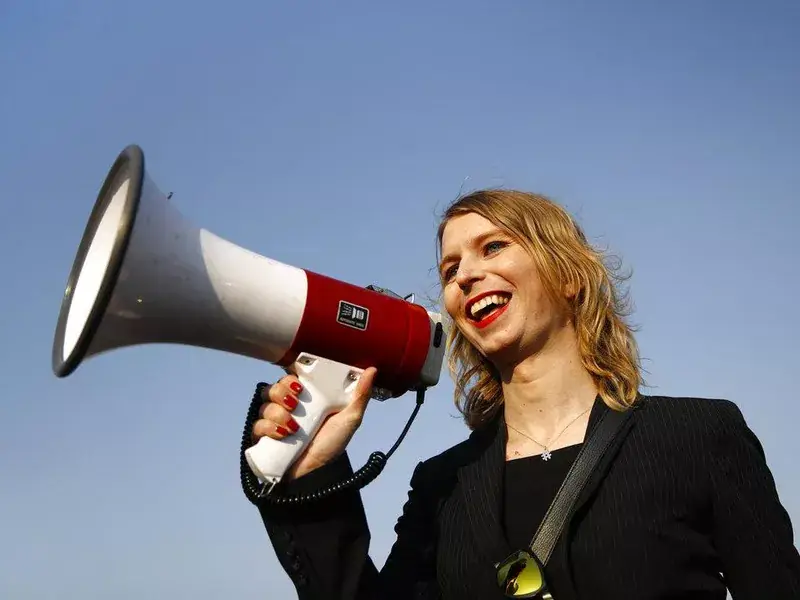
Where they worked: U.S. Army Years: 2007-17 What happened: Chelsea Manning was a U.S. Army intelligence officer who was behind the largest leak of classified documents in history to WikiLeaks in 2010 that included videos of a 2007 Baghdad airstrike, a 2009 Afghanistan airstrike and approximately 750,000 U.S diplomatic cables and Army reports. The cables and documents eventually became known as the Iraq War logs and Afghan War logs, and Manning was convicted under the Espionage Act and sentenced to 35 years in prison. In 2017, President Barack Obama commuted Manning’s sentence to time served, and she was released after seven years in prison.
6. Karen Silkwood
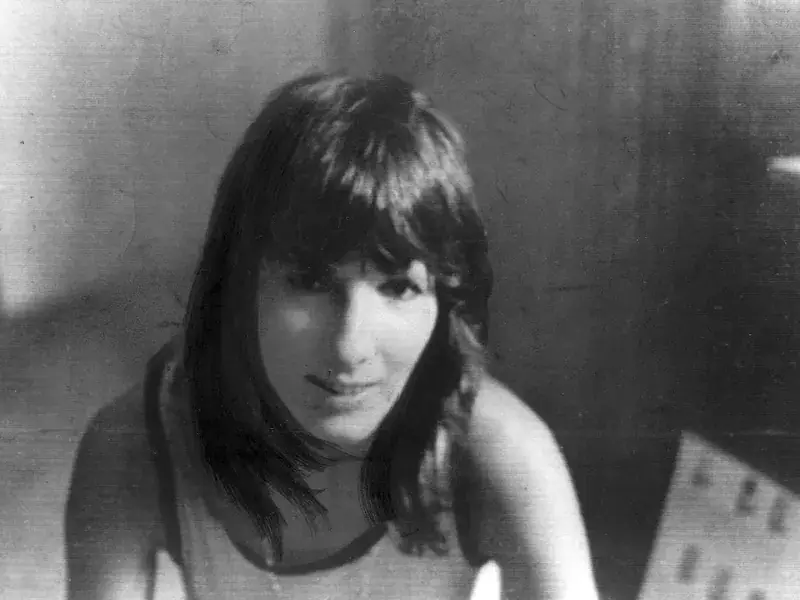
Where they worked: Kerr-McGee Corporation Years: 1972-74 What happened: Karen Silkwood worked for the Kerr-McGee Corporation in the 1970s making rods for nuclear reactors. It was dangerous work that put her and her coworkers at risk of exposure to radiation. In response to Kerr-McGee’s unsafe working conditions, Silkwood became an influential union organizer and thorn in the side of her company’s ambitions. On the night of Nov. 13, 1974, Silkwood left a union meeting after obtaining documents that would prove Kerr-McGee knew of the radiation exposure and continued to operate and was headed to meet with a reporter from The New York Times. Silkwood was killed on the way to the meeting in a suspicious, one-car accident, and the documents were never recovered from the wreckage. She was 28 years old. One year later, in 1975, Kerr-McGee was forced to shut down its nuclear fuel plants. The 1983 film “Silkwood” was nominated for five Academy Awards, including Best Actress for Meryl Streep for her portrayal of Silkwood.
5. Jeffrey Wigand
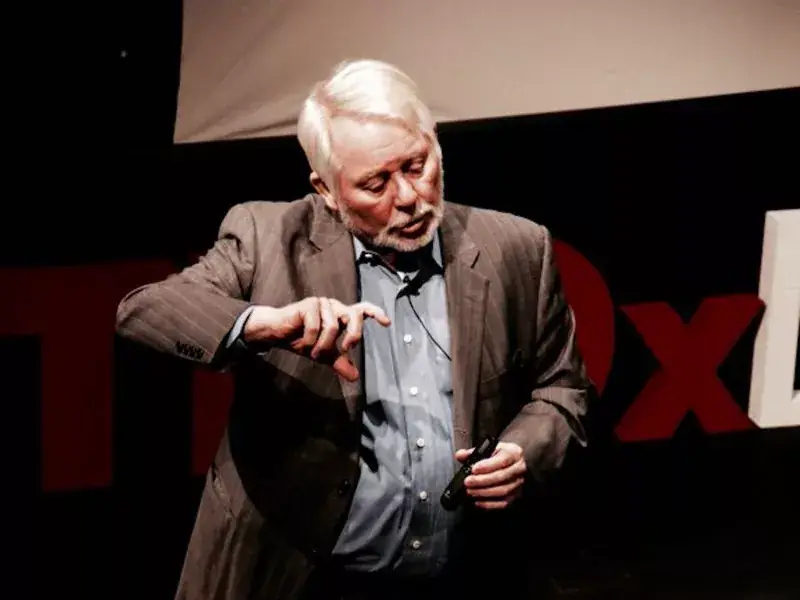
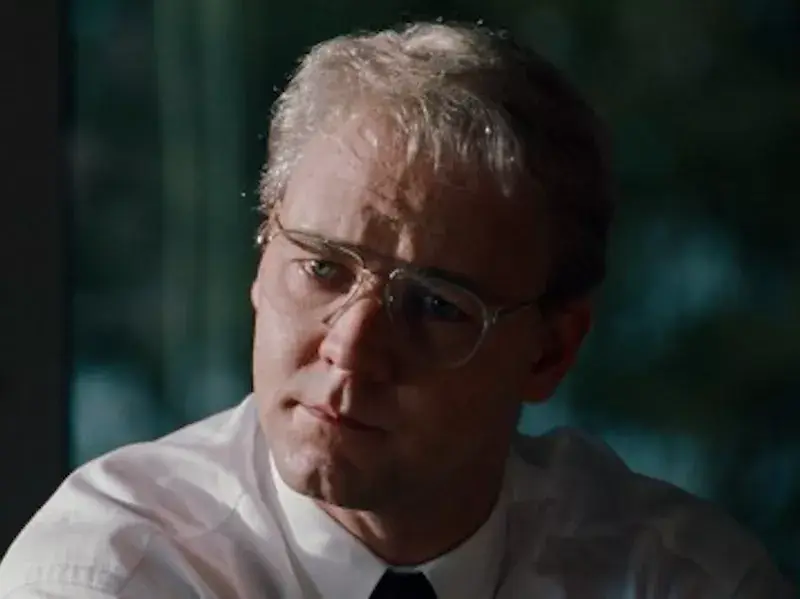
Where they worked: Brown & Williamson Tobacco Corporation Years: 1989-93 What happened: After Jeffrey Wigand was fired from his job as vice president for research and development at tobacco conglomerate Brown & Williamson in 1993, he went on “60 Minutes” in 1996 with one of the most bombshell interviews in the history of the long-running news show. Wigand told the entire world that Brown & Williamson had, for many, many years, been manipulating the level of nicotine in its cigarettes to make them more addictive. Wigand’s disclosure led 45 states to sue the tobacco industry and with help of his testimony, they settled for a whopping $368 billion four years later. Russell Crowe was nominated for an Academy Award for Best Actor for his portrayal of Wigand in the 1999 film “The Insider,” which was nominated for a total of five Academy Awards, including Best Picture.
4. Linda Tripp
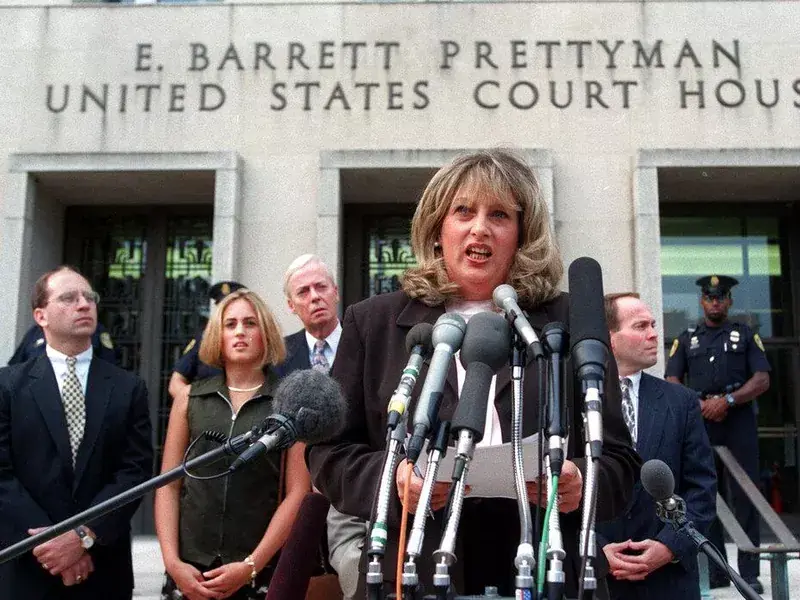
Where they worked: White House Years: 1987-98 What happened: Linda Tripp became famous — or infamous depending on who you ask — for her role as a whistleblower in the scandal which led to the impeachment of President Bill Clinton in 1998. Tripp, a former White House worker in the Bush and Clinton administrations, secretly taped conversations with her friend and coworker Monica Lewinsky that detailed Lewinsky’s affair with Clinton and showed he lied under oath. This led to his impeachment trial, which ended in his acquittal. Tripp successfully sued the Justice Department and Department of Defense after they leaked her personnel files to the media. She received a $600,000 settlement along with back salaries from 1998-2000, raises associated with promotions, and had her pension restored. Tripp died in 2020, at 70 years old.
3. Frank Serpico
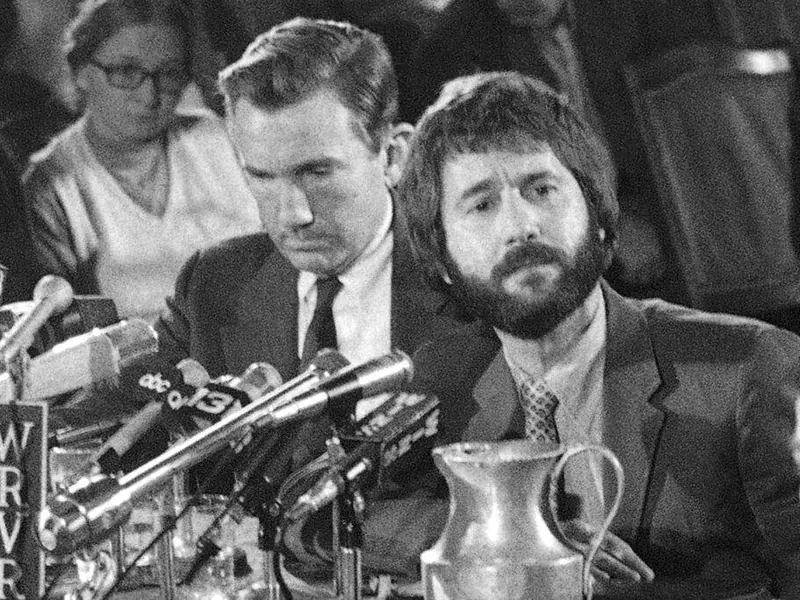
Where they worked: New York Police Department Years: 1959-71 What happened: Few police officers have had to take a stand like detective Frank Serpico, who became the first officer in NYPD history to openly testify about widespread corruption within the NYPD — a systemic rot that was generating millions of dollars every year for corrupt cops. Serpico almost paid for his betrayal with his life when he was shot in the face during a drug bust shortly before he was set to testify at the Knapp Commission, which was conducting the formal investigation into police corruption. Serpico, somehow, lived. In an interesting twist, Al Pacino earned an Academy Award nomination for playing Serpico in the 1973 film “Serpico” and starred in another epic whistleblower movie, “The Insider,” alongside Russell Crowe in 1999.
2. Edward Snowden
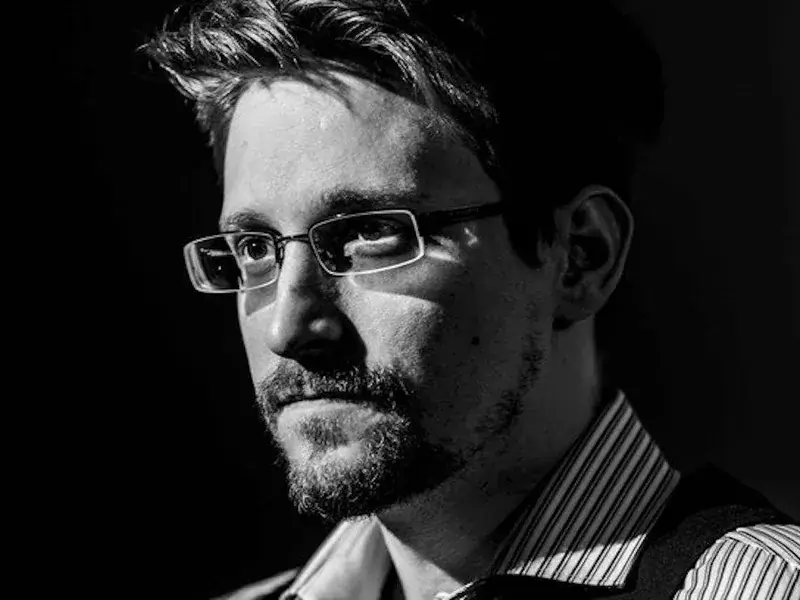
Where they worked: CIA/Booz-Hamilton Holding Corporation/NSA Years: 2006-13 What happened: Edward Snowden was a high-level computer technology expert for the CIA — a self-described “computer wizard” — before going into lucrative work as a private contractor. He worked with huge corporations like Dell in regards to their dealings with various U.S. security agencies and, most notably, was a contractor with the National Security Agency (NSA) through the Booz-Hamilton company in the early 2010s. Snowden became disillusioned with his work over the years and ultimately exposed massive illegal surveillance programs at the NSA by releasing up to 1 million documents to journalists around the world. Snowden fled to Moscow two days after he was indicted for violating the U.S. Espionage Act in 2013 and has been a political refugee there for the last decade.
1. W. Mark Felt
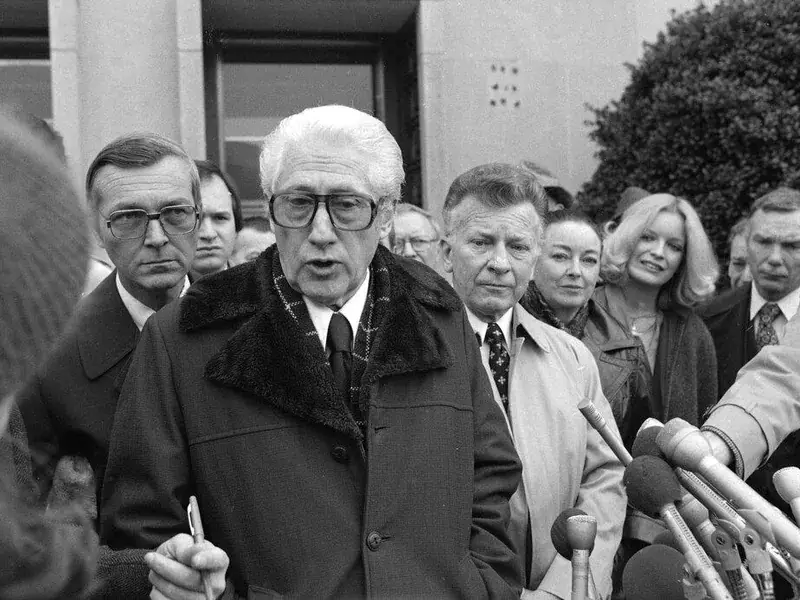
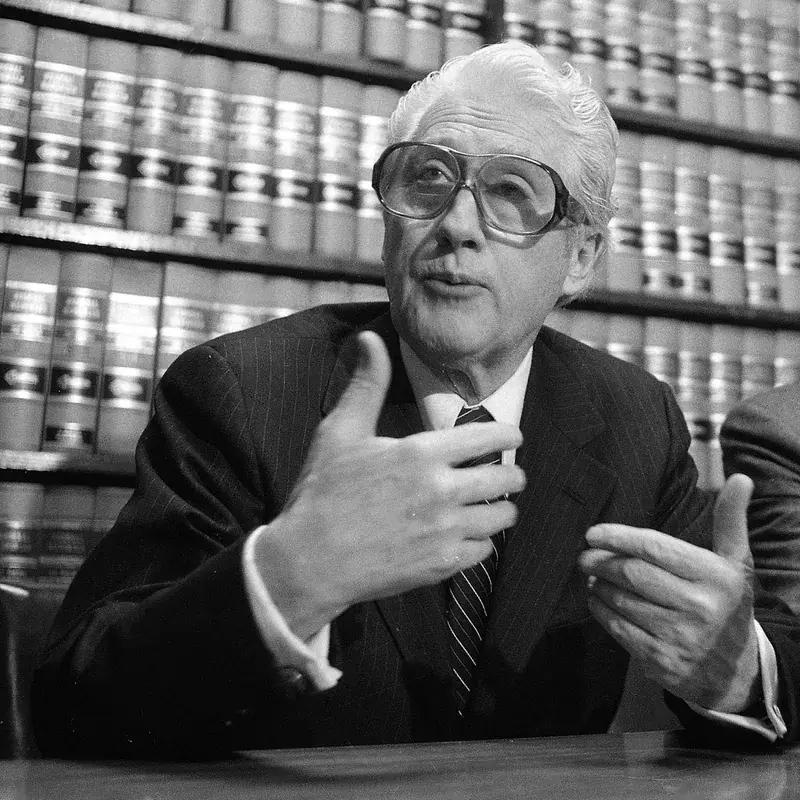
Where they worked: FBI Years: 1942-73 What happened: The most famous whistleblower of all time was former FBI associate director W. Mark Felt. More commonly known as “Deep Throat,” Felt was the inside source feeding information about the Watergate break-ins to Washington Post reporters Carl Bernstein and Bob Woodward. That information led to the resignation of President Richard Nixon as well as prison terms for White House Chief of Staff H.R. Haldeman and presidential adviser John Ehrlichman. Woodward and Bernstein protected Felt’s identity for 30 years, until 2005, when he voluntarily came forward to reveal his identity. Felt died in 2008, in Santa Rosa, California. He was 95 years old.
Other Toxic Work Stories You Might Like