A work email might take 30 seconds to send, but it can stick around for years. Companies save messages, and they can resurface during HR reviews or performance conversations. That is why wording matters more than most people realize. Clear, direct emails keep projects moving. Vague or careless ones slow everyone down. Here are the phrases that instantly make coworkers tense up when they see them in their inbox.
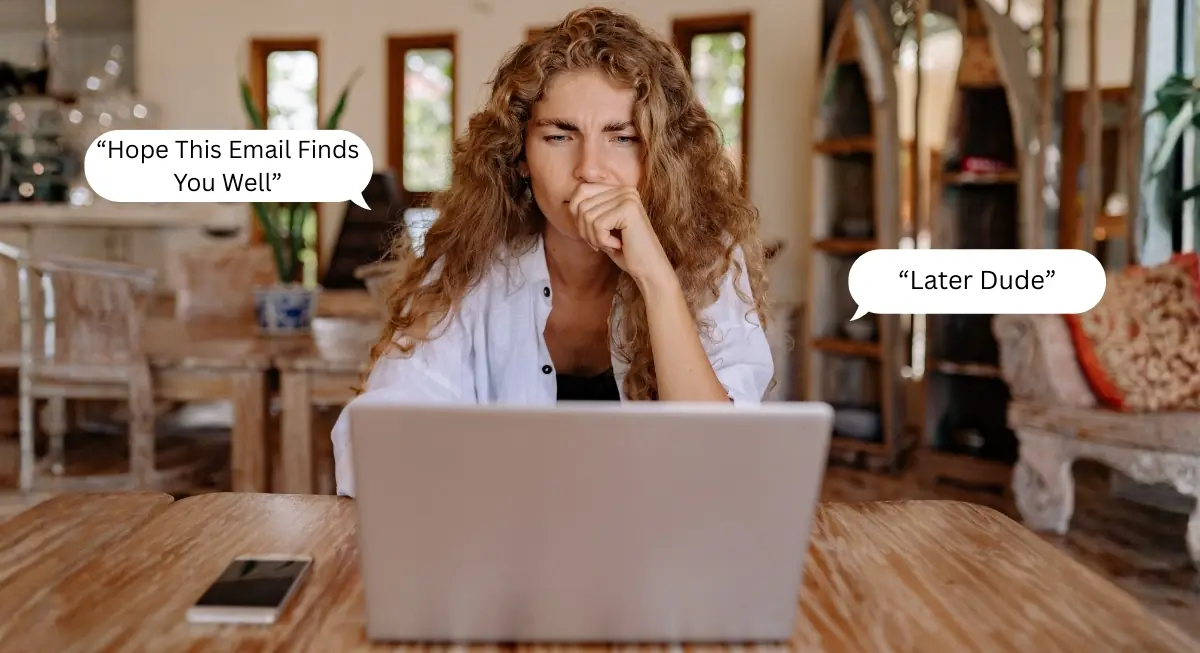
Hope This Email Finds You Well

Inbox reading has turned into quick scanning, and generic greetings get glossed over. When everyone uses the same opener, it stops feeling thoughtful and starts feeling automatic. Communication research shows that emails get faster replies when you lead with your purpose. Many teams now skip the small talk and get straight to why they’re writing.
Anything In All Caps
All caps feels like yelling because research on digital communication links capitalization to perceived aggression. Uppercase text slows comprehension, and some spam filters even flag heavy caps. Workplace etiquette training often treats caps lock like accidentally bringing a megaphone into a meeting that no one scheduled.
I Am So Mad

Sending an angry email rarely ends well. Once it is in the system, it stays there, and it can be pulled up during reviews or conflicts. Strong wording or insults can make you look impulsive instead of professional. If you are upset, step away first. A short pause can save you from a message you regret later.
I’d Like to Submit My Resume for Consideration

Using a company email for job hunting is risky because many employers monitor systems for security and compliance. Work accounts legally belong to the company, so emails often stay archived long after employees leave. Career advisors push personal email use because losing work access during resignation can freeze recruiter replies overnight.
Later Dude

Casual sign-offs can undermine credibility, as many workplaces expect a professional tone in writing. Global teams prefer neutral English because slang can confuse colleagues who learned English through textbooks. Moreover, written slang can come across as sarcastic without voice cues.
Can You Just Make This Problem Go Away

Vague requests create delays since nobody knows what success actually looks like. While clear tasks reduce error rates, ambiguous wording causes follow-up emails that multiply like unread newsletters. Just stick to direct instructions; they help teams finish work faster and argue less about what the email meant.
You’re Fired

Termination emails often create legal risk because employment law favors direct conversations. HR guidelines recommend face-to-face or live video communication. Case studies show cold termination emails damage a company’s reputation. Employees who see harsh firing methods often lose trust in leadership, and turnover costs companies serious money.
Just Checking In
This sounds harmless, but it often leaves people wondering what you actually need. With inboxes already packed, vague follow-ups can feel like extra noise. If you are waiting on something, say exactly what it is and include a clear deadline. Direct reminders get quicker replies and prevent long back-and-forth threads that waste everyone’s time.
Please Advise
Workplace surveys rank this phrase among the least liked email wording because it sounds stiff and distant. Communication research shows that direct questions improve response quality. Plain language helps global teams communicate clearly. Clear requests also help teams make decisions faster, keeping projects moving and preventing endless email ping-pong.
Let’s Circle Back

Corporate surveys show workers dislike this phrase because it often means nothing will happen today. Meeting overload kills productivity across industries. Research shows scheduling clear next steps improves accountability. Calendar invites with real goals work better than vague promises that sound productive but actually stall decisions.