Long before labor protections or plumbing, entire societies depended on jobs no one wanted. Infections, burns, suffocation, and isolation came with the job title. Prestige didn’t always mean comfort, and usefulness rarely earned respect.
But people worked these roles because they had to in order to survive.
Groom Of the Stool
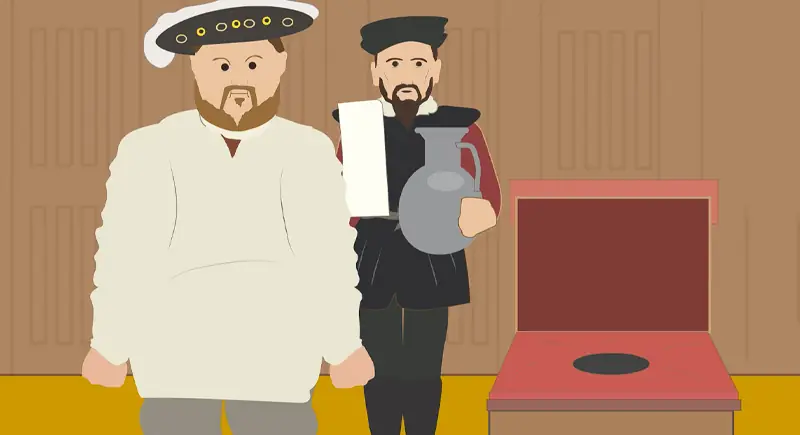
Attending to a king’s toilet needs sounds like a punchline today, but it was one of the most trusted roles in royal households. The Groom of the Stool assisted monarchs with toileting, hygiene, and even undressing. In return, he gained access to royal secrets and influence over court decisions.
Wool Fuller
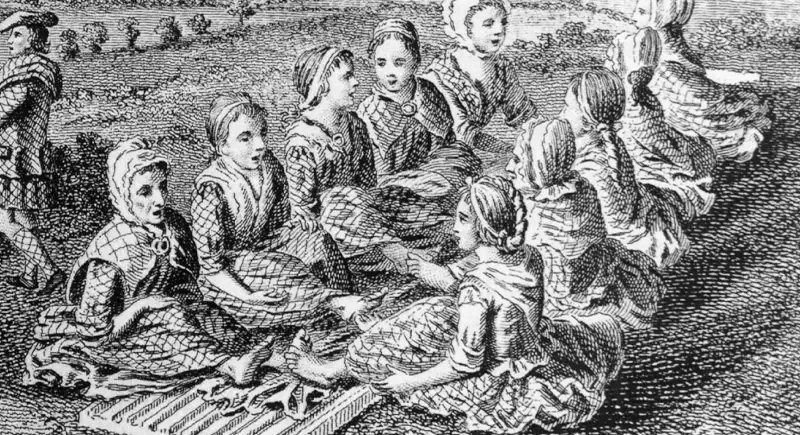
Workers called fullers handled raw wool by trampling it in tubs of aged urine. Ammonia in the urine stripped grease and dirt from the fibers. They did this for hours, while breathing in strong fumes and standing in liquid waste. This process helped make the fabric smoother and stronger. The job was common across Europe for centuries.
Plague Bearer
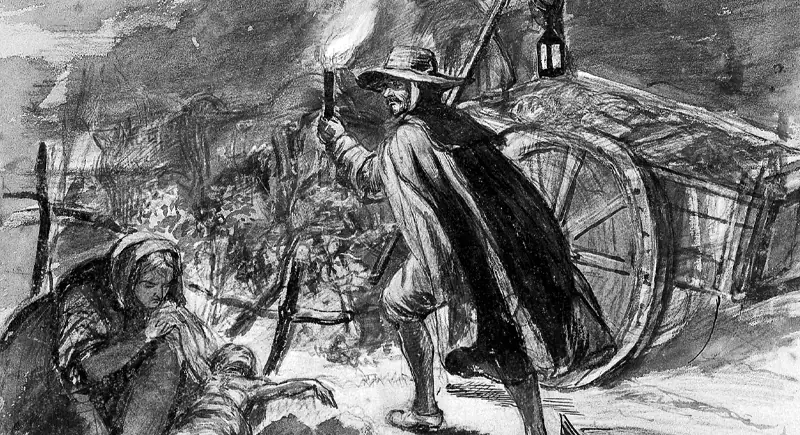
During the 1665 plague in London, bodies infected with the plague lined the streets. The government hired plague bearers to collect and bury the dead. They worked among corpses and would inhale the stench of decay while risking infection. As a result, these workers lived apart from the rest of society.
Tosher
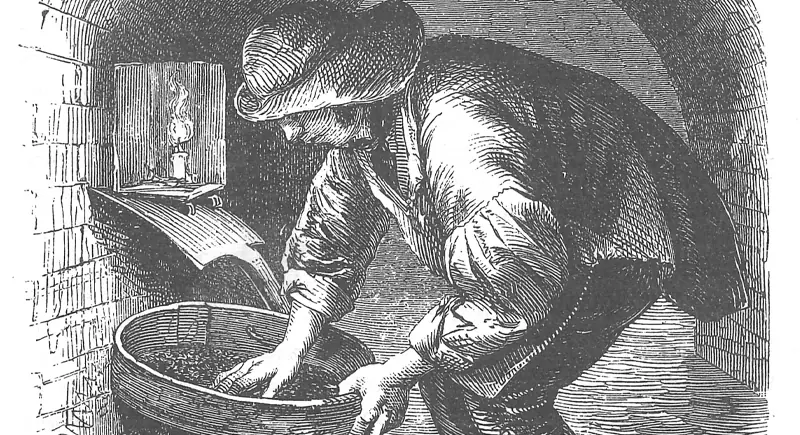
Scavengers known as toshers searched London’s sewers for coins, scrap metal, or anything they could sell. The work was illegal after 1840, so they operated at night using lanterns. The risks included gas buildup, rat bites, and sudden flooding. Despite all that, some earned more than many legal laborers.
Pure Finder
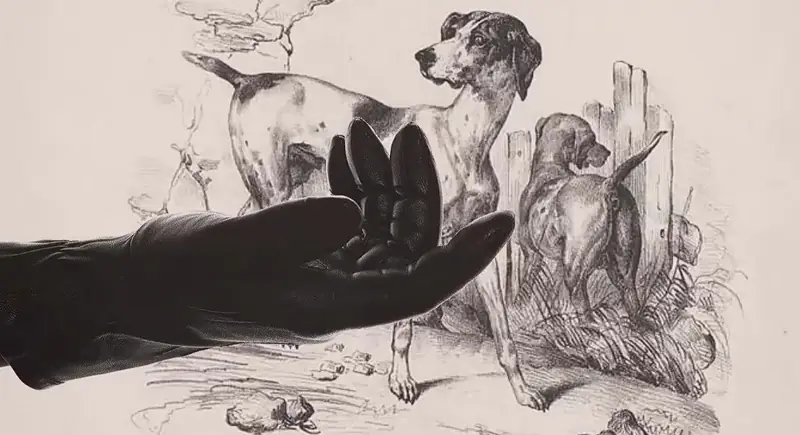
In 19th-century London, leather tanning relied on dog feces, known as “pure,” to soften hides. Pure finders walked city streets collecting dog droppings to sell to tanneries. At first, the job paid well because few did it. However, as more people entered the trade, pay dropped, and demand shrank.
Petardier
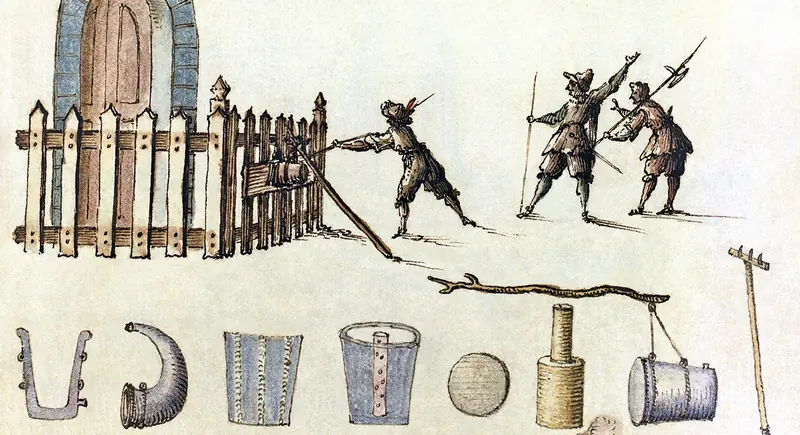
Military engineers or petardiers had one job, which was to blow holes in enemy walls. They hauled 100-pound explosives called petards toward enemy fortifications during sieges. The devices usually exploded early and killed their handlers. Even without accidents, they faced incoming fire with little protection. The phrase “hoisted by his own petard” came directly from their frequent deaths by misfire.
Gong Farmer
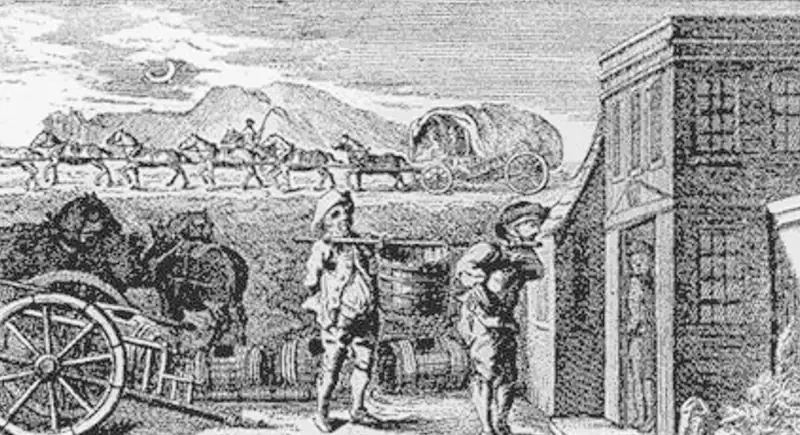
Working through the night, gong farmers emptied cesspits beneath public toilets and hauled human waste beyond city limits. The work involved shoveling heavy loads into carts and moving them through narrow streets. Methane fumes made each trip dangerous, and the smell clung to clothing and skin.
Sin Eater
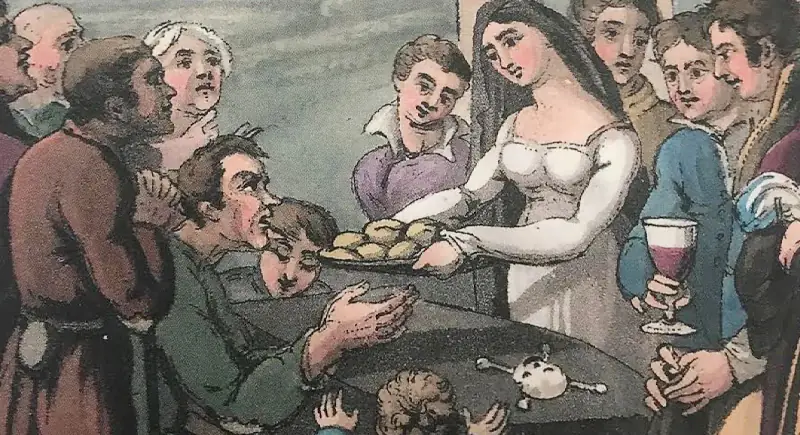
Rural communities in 18th-century Britain believed bread could absorb a dead person’s sins. Sin eaters were compensated to eat that bread, symbolically taking on the deceased’s wrongdoings. Families wanted a clean soul for burial, but they didn’t want to touch the sin eater afterwards. These men became feared and avoided, seen as spiritually tainted.
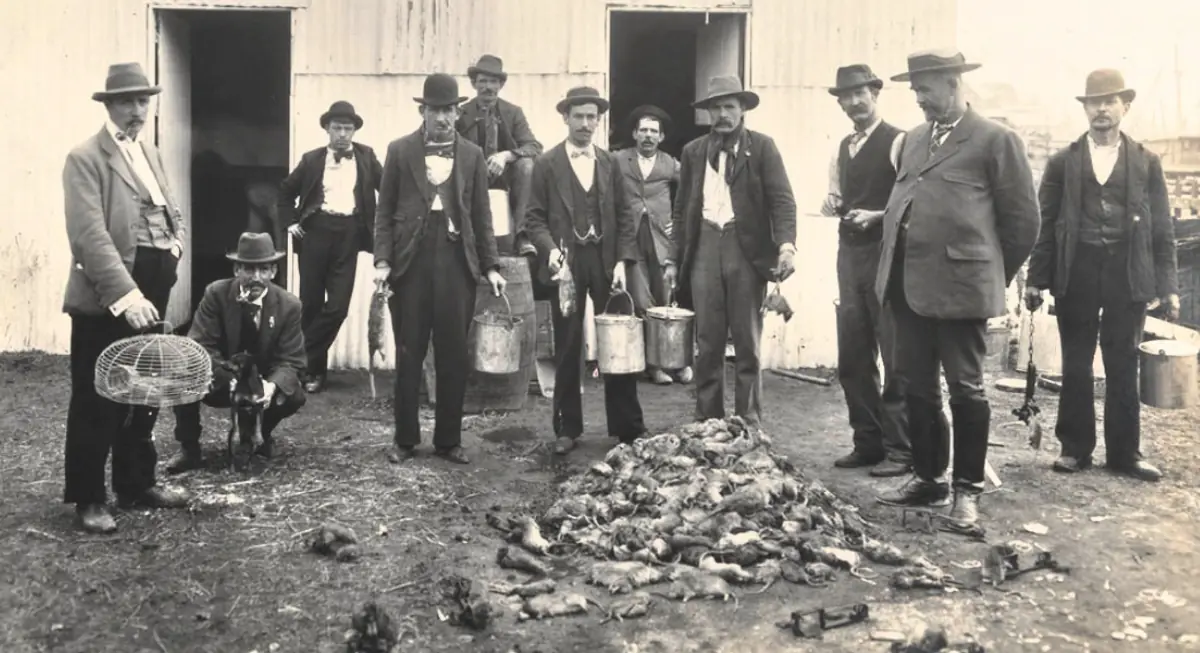
Rat Catcher
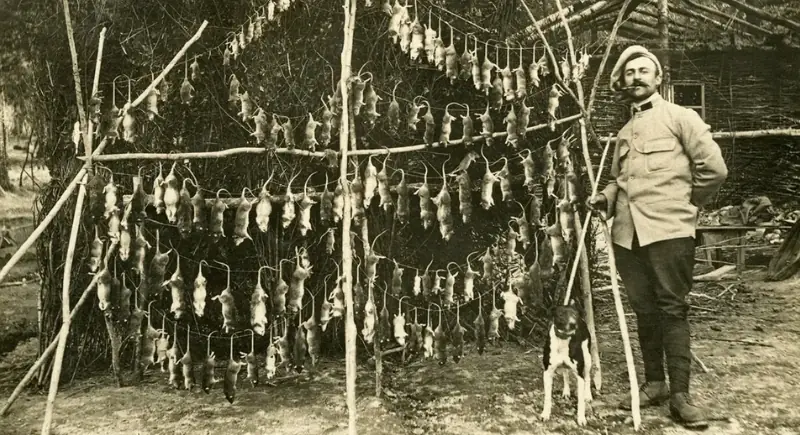
Controlling rats in 19th-century cities required speed and bare hands. Rat catchers used oils to lure rodents from hiding, then grabbed them alive. Many were bitten and later infected. They were paid per rat, so handling speed mattered. Some sold rare rats to the wealthy as pets or to taverns for fights. Jack Black, Queen Victoria’s personal rat catcher, even bred his own varieties.
Lime Burner
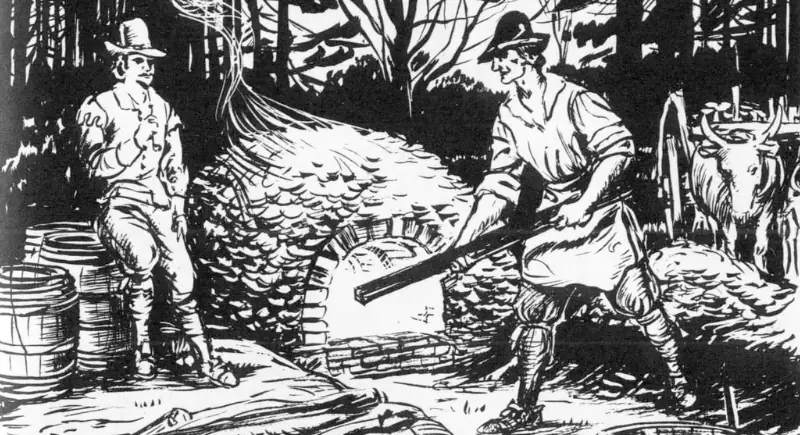
Exposure to heat, dust, and fumes left lime burners with burns, breathing problems, and permanent damage to their lungs. This is because producing quicklime required heating limestone in kilns that reached 800°C. Laborers stood near open flames and inhaled carbon monoxide and chalk dust for hours without protection.