Every time Porsche resets expectations for road car performance, it usually traces back to something learned at full racing speed first. Over the last twenty years, the company has entered one of its most aggressive innovation periods. These models capture moments when Porsche rewrote its own engineering playbook.
Taycan Turbo GT
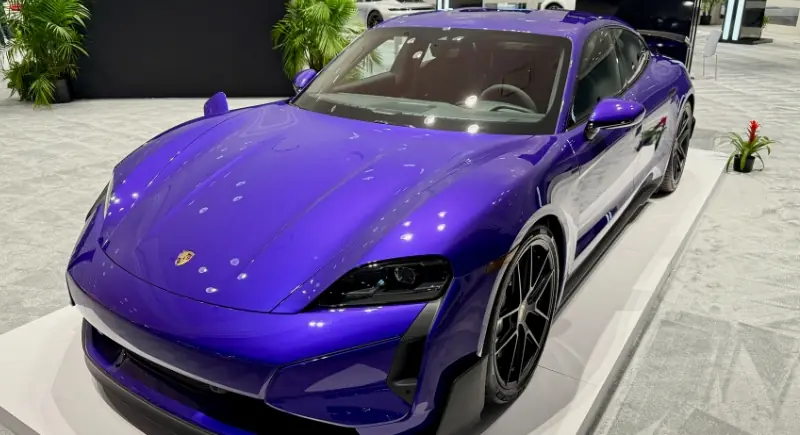
Porsche developed the Taycan Turbo GT with the goal of setting Nürburgring lap records for electric cars. In overboost mode, output climbs to around 1,034 PS, but the key achievement is its sustained performance. The Weissach Package removes the rear seats and adds more aggressive aerodynamics, which allows the car to deliver repeatable track performance.
Taycan Turbo S
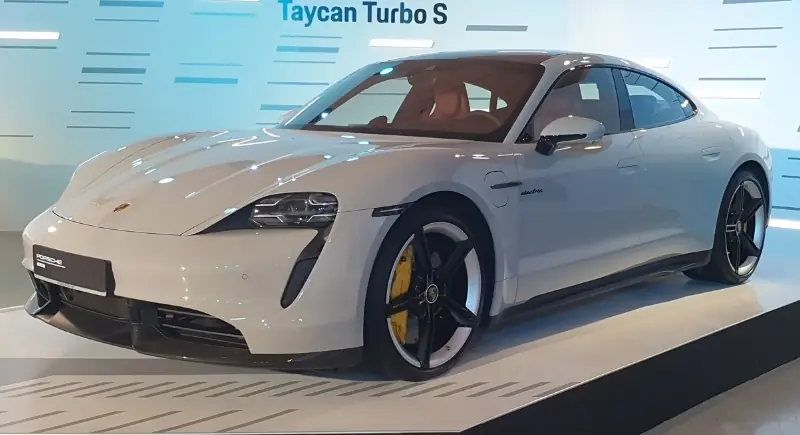
Many drivers first experienced the Taycan Turbo S through launch-control demonstrations that delivered extreme, instant acceleration. The overboost output is around 952 PS, but the standout detail for reviewers was consistency. Performance remained strong across repeated launches, supported by aggressive battery cooling and carefully tuned software that manages power delivery under sustained load.
918 Spyder
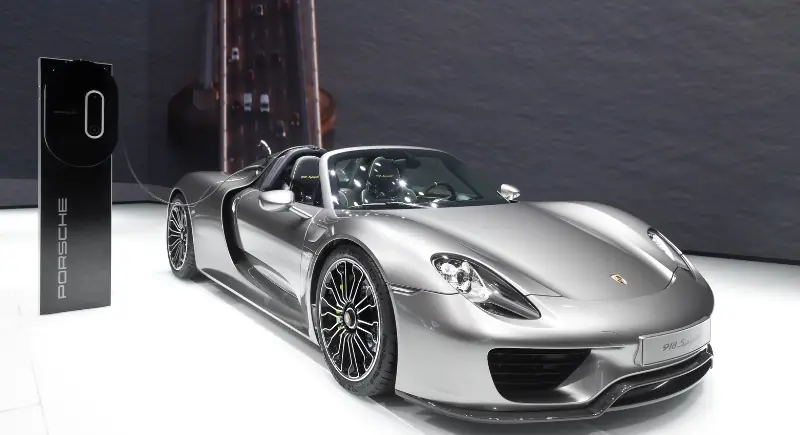
The development of the 918 Spyder began with a question: could hybrid technology actually make a car faster, not just more efficient? Using endurance-racing energy-recovery concepts, Porsche developed a system that delivered about 887 PS while instantly filling torque gaps. The car could move silently through cities, then deliver full race-derived performance minutes later on track.
Taycan Turbo
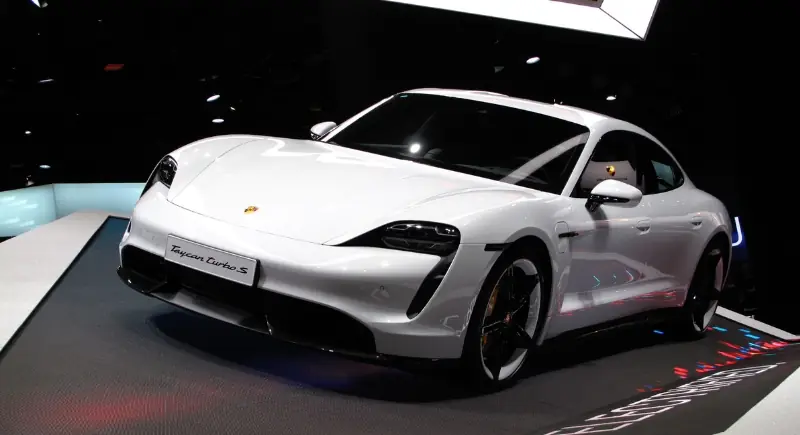
Early Taycan Turbo buyers often came from traditional Porsche sports cars and expected a familiar steering feel and throttle response. Delivering roughly 884 PS was only part of the challenge. Engineers focused heavily on software tuning and the two-speed rear transmission to maintain strong acceleration at highway speeds, something many early EVs struggled to achieve.
Panamera Turbo S E-Hybrid
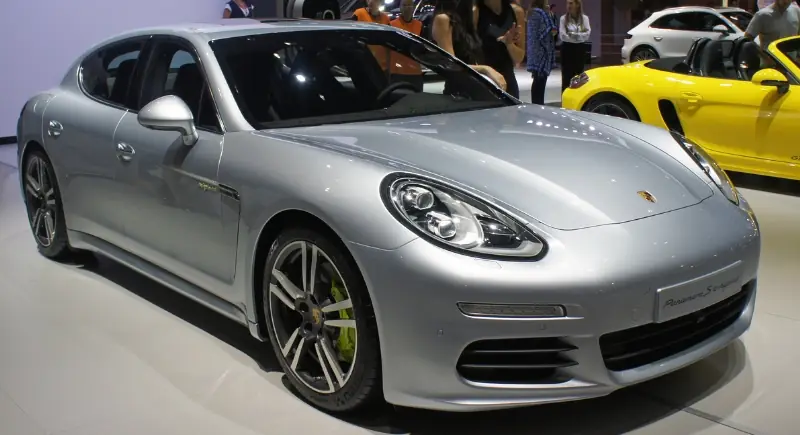
Luxury sedan buyers rarely expect launch acceleration on par with dedicated sports cars, which is exactly the gap this model targeted. The Panamera Turbo S E-Hybrid combines a twin-turbo V8 with electric boost to reach roughly 782 PS. Many owners use electric mode for city driving, then rely on full system power for long highway overtaking.
Cayenne Turbo E-Hybrid Coupe
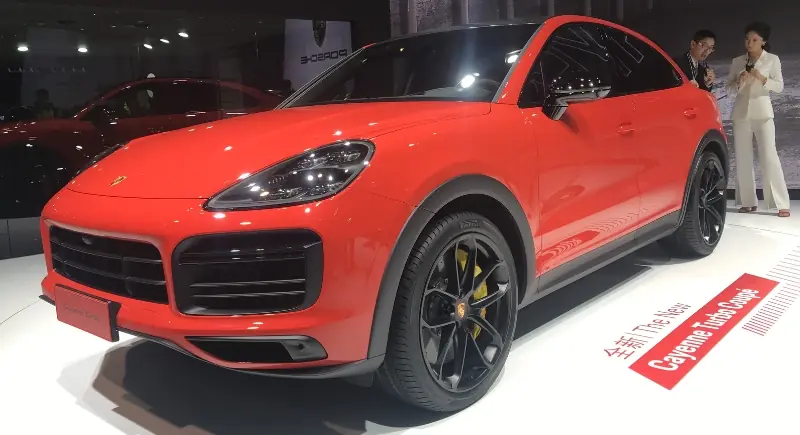
When Porsche first put hybrid systems into SUVs, many buyers assumed efficiency was the main goal. In this case, the hybrid hardware exists mainly to support acceleration bursts and sustained high-speed loads. The roughly 739 PS system lets the Cayenne deliver sports-car launch performance while still carrying passengers and cargo like a full-size luxury SUV.
911 Turbo S
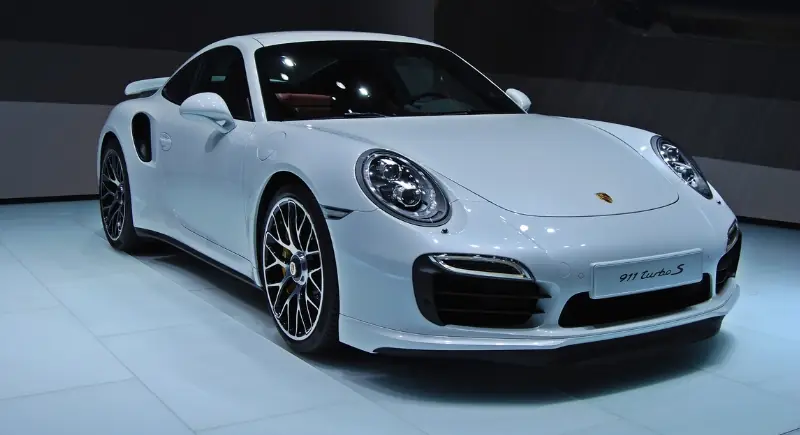
Press the launch control in a 911 Turbo S, and the car squats hard before firing forward with roughly 711 PS. The twin-turbo flat-six works with Porsche’s latest torque management software, constantly shifting power front to rear in milliseconds. Decades of Turbo development are evident in how stable the car remains during repeated high-stress acceleration runs.
911 GT2 RS
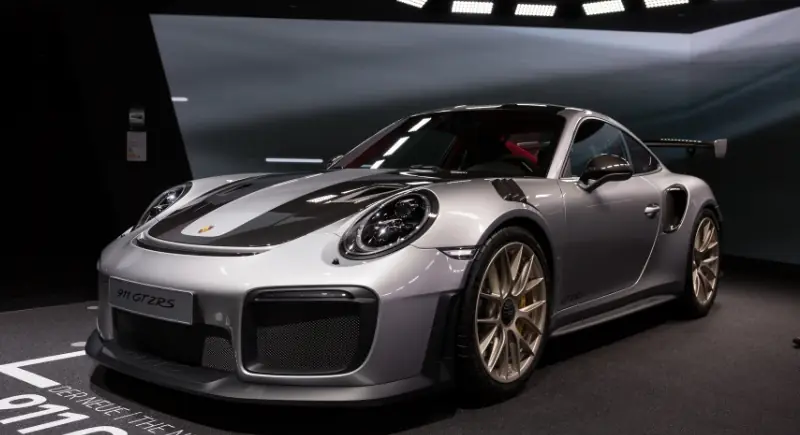
Track engineers obsessed over tyre load limits and heat buildup while developing the GT2 RS. Sending roughly 700 horsepower through only the rear wheels required massive tire width and extreme aero stability. Nürburgring record runs turned the car into a modern benchmark for how far rear-wheel-drive performance can realistically go.
Taycan GTS
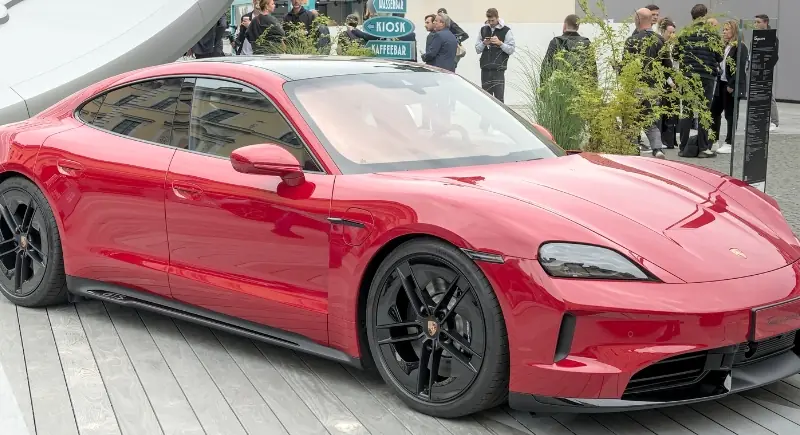
Inside Porsche’s lineup, GTS models usually exist for drivers who want the sharpest road feel. The Taycan GTS follows that philosophy by tuning suspension and steering response more aggressively than lower trims. Around 700 PS still delivers huge acceleration, but the focus remains on driver feedback.
Panamera Turbo E-Hybrid
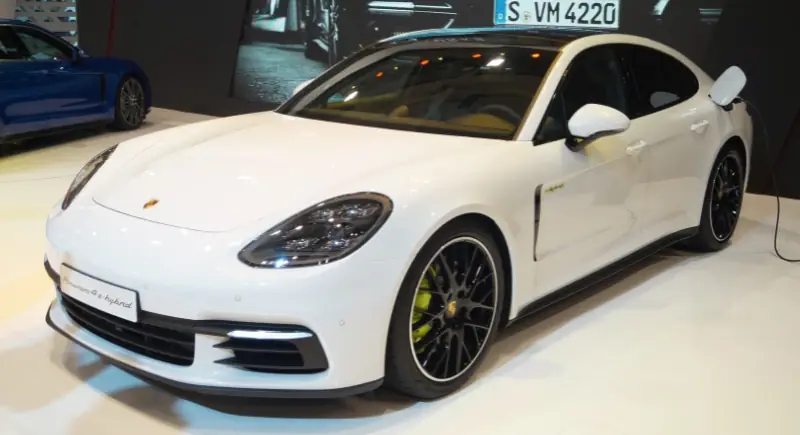
Development of the Panamera Turbo E-Hybrid was centred on how owners actually use high-performance sedans: long highway drives, steep elevation climbs, and heavy-load acceleration with passengers and luggage onboard. The hybrid system’s roughly 680 PS output is calibrated to deliver immediate surge at mid-range speeds, where real-world passing and mountain-road acceleration happen most often.