
Refinancing a mortgage with bad credit sounds like a headache, right? But the truth is, there are more options out there than you’d expect, even if your credit score makes lenders wince. Here’s a look at how folks are making it happen.
FHA Streamline Refinance
The Federal Housing Administration backs this, which is ideal for those who already have an FHA loan. You don’t need an appraisal, and income verification isn’t required. Credit score isn’t a dealbreaker either, many lenders accept scores as low as 580, and some even go down to 500 with larger equity.
VA Refinance (IRRRL)

This could be gold for a qualifying veteran. The Interest Rate Reduction Refinance Loan (IRRRL) skips the credit check for many applicants. There’s no need for a home appraisal, and it often means lower monthly payments. You must already have a VA loan, though. It’s fast, simple, and can save serious money.
Home Equity Loan

If you’ve built up some equity, even with bad credit, you could qualify for a home equity loan. It’s a second mortgage, but with a fixed interest rate. Lenders focus more on equity and less on credit. Just keep in mind: you’re betting your house on it, so missing payments isn’t an option.
Cash-Out Refinance

In a cash-out refinance, you replace your existing mortgage with a new one for more than you owe, and take the difference in cash. The credit requirements are under 620, so it gets trickier, but not impossible. Some lenders work with scores as low as 580, especially if you’ve got 20% equity or more.
Find A Non-Qualified Mortgage Lender

Non-QM lenders don’t play by the usual rules. They use alternative ways to figure out if you’re a good risk, like bank statements or rental history. These lenders often charge higher interest and fees, but they’ll consider you even if your credit score is in the 500s.
Get A Co-Signer

Bringing in someone with stronger credit can help. A co-signer makes the lender feel safer, so you’re more likely to get approved or snag a lower rate. However, missing payments could lead to your credit score taking a hit. That’s a big deal, especially if you’re related.
Wait And Improve Your Score First

Sometimes the smartest move is to hold off. Boosting your score by even 50 points could mean better loan terms. Pay down balances and dispute errors on your credit report, and avoid opening new lines of credit. Small tweaks can shift your rate by a full percentage point.
Try A Credit Union
Credit unions are often more flexible than big banks. They’re member-owned, so they don’t always follow the same strict guidelines. Many are more willing to work with lower credit scores and might even skip PMI with enough equity. It’s worth calling a few local ones to compare.
Look For Lenders That Do Manual Underwriting

Most big lenders rely on algorithms to approve loans, but some smaller shops still do it old-school. Manual underwriting means an actual person reviews your file. If your story makes sense (even if your credit doesn’t) you might still get approved. You’ll need to show steady income and low debt.
USDA Refinance
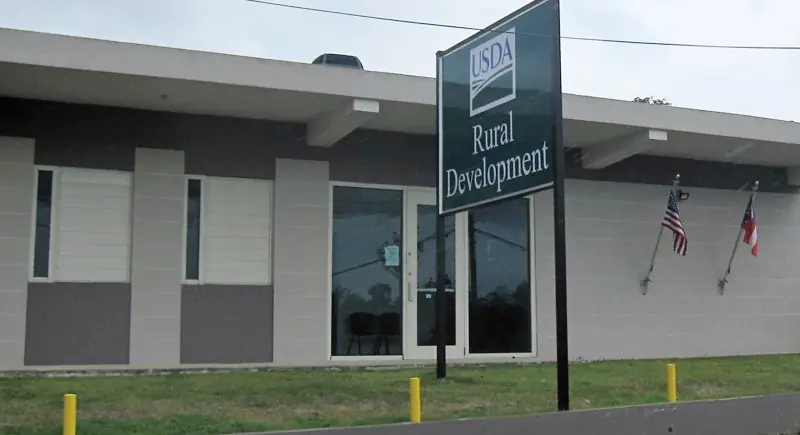
Those living in a rural area and already have a USDA loan may qualify for a streamlined USDA refinance. Credit score requirements can go as low as 580, and there’s often no appraisal required. You’ve got to live in a USDA-eligible zone, though, so double-check the map.
Subprime Lenders

Subprime doesn’t always mean shady. These lenders specialize in higher-risk borrowers and accept scores well below 620. Rates are higher (sometimes much higher) but for people in a tight spot, it’s a lifeline. Look for lenders with good reviews and transparent fees. The goal is to refi again later at a better rate.
Refinance With Your Current Lender

Paying on time pays off because your current lender may cut you a break. Some offer streamlined refinancing or loyalty perks. They already have your payment history, so you can secure a better deal than if you started fresh elsewhere. Don’t assume, just ask what they’ve got for you.
Check For State Programs

Many states offer refinance assistance to homeowners with low credit scores or those experiencing financial hardship. These aren’t advertised heavily, but they’re legit. You may find lower interest rates, grants, or assistance with closing costs. Hit up your state housing agency website or talk to a local housing counselor.
Shop Around Aggressively
Rates vary wildly, especially if your credit is under 600. One lender might reject you, another might offer 7.5%, and a third might offer 6.2% with points. Apply with at least three lenders in the same two-week window to minimize credit score impact. Use that to play offers against each other.
Work With A Mortgage Broker

Brokers have access to multiple lenders, including those that specialize in bad credit. They know which ones are likely to approve your file and can steer you in the right direction. Some charge fees, others get paid by the lender. Either way, they can save you hours of rejection.
Fannie Mae RefiNow

RefiNow is for homeowners whose current loan is owned by Fannie Mae. That matters. The program is designed for borrowers at or below 100% of the area median income, with no missed payments in the past 6 months and no minimum credit score requirement. It must also lower the rate and the monthly payment.
Freddie Mac Refi Possible
Refi Possible works in the same lane, but Freddie Mac must own the loan. It targets low- and moderate-income borrowers who want a more manageable payment. There is no minimum Indicator Score, but a usable score must be reported. Income generally must remain at or below 100% of the area median income.