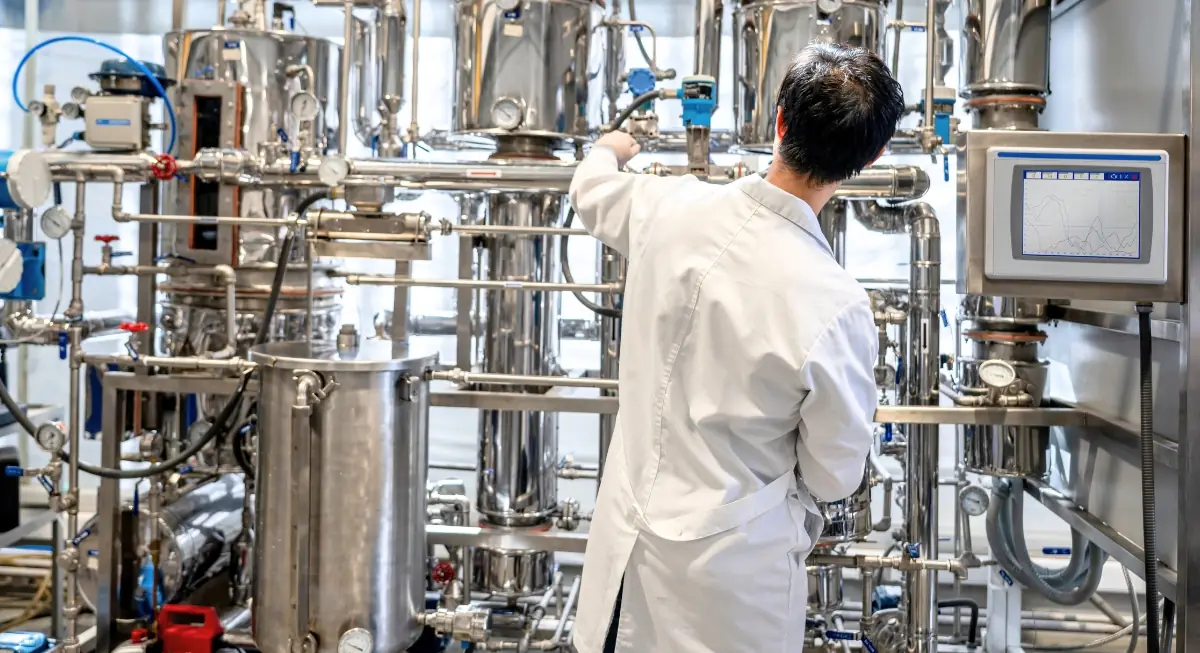
Distilling no longer has to be learned in back rooms or through years of trial and error. Students can now learn it in classrooms and hands-on labs. These programs teach how fermentation, cuts, and proofing actually work, how alcohol laws affect production, and what running a still looks like during a normal workday.
East Tennessee State University
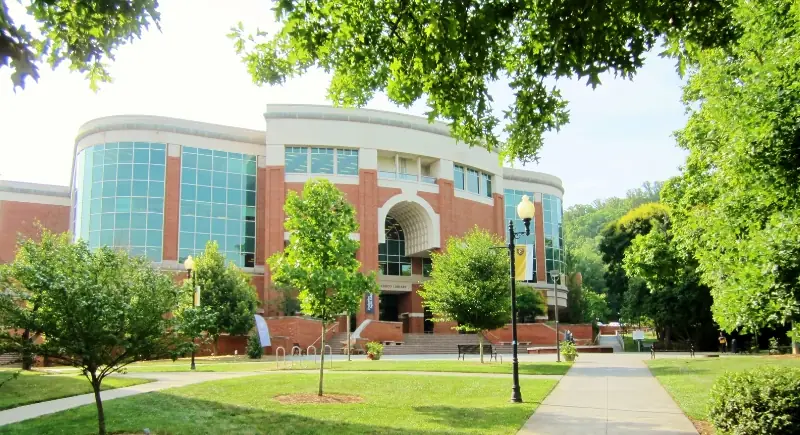
At East Tennessee State University, distilling shows up alongside chemistry labs and business lectures. Students might spend one afternoon breaking down fermentation variables, then the next talking about pricing models and distribution limits. Because many are enrolled in full bachelor’s programs, classes skew toward students considering long-term careers.
Grayson College
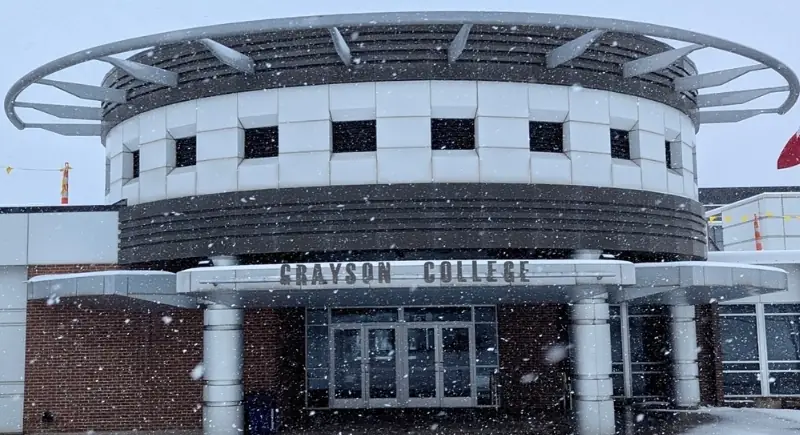
Grayson College’s distilling programs focus on day-to-day production work. The associate degree and certificate tracks cover mash bills, equipment setup, cleaning procedures, and compliance paperwork. Many students balance classes with jobs, which keeps discussions centered on how small distilleries are built and run in practice.
Motlow State Community College
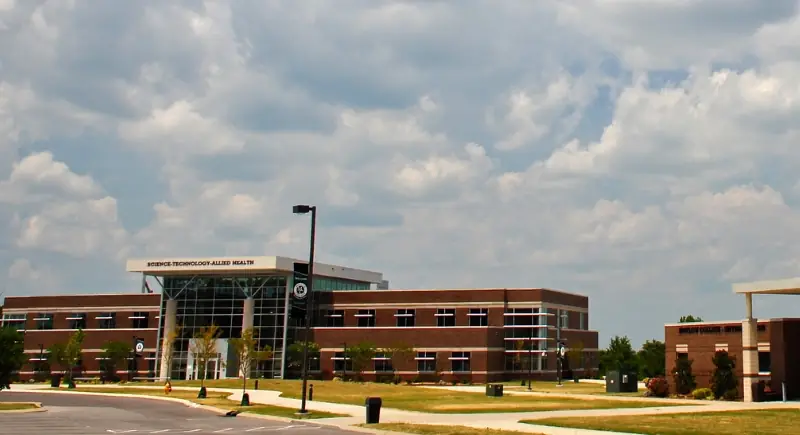
The spirits program at Motlow State Community College reflects its proximity to working whiskey distilleries. Students work through real scenarios involving sourcing, safety decisions, and production setbacks that mirror what happens in Tennessee facilities every day. Coursework combines fermentation science with regional history, and guest speakers regularly come from nearby producers.
Point Park University
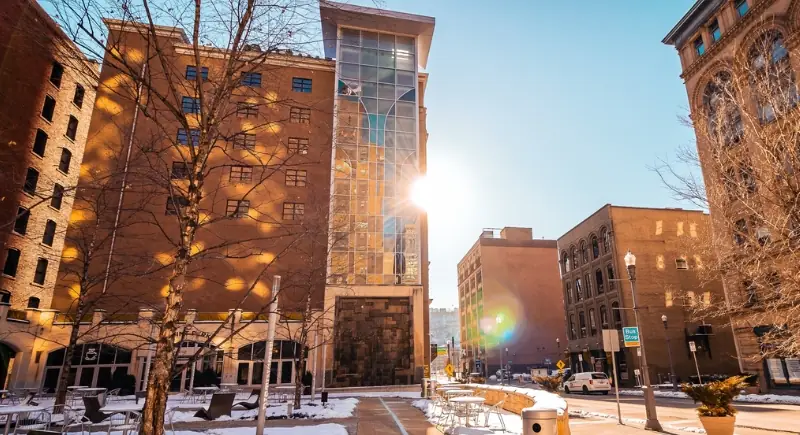
Point Park University’s ten-week Distilling Science Academy packs intensive training into a short schedule. Classes often run for six hours at a stretch and draw mid-career professionals who want a clear view of the work before moving forward. Regular site visits ground the program, showing how real distilleries handle workflow, staffing, and limited space.
Sacred Heart University
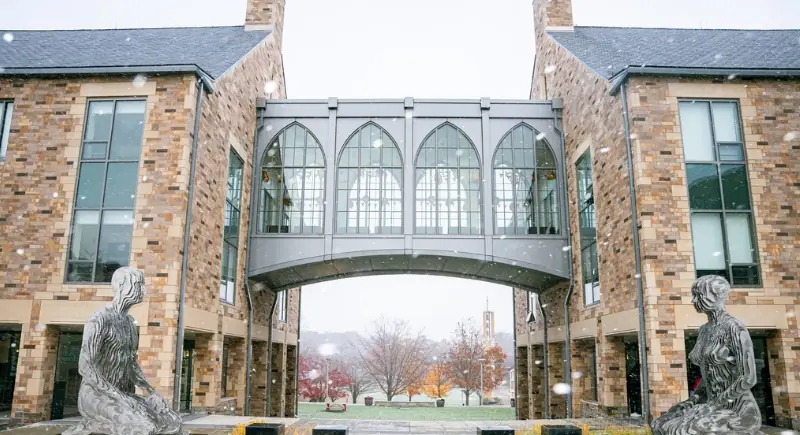
Sacred Heart University designed its distilling certificate for people with full schedules. Evening and weekend classes mean students often arrive straight from work. Coursework balances production science with beverage law and sanitation, and the required internship places students inside licensed facilities where they see how theory translates into regulated daily operations.
University of Kentucky
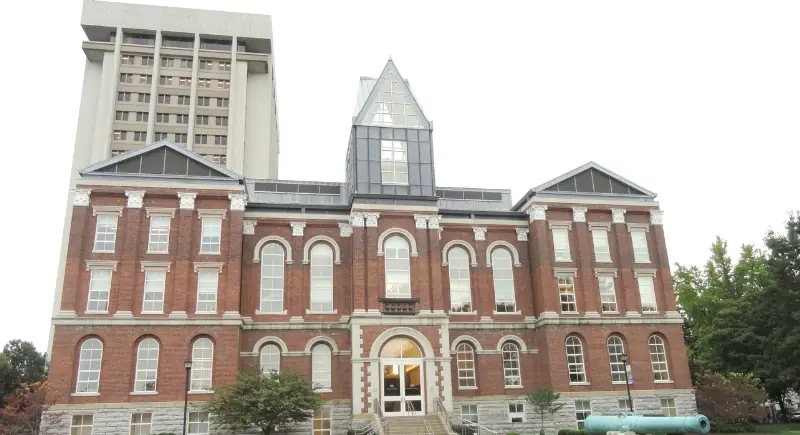
At the University of Kentucky, most distilling coursework runs through the James B. Beam Institute, where classes follow real production timelines. Students work through fermentation schedules, barrel handling, and sensory training that match commercial rhythms. Because the program spans multiple departments, discussions also cover tourism, product development, and bourbon’s role in the state’s economy.
University of Louisville
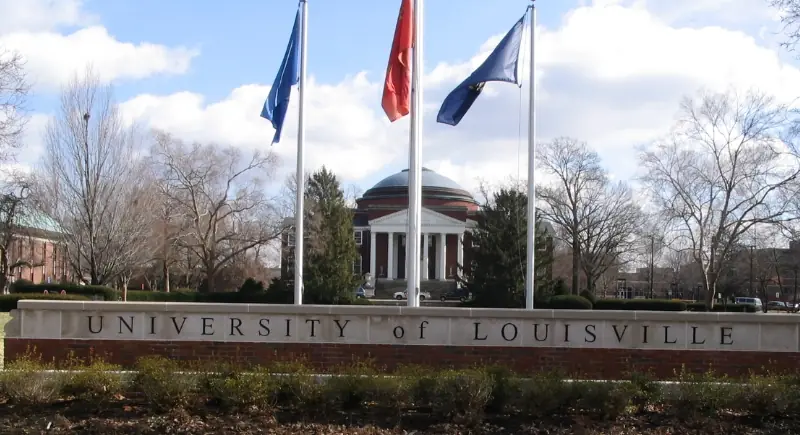
The University of Louisville’s distilled spirits certificate is designed for people already working in the industry. The program runs online in tight five-week blocks, which push classes toward hands-on problem-solving. Discussions often draw on real situations, such as a distributor holding up a shipment or a regulation shifting halfway through a term, and treat them as issues to work through rather than hypotheticals.
Michigan State University
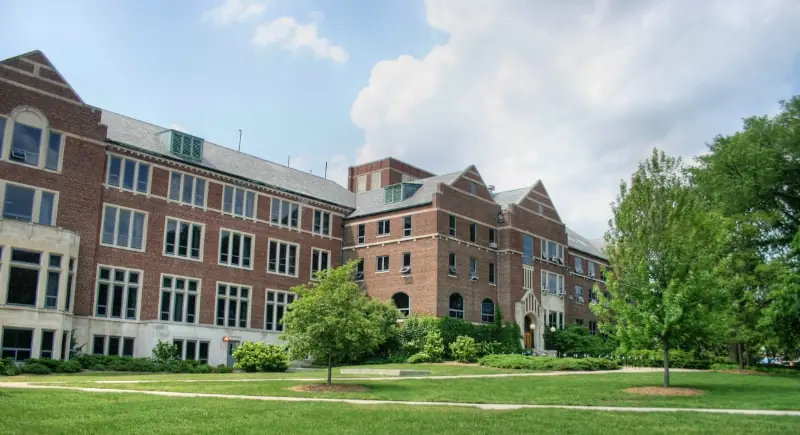
Students at Michigan State University usually enter the distilling minor with solid lab experience already in place. The program sits within science-heavy majors, so fermentation is approached as a controlled, measurable process rather than a creative one. Lab sessions emphasize repeatability, data tracking, and process stability, which is why many graduates move toward engineering, research, or technical operations roles.
Heriot-Watt University
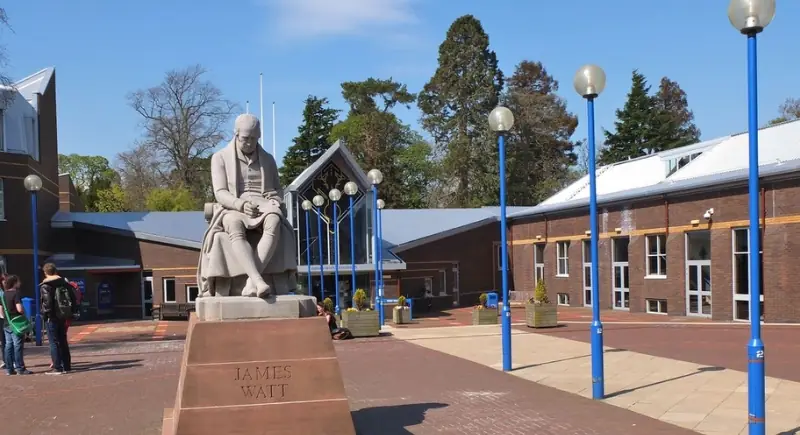
Students entering the distilling programs at Heriot-Watt University aren’t browsing career options. Most arrive with chemistry or engineering backgrounds and a clear idea of where they want to land. Coursework moves quickly through production theory and applied research, and industry recruitment stays close to campus. The program functions more like a pipeline than a survey course.
Moonshine University
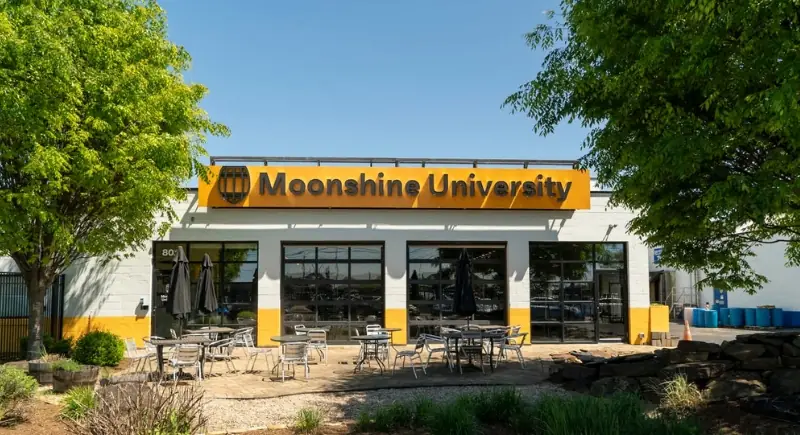
There’s no easing into distilling at Moonshine University. Classes drop participants straight into equipment handling, safety protocols, and licensing realities. Many attendees show up with floor plans, cost estimates, or pending permits already in hand. It’s common for discussions to pause while someone checks a floor plan or recalculates equipment costs they brought with them.