
Gig work opens doors. You pick your projects and skip the office politics. But scammers love a good opportunity, too. They’ve found clever ways to target gig workers, especially those new to the game or juggling multiple gigs. These tricks can cost you time, money, and sometimes even your identity. Here are 10 scams every gig worker should learn to spot before clicking “accept.”
Fake Client with Too Much Praise

This scam leans hard on ego. A stranger appears impressed before any real conversation happens and treats your skills like a rare discovery. The flattery is then followed by urgency and a request to switch platforms or open unfamiliar files. Real clients tend to ask questions first. Over-the-top admiration early on usually signals someone trying to rush past basic scrutiny.
Overpayment with a Twist

An unexpected bonus sounds great until it becomes a problem. Scammers send a payment that looks real, then claim an error and ask for a refund. Once the refund is sent, the original transaction is no longer available. Banks often reverse fraudulent deposits days later, which leaves gig workers responsible for money they no longer have.
Ghost Gigs on Messaging Apps

Job posts that drift into private messaging often disappear the same way. Platforms like Telegram and WhatsApp offer no safety net once things go sideways. Scammers prefer these channels since there’s no moderation or record to reference later. Staying inside the original platform keeps payment logs and basic protections intact.
Bogus App Downloads

Phony clients might ask you to download a “project management app” or install tools they claim are needed for the gig. What you’re actually getting is spyware. Some fake apps even mimic real gig platforms. Before installing anything, look it up in a verified app store and read the developer details carefully.
Fake Job Offer as a Way to Steal Info
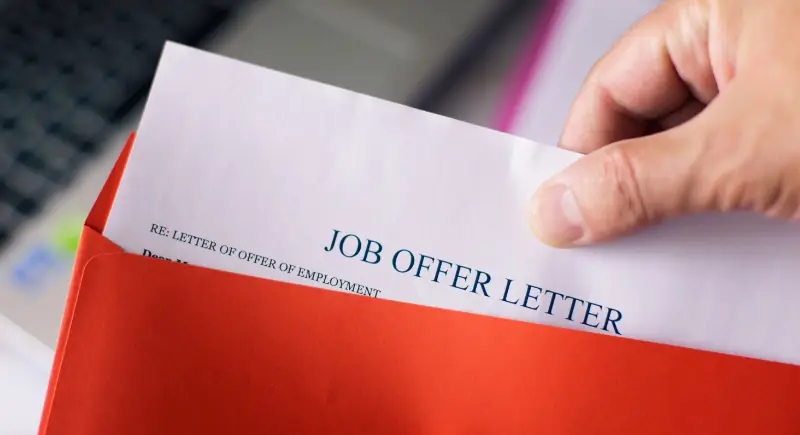
Freelancers often get requests for ID verification before being “hired.” But if the job doesn’t pan out and the person vanishes right after you’ve shared your documents, there’s a good chance it was a scam. Those details can be used to open accounts or commit fraud in your name.
Gig Flipping Without Consent

You do the work, someone else gets paid double for it. That’s gig flipping. It’s not technically illegal, but when it happens without your knowledge or payment, it’s a problem. Scammers recruit underpaid freelancers and sell them as their own. It’s common in writing, design, and development gigs.
Fake Reviews for Hire

Some scammers pay gig workers to leave positive reviews or ratings for fake products or services. The job seems harmless until your name gets flagged on review sites or your account is suspended. In some cases, the “employer” disappears before paying you for the review.
Check Scams Still Happen
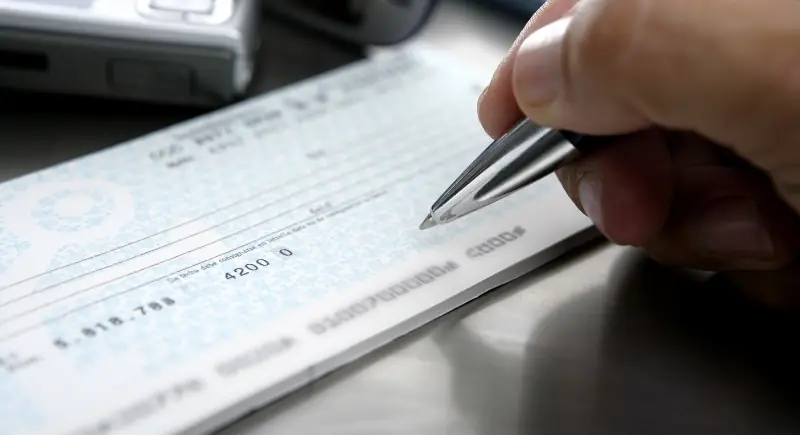
Yes, physical checks are still part of the scam toolkit. You’re hired, mailed a check for equipment or fees, told to deposit it, and forward part of the money elsewhere. The bank clears it, then bounces it days later. You’re left owing money and having to explain what happened to your bank.
“New Client” Who Already Knows Too Much

Messages that reference your past projects in uncanny detail can feel reassuring. In reality, scraped profiles and automated tools make this easy. The goal is trust. Once that’s established, requests shift toward external links, file downloads, or advance payments. Familiarity can be manufactured faster than most people expect.
Portfolio or Sample Theft

Unpaid tests and “small trial tasks” remain a favorite scam tactic. The scammer collects usable work, then disappears. Creative professionals report seeing their samples resurface online under different names. Watermarks and limited previews reduce risk. Legitimate clients rarely need full deliverables before contracts are in place.a