Finding the right balance between home life and doing meaningful work as an employee or entrepreneur can be hard. Society has become more focused on helping people find that balance. Between productivity hacks that help us get more work done in fewer hours to childcare options that alleviate the stress of parents, there are countless ways we’re creating a better balance.
“The ability to successfully combine work, family commitments and personal life is important for the well-being of all members in a household,” says the Organization for Economic Cooperation and Development (OECD). “Evidence suggests that long work hours may impair personal health, jeopardize safety and increase stress. Furthermore, the more people work, the less time they have to spend on other activities, such as personal care or leisure. The amount and quality of leisure time are important for people’s overall well-being and can bring additional physical and mental health benefits.”
To give people a better idea of work-life balance, the OECD created the Better Life Index and compared well-being across countries. Take a look at which countries have the best work-life balance.
40. Colombia
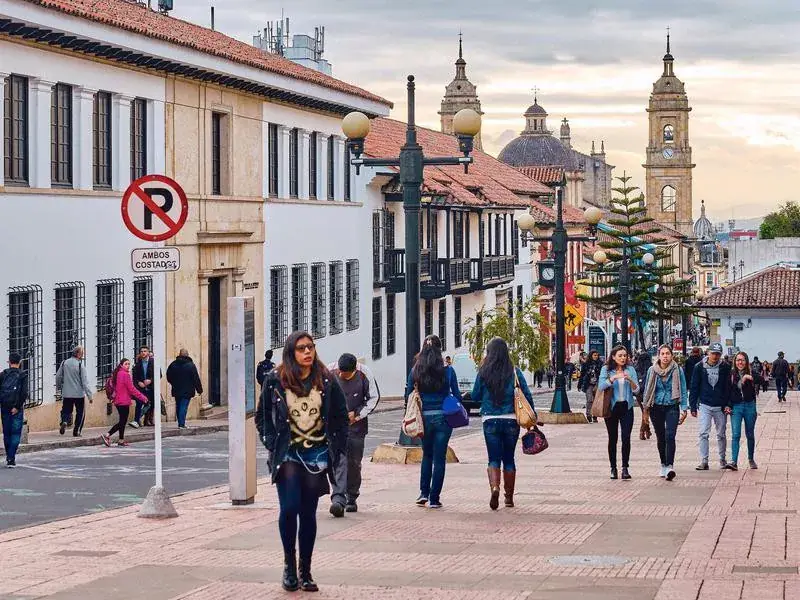
Note: The OECD has two big factors for its index: percentage of employers reporting long working hours (50 or more per week) and time spent on outside-work activities for personal care or leisure. A full-time worker spends 63 percent of the day on average, or 15 hours, on outside-work activities. Population: 49 million GDP: $709 billion ($14,392 per capita) Main industries: Agriculture, mining, electronics, construction, energy, tourism Unemployment rate: 10.5 percent Employees working long hours: 26.6 percent Time devoted to leisure and personal care: 12 hours
Bottom Line: Colombia

Colombians have the worst work-life balance out of all countries studied, the OECD found. Colombians spend half of their entire day on work, leaving only 12 hours for themselves — and keep in mind, that includes sleep. Those lucky enough to get eight hours of shuteye only have four hours of personal time.
39. Mexico

Population:129 million GDP: $2.57 trillion ($20,660 per capita) Main industries: Agriculture, tourism, plastics, automobiles, textiles, food processing, electronics (televisions, computers), oil, banking, financial services Unemployment rate: 3.5 percent Employees working long hours: 28.7 percent Time devoted to leisure and personal care: 12.4 hours
Bottom Line: Mexico

Nearly 29 percent of Mexicans work long hours, much longer than OECD’s average. Yet despite this, Mexico has the highest child poverty rate in the OECD. Nearly one in four Mexican children live in impoverished households (OECD’s average is one in eight).
38. Turkey
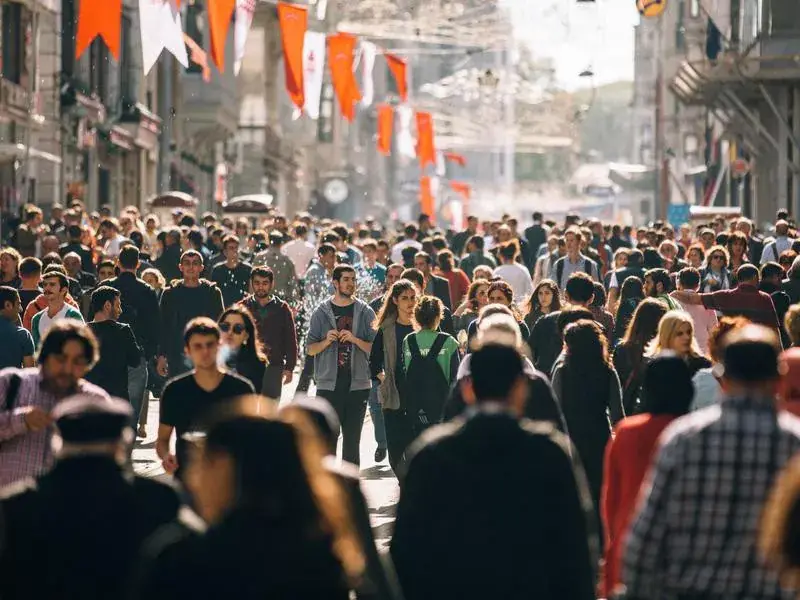
Population: 80 million GDP: $2.31 trillion ($28,455 per capita) Main industries: Textiles, food processing, automobiles, mining, petroleum refining, energy, forestry Unemployment rate: 10.9 percent Employees working long hours: 32.6 percent Time devoted to leisure and personal care: 14.8 hours
Bottom Line: Turkey
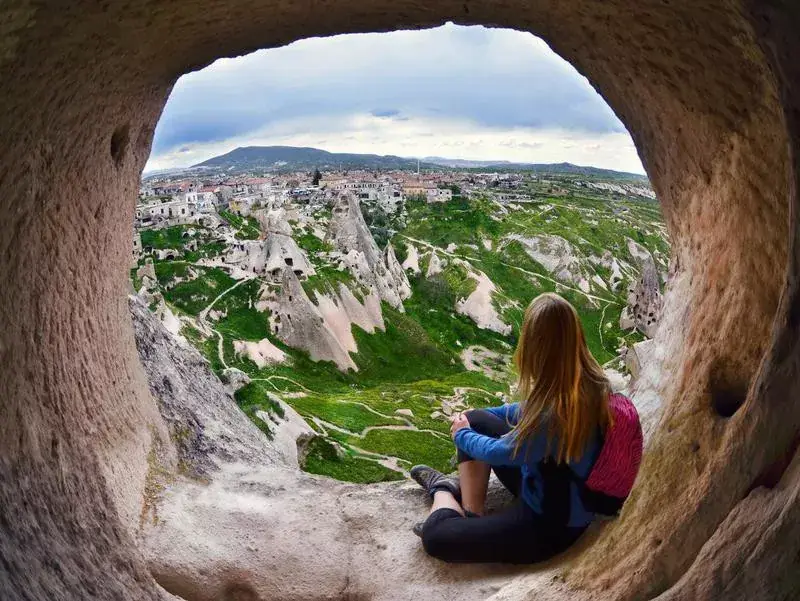
Turkey came in last on OECD’s list when it comes to working long hours, with about 33 percent of workers report having long hours on the job. But that doesn’t mean the Asian country doesn’t know how to have fun. Full-time employees spend about 62 percent of their day on personal tasks like sleeping and eating or leisure activities like socializing with friends, playing games and consuming media.
37. Korea

Population: 51.4 million GDP: $2.17 trillion ($42,136 per capita) Main industries: Electronics, telecommunications, automobiles, chemicals, shipbuilding, steel Unemployment rate: 3.8 percent Employees working long hours: 25.2 percent Time devoted to leisure and personal care: 14.7 hours
Bottom Line: Korea

Korea has a big influence on pop culture around the world, so they know life is not all about work. Still, at 25 percent, the percentage of employees in Korea who work long hours is double the OECD average of 11 percent. Outside of work, full-time employees say they have more than half a day for their pursuits.
36. Japan
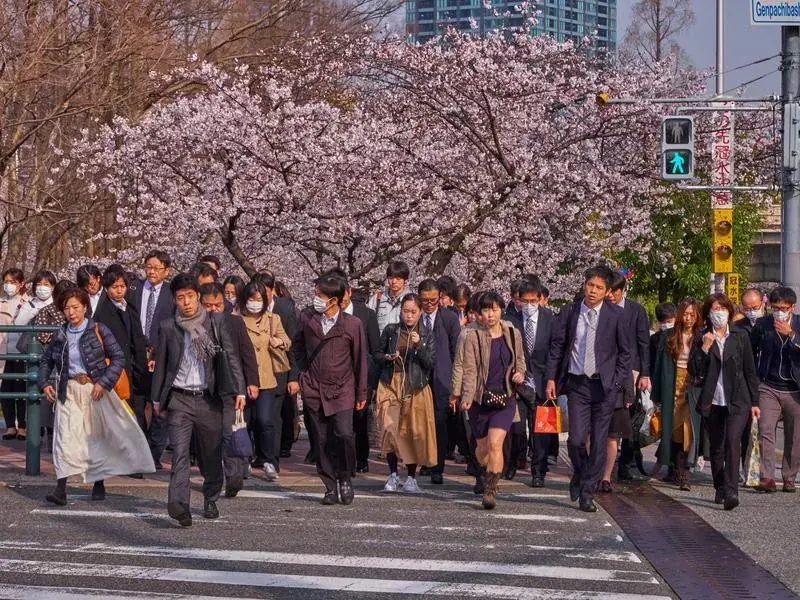
Population: 126.8 million GDP: $5.23 trillion ($41,364 per capita) Main industries: Fishing, food processing, automobiles, mining, petroleum refining, tourism, banking and financial services, transportation, insurance Unemployment rate: 2.4 percent Employees working long hours: 17.9 percent Time devoted to leisure and personal care: 14.4 hours
Bottom Line: Japan

Japan is famous for its focus on work ethic. While nearly 18 percent of workers report working long hours, they still find time to unwind. Full-time workers have about 14 hours a day on average for hobbies and activities outside of their jobs.
35. Israel

Population: 8.7 million GDP: $357.63 billion ($40,269 per capita) Main industries: Computers, communications equipment, aerospace, defense, computer hardware and software, pharmaceuticals, metallurgy, chemicals, plastics, diamond working, banking and financial services, petroleum refining, textiles Unemployment rate: 3.8 percent Employees working long hours: 15.4 percent Time devoted to leisure and personal care: 13.7 hours
Bottom Line: Israel

A bit more than 15 percent of Israeli workers report being on the job for long hours. Full-time workers set aside close to 14 hours a day on average for their personal care and other activities like socializing, hobbies and media consumption. They understand that all work and no play is not good for anyone.
34. Chile

Population:18.05 million GDP: $463.79 billion ($24,709 per capita) Main industries: Mining, fishing, food processing, forestry, banking and financial services, textiles Unemployment rate: 7 percent Employees working long hours: 9.7 percent Time devoted to leisure and personal care: 13.3 hours
Bottom Line: Chile
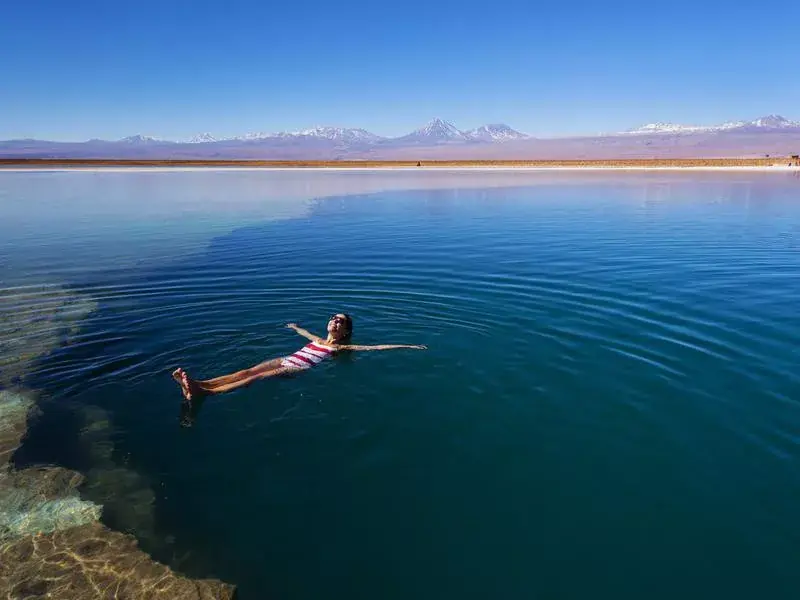
Chile has become more popular as a place to visit in the last few years, but it’s still an underrated country. Keeping it that way is fine with the locals. Nearly 10 percent of employees in the South American nation work extended hours. On average, full-time workers only spend a little more than 13 hours a day on eating, sleeping and leisure pursuits.
33. Iceland
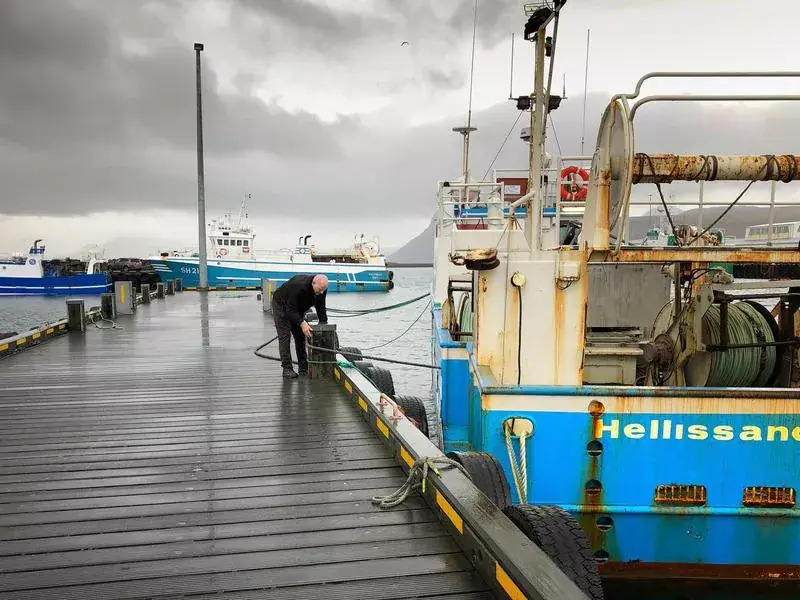
Population: 364,260 GDP: $21 billion ($58,470 per capita) Main industries: Tourism, fishing, energy, pharmaceuticals, metal working Unemployment rate: 2.7 percent Employees working long hours: 15.1 percent Time devoted to leisure and personal care: 14.1 hours
Bottom Line: Iceland

About 15 percent of workers in Iceland work long hours. Full-time workers devote less of their day to their activities, too, at a daily average of 14.1 hours instead of the OECD average of 15 hours. Despite some long hours, Icelanders rated their general life satisfaction at 7.5 on average (on a scale of 0 to 10). The OECD average is 6.5.
32. South Africa

Population: 56.72 million GDP: $793.33 billion ($13,758 per capita) Main industries: Mining, metals, textiles, chemicals, food processing, chemicals, machinery Unemployment rate: 28.7 percent Employees working long hours: 18.1 percent Time devoted to leisure and personal care: 14.9 hours
Bottom Line: South Africa

South Africa has come a long way since apartheid ended in 1994, and the country continues to evolve. Slightly more than 18 percent of workers report long days on the job in this nation that sits the southernmost point of the African continent, surrounded by the Indian, Atlantic and Southern Oceans. Things like eating, sleeping, socializing and hobbies take up 62 percent of the day for the average full-time employee in South Africa.
31. Australia
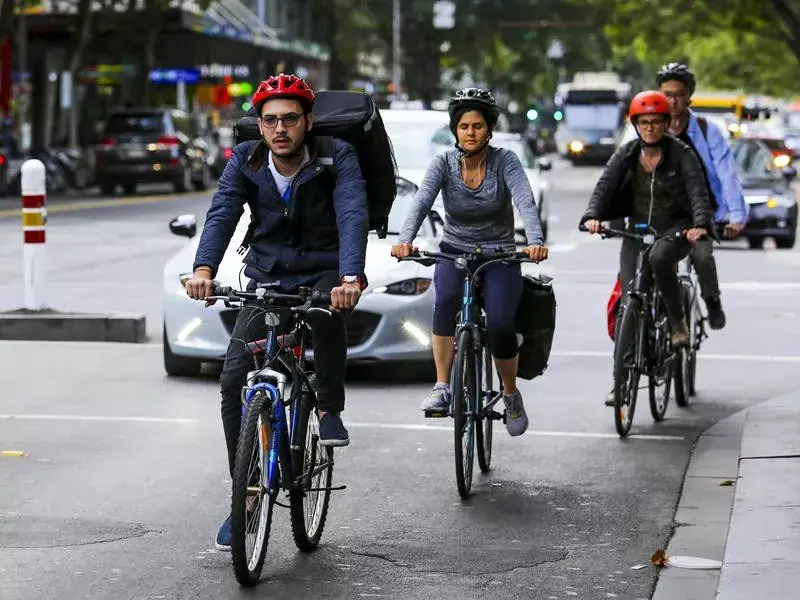
Population: 24.6 million GDP: $520.28 billion ($58,620 per capita) Main industries: Banking and financial services, mining, agriculture, tourism, energy, oil and natural gas Unemployment rate: 5.2 percent Employees working long hours: 13 percent Time devoted to leisure and personal care: 14.4 hours
Bottom Line: Australia

The largest country in Oceania has a lot to see and do. About 13 percent of workers may not be taking full advantage of everything Australia offers and report working long hours. Full-time employees spend about 60 percent of their day on personal tasks and fun pursuits.
30. New Zealand

Population: 4.8 million GDP: $207 billion ($42,098 per capita) Main industries: Tourism, food processing, metal working, mining, aluminum production, textiles, finance Unemployment rate: 4.1 percent Employees working long hours: 15.1 percent Time devoted to leisure and personal care: 14.9 hours
Bottom Line: New Zealand
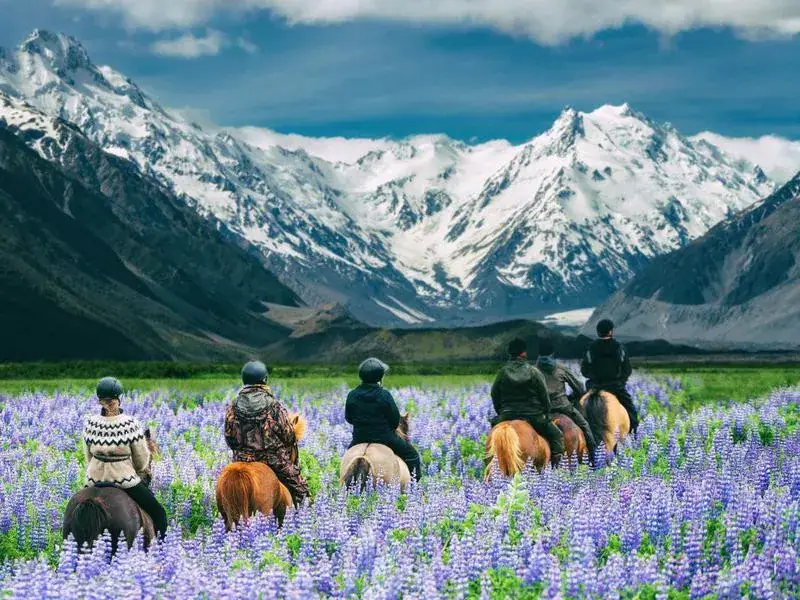
The sovereign island country in the southwestern Pacific Ocean has about 600 small islands and two main landmasses. About 15 percent of New Zealand employees report working long hours. Full-time workers spend almost 15 hours of their day on personal and leisure actions.
29. United States

Population: 327 million GDP: $20.58 trillion ($62,853 per capita) Main industries: Oil and natural gas, computers, information technology, aerospace, defense, medical, pharmaceuticals, food production, agriculture, forestry, tourism, banking and financial services Unemployment rate: 3.7 percent Employees working long hours: 11.1 percent Time devoted to leisure and personal care: 14.4 hours
Bottom Line: United States
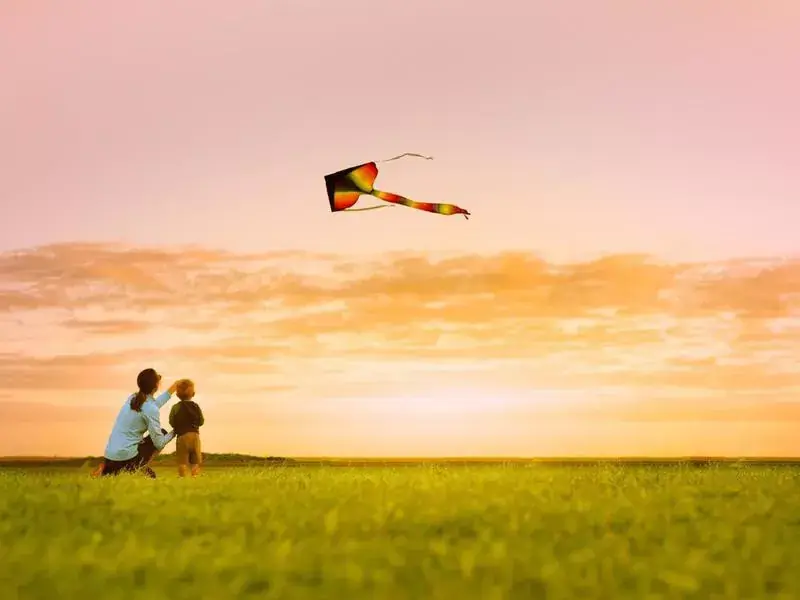
The United States is known for its lack of vacations, but the North American country didn’t come in last for work-life balance. About 11 percent of workers report long hours on the job and might say they are overworked. On the flip side, full-time employees in the U.S. spend 60 percent of their day on personal or leisure activities like sleeping and watching TV.
28. United Kingdom

Population: 66.44 million GDP: $3.21 trillion ($48,092 per capita) Main industries: Banking and financial services, aerospace, pharmaceuticals, oil and natural gas, agriculture, mining, tourism Unemployment rate: 4 percent Employees working long hours: 12.2 percent Time devoted to leisure and personal care: 14.9 hours
Bottom Line: United Kingdom

The United Kingdom is the 11th largest country in Europe (by land area) and has a lot of history. About 12 percent of employees work long hours and miss out on many opportunities to appreciate the U.K. Full-time workers spend 14.9 hours of their day, or 62 percent, on their interests and activities.
27. Brazil

Population: 209 million GDP: $3.26 trillion ($33,254 per capita) Main industries: Forestry, agriculture, textiles, chemicals, farming (coffee and soybeans), automobiles, steel, aircraft, petrochemicals, hydroelectric power Unemployment rate: 4.9 percent Employees working long hours: 7.1 percent Time devoted to leisure and personal care: 14.4 hours
Bottom Line: Brazil

Brazilians know how to enjoy life. While about 7 percent of Brazil employees report working long hours, they also spend a little less than the OECD average of 15 hours on their personal projects, passions and pursuits. So they haven’t mastered work-life balance yet.
26. Poland
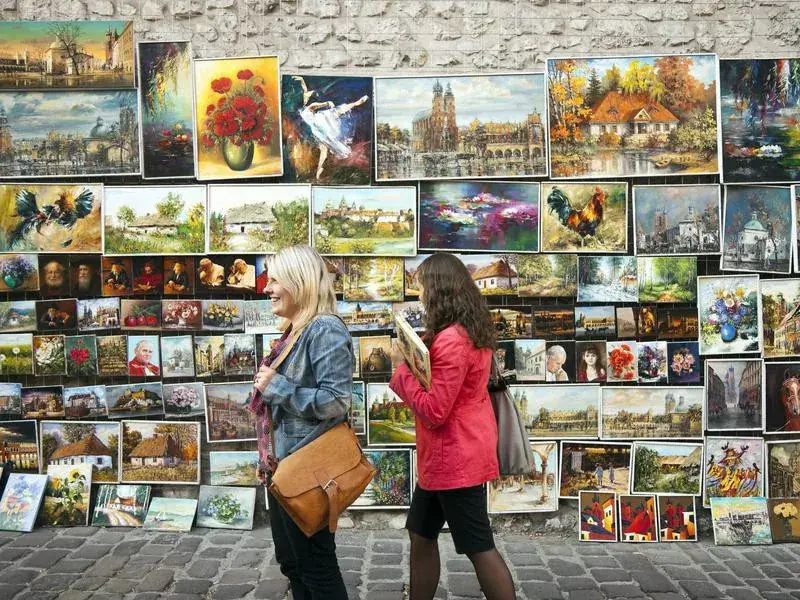
Population: 38 million GDP: $1.27 trillion ($33,254 per capita) Main industries: Pharmaceuticals, agriculture, energy (coal), automobiles, manufacturing Unemployment rate: 3.8 percent Employees working long hours: 6 percent Time devoted to leisure and personal care: 14.4 hours
Bottom Line: Poland

Poland is famous for more than just delicious food. About 6 percent of employees in this Central European country report working long hours. Meanwhile, about 60 percent of workers’ days, or 14.4 hours, go to personal time.
25. Austria
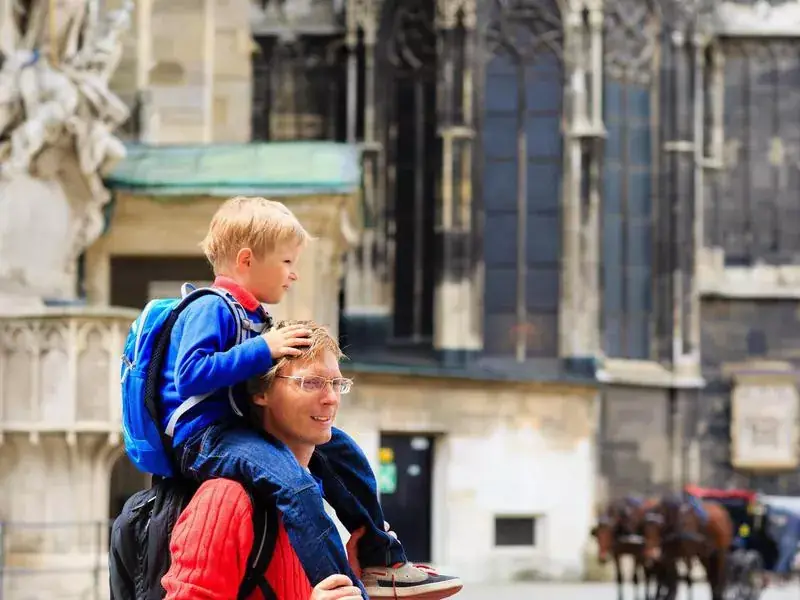
Population: 8.8 million GDP: $520 billion ($58,620 per capita) Main industries: Banking and finance, tourism, agriculture, machinery, automobiles, chemicals, oil and natural gas, food processing Unemployment rate: 4.8 percent Employees working long hours: 6.7 percent Time devoted to leisure and personal care: 14.6 hours
Bottom Line: Austria

Austria is a beautiful country, and many of its citizens take full advantage of all it offers. Workers in the European nation spend about 14.6 hours a day on their lives outside of work. Almost 7 percent of employees work long hours.
24. Latvia
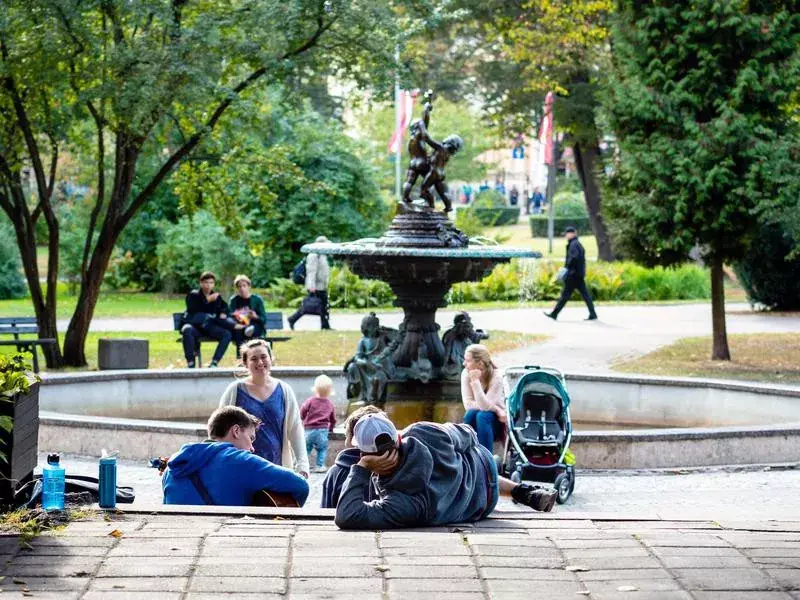
Population: 1.92 million GDP: $61.4 billion ($32,097 per capita) Main industries: Food processing, forestry, metals, machinery, textiles Unemployment rate: 7.4 percent Employees working long hours: 1.3 percent Time devoted to leisure and personal care: 13.9 hours
Bottom Line: Latvia

Some claim the inspiration for Crocodile Dundee was from Latvia. Whether that’s true or not, the European country is an interesting place. Slightly more than 1 percent of workers report long hours in this country that’s on the Baltic Sea, between Lithuania and Estonia. Full-time employees spend 58 percent of their day, or 13.9 hours, on personal interests.
23. Portugal
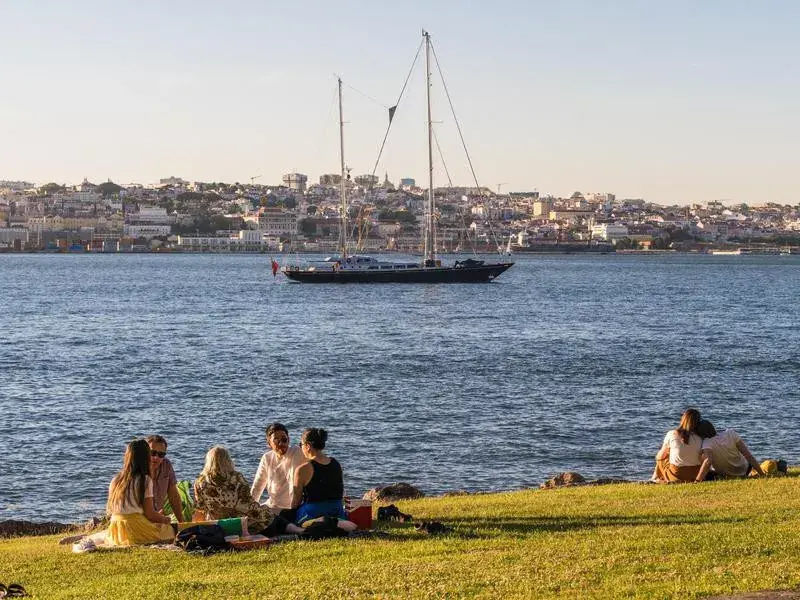
Population: 10.3 million GDP: $369 billion ($31,172 per capita) Main industries: Forestry (cork production), mining, food processing, fishing, machinery, electronics, automobiles, shipbuilding, textile, petroleum refining Unemployment rate: 6.5 percent Employees working long hours: 8.3 percent Time devoted to leisure and personal care: 14.9 hours
Bottom Line: Portugal
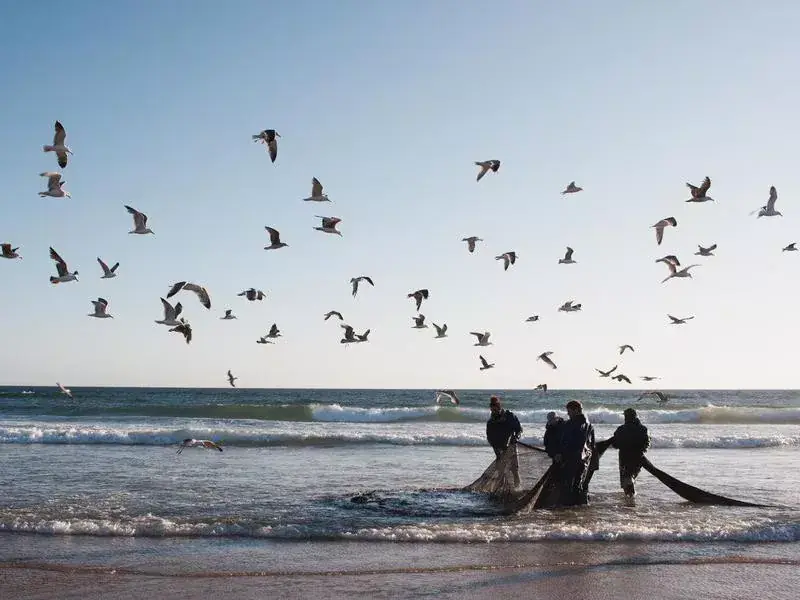
Another one of the most underrated countries in the world is Portugal. Full-time workers spend a little less time than the OECD average of 15 hours for personal and leisure pursuits. About 8 percent of employees report working long hours.
22. Greece
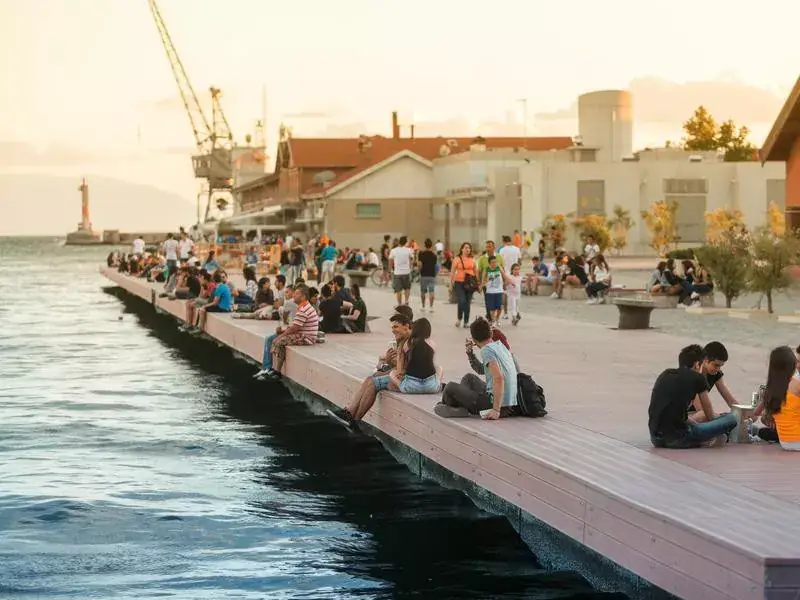
Population: 10.74 million GDP: $333.9 billion ($31,172 per capita) Main industries: Food processing, tourism, shipping and shipbuilding, petroleum refining, mining Unemployment rate: 19.3 percent Employees working long hours: 6.4 percent Time devoted to leisure and personal care: 14.7 hours
Bottom Line: Greece

With so many beautiful beaches, it can be hard to focus on work in Greece. That’s why only about 6 percent of employees spend long hours at their jobs. It’s also why full-time workers in the southeastern European land take about 14.7 hours a day for leisure and personal time.
21. Canada

Population: 37.59 million GDP: $1.855 trillion ($50,078 per capita) Main industries: Forestry, oil and natural gas, paper, food processing, chemicals, transportation, fishing, automobiles Unemployment rate: 5.7 percent Employees working long hours: 3.7 percent Time devoted to leisure and personal care: 14.6 hours
Bottom Line: Canada
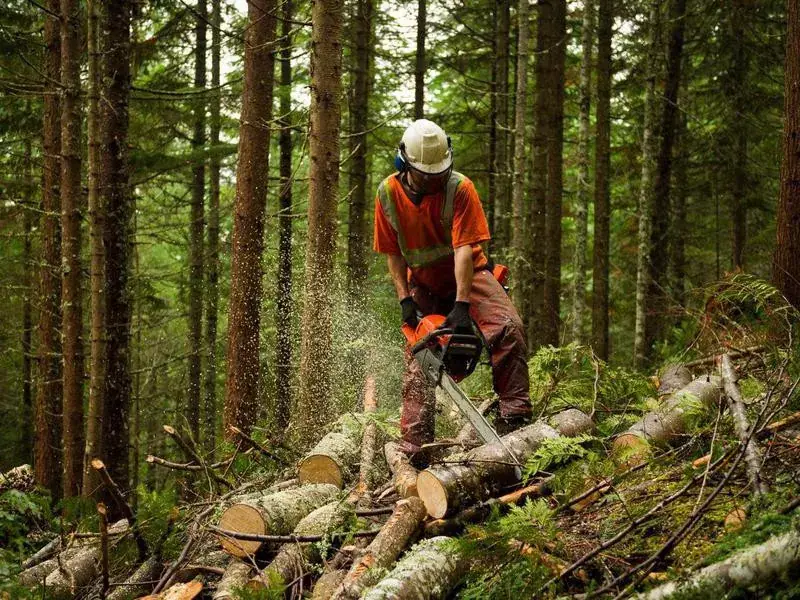
Just a United States neighbor, eh? Some claim the American dream has moved to Canada. In this North American country, nearly 4 percent of employees work long hours. Full-time workers use 61 percent of their day, or 14.6 hours, for personal and leisure activities.
20. Slovenia
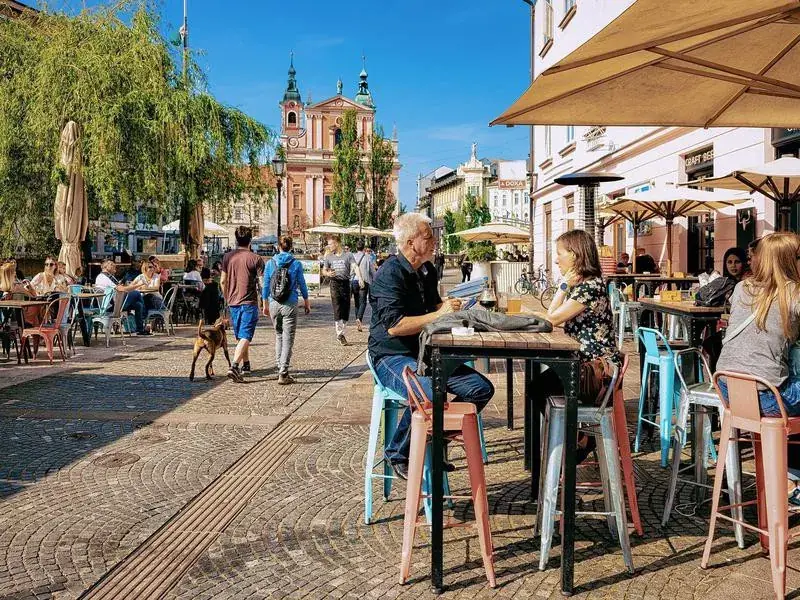
Population: 2.1 million GDP: $83.6 billion Main industries: Food processing, chemicals, pharmaceuticals, automobiles, metallurgy, metals, textiles Unemployment rate: 5.1 percent Employees working long hours: 4.4 percent Time devoted to leisure and personal care: 14.8 hours
Bottom Line: Slovenia

Slovenia has been focused on expanding its economy in recent years. When full-time Slovenian employees aren’t working, about 62 percent of their day, or 14.8 hours, goes to personal and leisure pursuits. Meanwhile, around 4 percent of workers report working long hours.
19. Czech Republic
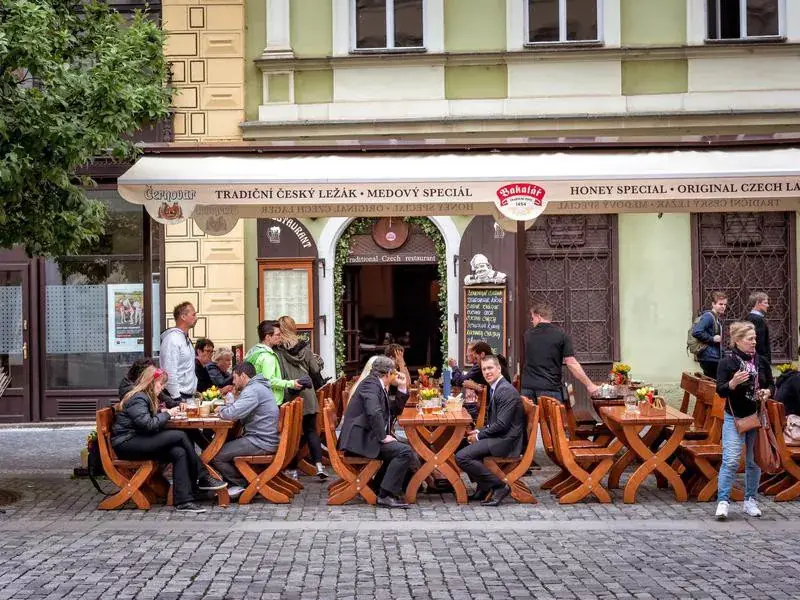
Population: 10.5 million GDP: $449 billion ($42,107 per capita) Main industries: Automobiles, machinery, metallurgy, chemicals, eletroronics, glass, textiles, defense, iron and steel Unemployment rate: 2.2 percent Employees working long hours: 5.6 percent Time devoted to leisure and personal care: 15.1 hours
Bottom Line: Czech Republic

The Czech Republic has become one of the most industrialized economies in post-Soviet Europe, but it’s still developing. In this Central European country, almost 6 percent of workers have long hours at their jobs. Full-time employees spend 15 hours a day on things like eating, sleeping, socializing, games, hobbies and media consumption.
18. Slovak Republic
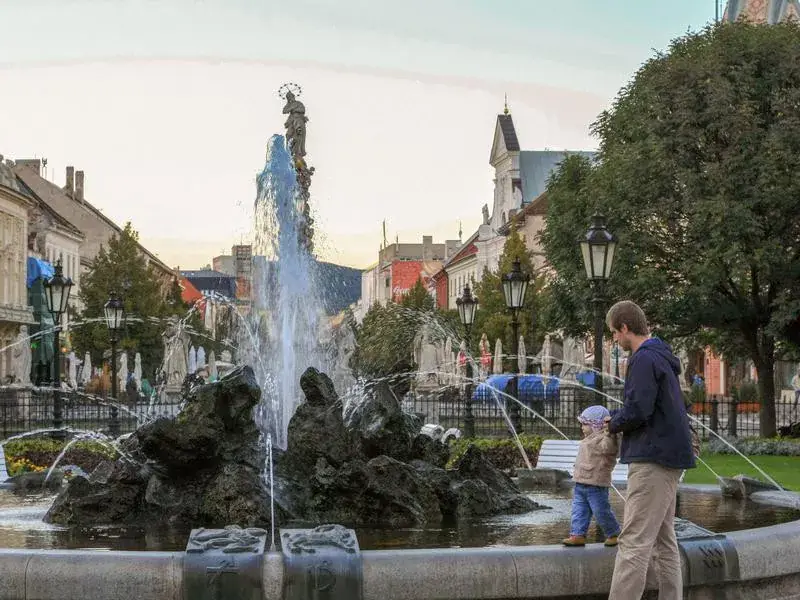
Population: 5.45 million GDP: $184.9 billion ($33,921 per capita) Main industries: Agriculture, automobiles, petroleum refining, steel, chemical engineering, machinery Unemployment rate: 6.5 percent Employees working long hours: 4.1 percent Time devoted to leisure and personal care: 15.1 hours
Bottom Line: Slovak Republic

Many people couldn’t point out the Slovak Republic on a map (hint: it’s bordered by Poland, Ukraine, Hungary, Austria and the Czech Republic). Maybe that’s why the central European gets overlooked outside its borders. In the Slovak Republic, full-time employees have about 15 hours a day to themselves. And only 4 percent of workers report having long hours at work.
17. Estonia

Population: 1.3 million GDP: $50.9 billion ($38,463) Main industries: Machinery, paper, wood, papers, food products, furniture, banking, financial services, agriculture Unemployment rate: 4.4 percent Employees working long hours: 2.4 percent Time devoted to leisure and personal care: 14.9 hours
Bottom Line: Estonia

Estonians work to live. About 2 percent of employees in Estonia report working long hours. Full-time workers spend 62 percent of their day, or 14.9 hours, on personal and leisure activities.
16. Ireland
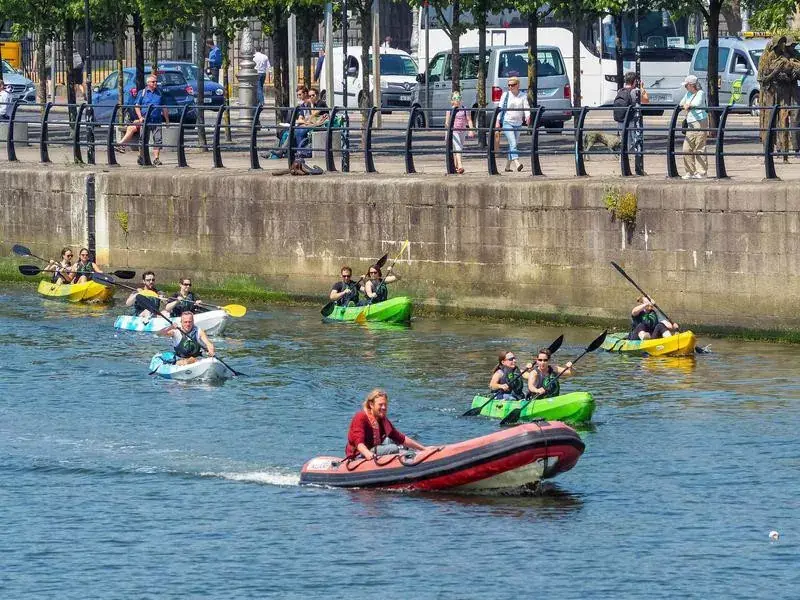
Population: 4.8 million GDP: $444 billion Main industries: Agriculture, food processing, metals, chemicals, textiles, machinery, pharmaceuticals, tourism Unemployment rate: 5 percent Employees working long hours: 5.3 percent Time devoted to leisure and personal care: 15.3 hours
Bottom Line: Ireland

They work hard and play hard in Ireland. About 5 percent of workers living in the Emerald Isle report working long hours. Full-time employees spend 15.3 hours a day on things like eating, sleeping, socializing, games, hobbies and media consumption.
15. Finland

Population: 5.5 million GDP: $2.8 billion ($50,712 per capita) Main industries: Electronics, technology, metals, machinery, engineering, forestry, chemicals Unemployment rate: 7.4 percent Employees working long hours: 3.8 percent Time devoted to leisure and personal care: 15.2 hours
Bottom Line: Finland
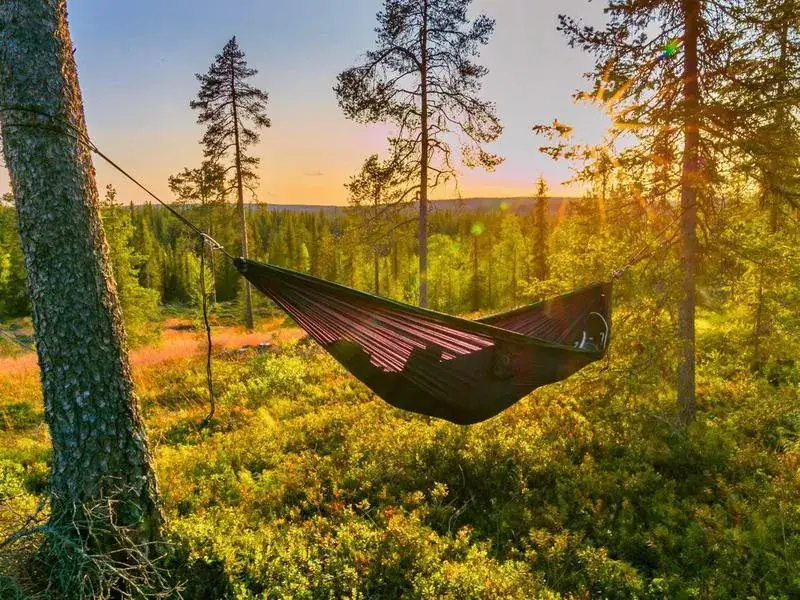
Finland is a global leader in technology and other industries with plenty of successful companies. The Scandinavian country didn’t get that way by being lazy. Almost 4 percent of employees work very long hours in this Northern European country that borders Sweden, Norway and Russia. But they also know how to recharge. Full-time workers spend 63 percent of their day on personal and leisure pursuits.
14. Luxembourg
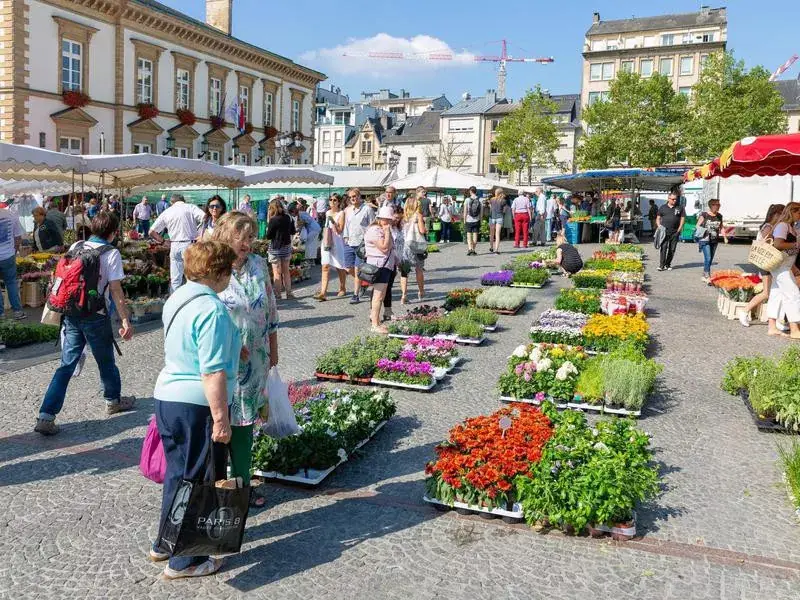
Population: 625,978 GDP: $71 billion ($116,622 per capita) Main industries: Banking, financial services, steel, tourism Unemployment rate: 5.6 percent Employees working long hours: 3.8 percent Time devoted to leisure and personal care: 15.2 hours
Bottom Line: Luxembourg

Luxembourg is small, but it isn’t the smallest country in Europe and shouldn’t be underestimated. Nearly 4 percent of workers in this small European country report working long hours. Full-time employees in Luxembourg spend the OECD average 15 hours a day on themselves.
13. Hungary
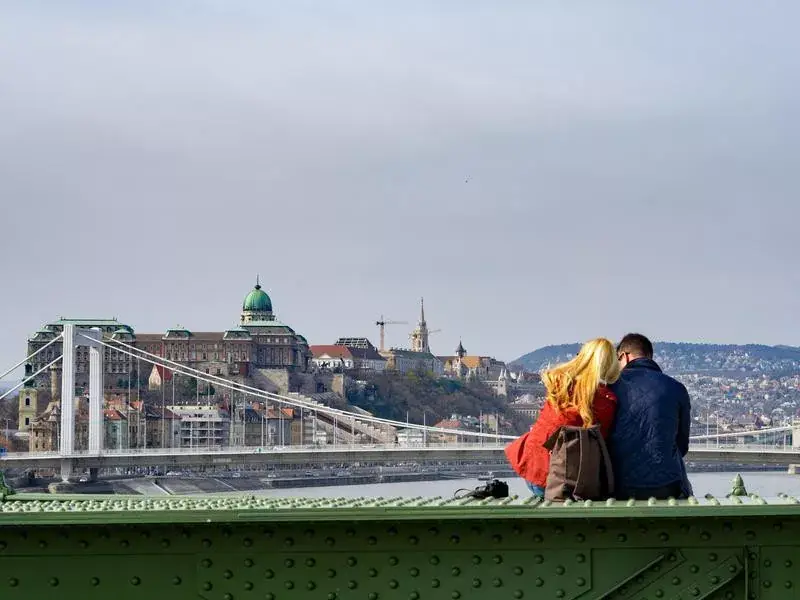
Population: 9.7 million GDP: $330 billion ($33,792 per capita) Main industries: Mining, metals, agriculture (wheat, corn), food processing, machinery, energy, automobiles, tourism Unemployment rate: 3.7 percent Employees working long hours: 3.0 percent Time devoted to leisure and personal care: 15.1 hours
Bottom Line: Hungary

Hungary has been forging a new identity as a country in the last decade. That goes for its economy, too. About 3 percent of employees report working long hours in the central European country. Workers in Hungary spend the average amount of time, 15 hours, on leisure activities and personal care.
12. Russian Federation

Population: 144.5 million GDP: $4.19 trillion ($28,557 per capita) Main industries: Oil and gas, mining, aerospace, electric engineering, automobiles, agriculture Unemployment rate: 4.6 percent Employees working long hours: 0.1 percent Time devoted to leisure and personal care: 15 hours
Bottom Line: Russian Federation

Russians don’t live to work. They work to live. Workers in the Russian Federation spent the average amount of time, 15 hours, on leisure activities and personal care. Only 0.1 percent report working long hours.
11. Switzerland
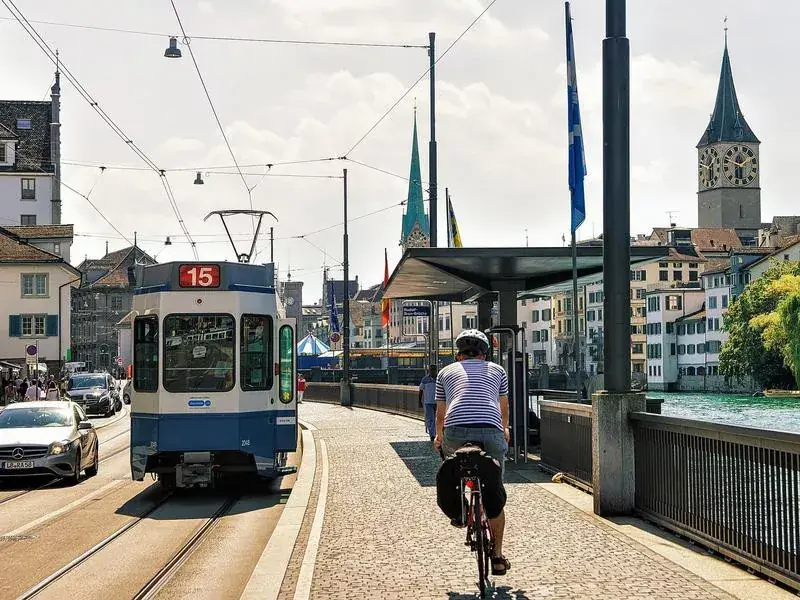
Population: 8.5 million GDP: $590.5 billion ($69,358 per capita) Main industries: Machinery, electronics, precision engineering (clocks and watches), food processing, pharmaceuticals, banking, insurance Unemployment rate: 4.4 percent Employees working long hours: 0.4 percent Time devoted to leisure and personal care: 15.1 hours
Bottom Line: Switzerland
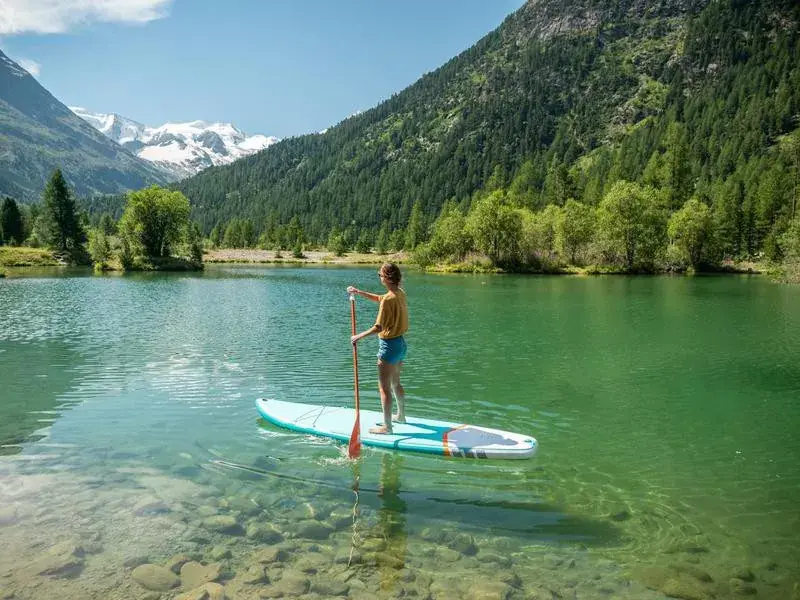
Employees in this European country don’t spend too much extra time working. Only 0.4 percent of employees work long hours. That gives full-time workers lots of time in their day to devote to personal and leisure activities.
10. Sweden
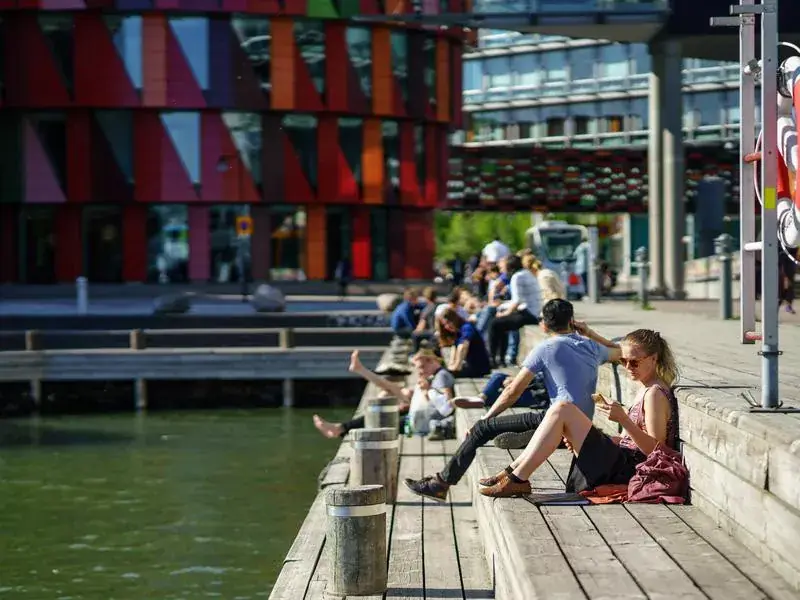
Population: 10 million GDP: $563 billion ($54,834) Main industries: Banking, automobiles, machinery, chemicals, biotech, tourism Unemployment rate: 6.8 percent Employees working long hours: 1.1 percent Time devoted to leisure and personal care: 15.2 hours
Bottom Line: Sweden

Sweden is known for its high happiness levels in its people. This is aided by the country’s focus on lagom, the virtue of moderation and balance. Swedish businesses practice this virtue, which is why only 1 percent of employees in the Scandinavian country work long hours. Free time takes up about 63 percent of the days, or 15.2 hours, for full-time employees in Sweden.
9. Germany
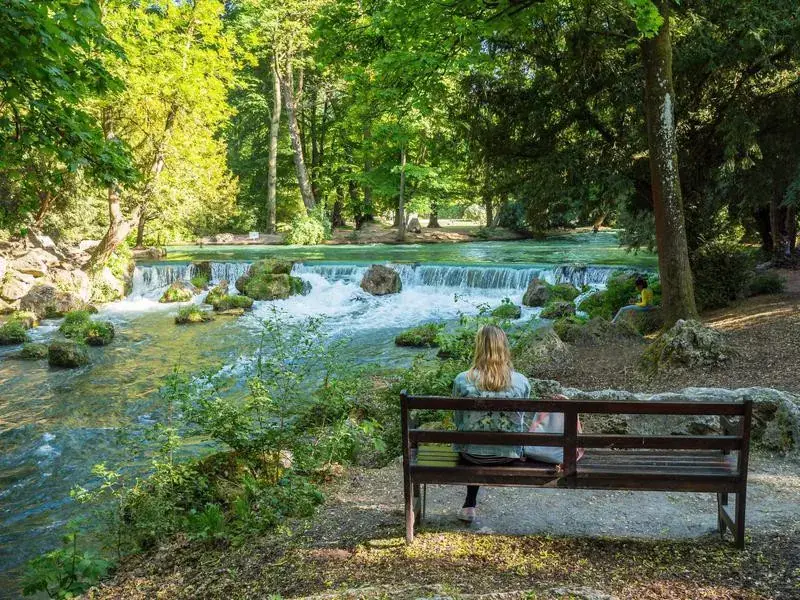
Population: 82.79 million GDP: $4.6 trillion ($55,737 per capita) Main industries: Automobiles, machinery, chemicals, power, steel, food processing Unemployment rate: 3.4 percent Employees working long hours: 4.3 percent Time devoted to leisure and personal care: 15.6 hours
Bottom Line: Germany
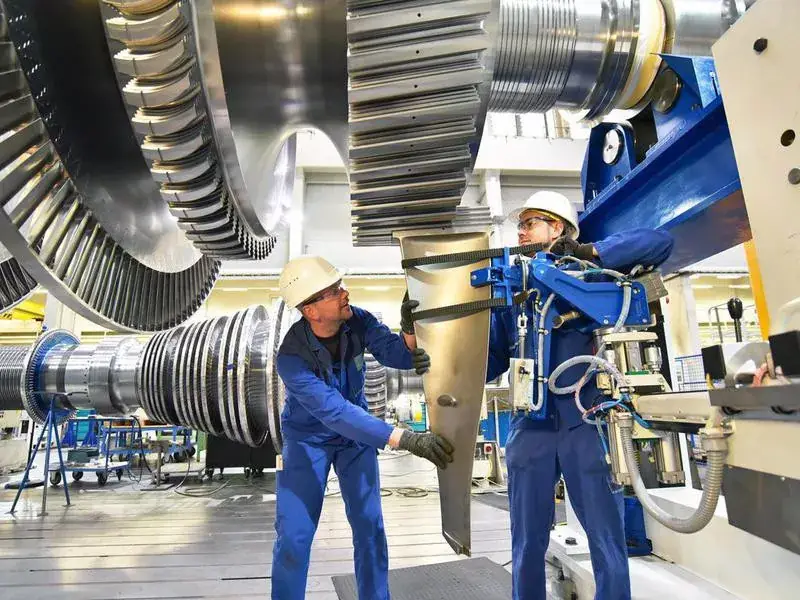
Germans are known for their work effort, but that’s not all they do. Only 4 percent of employees work long hours. Full-time workers give 65 percent of their day to personal care and leisure pursuits.
8. Belgium
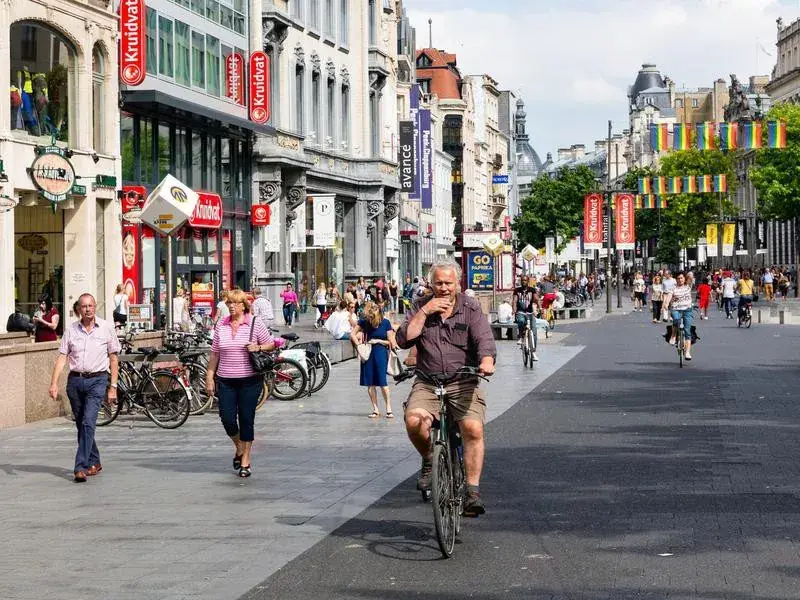
Population: 11.4 million GDP: $616.4 billion ($53,657 per capita) Main industries: Food processing, paper, glass chemicals, metals, petroleum refining, textiles, chemicals Unemployment rate: 5.9 percent Employees working long hours: 4.8 percent Time devoted to leisure and personal care: 15.7 hours
Bottom Line: Belgium

Belgium did not become Europe’s largest consumer of fried potatoes (French fries, or frites) by accident. Only about 5 percent of Belgian people spend long days in the office. They prefer to spend more of their time than the average (15 hours) on personal care and leisure activities daily.
7. Norway

Population: 5.36 million GDP: $359 billion ($67,614 per capita) Main industries: Oil and natural gas, aquaculture, food processing, shipping, paper making, metals, chemicals, textiles, fishing Unemployment rate: 3.7 percent Employees working long hours: 2.9 percent Time devoted to leisure and personal care: 15.6 hours
Bottom Line: Norway

Norway’s focus on koselig — or coziness, nature and connecting with others — helps its residents reach max bliss. That might explain why under 3 percent of employees work long hours in this Scandinavian country. And also why full-time workers spend 65 percent of their day on personal care and leisure activities.
6. Lithuania

Population: $2.8 million GDP: $106 billion ($38,176 per capita) Main industries: Food processing, chemicals, furniture production, financial services, tourism, agriculture, oil refining Unemployment rate: 6.2 percent Employees working long hours: 0.5 percent Time devoted to leisure and personal care: 15.6 hours
Bottom Line: Lithuania
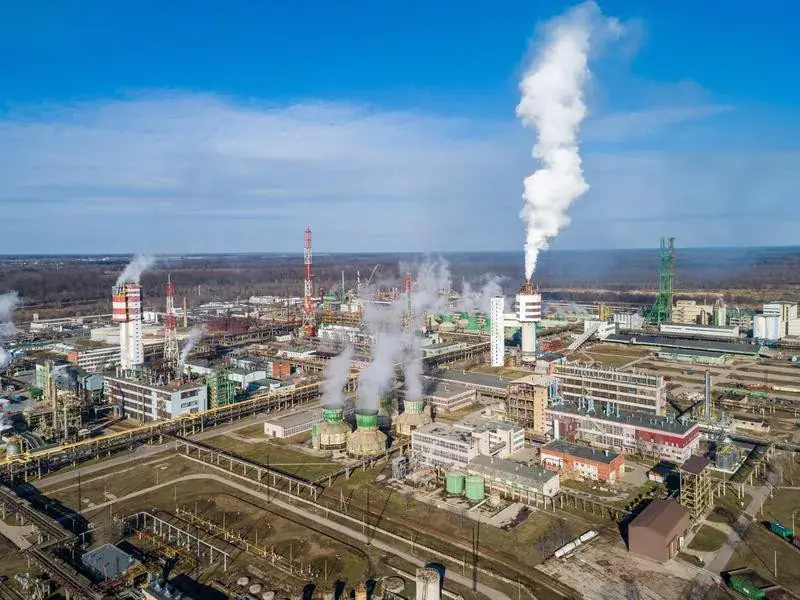
Lithuania’s GDP doubled in the first decade after it joined the European Union in 2004, but the economy has slowed since then. Is it because only 0.5 percent of employees in Lithuania work long hours? Or is it because full-time workers devote much of their day to personal and leisure activities, a little higher than the average? The answer is none of the above. The real reason is trade tensions impacting international trade.
5. France
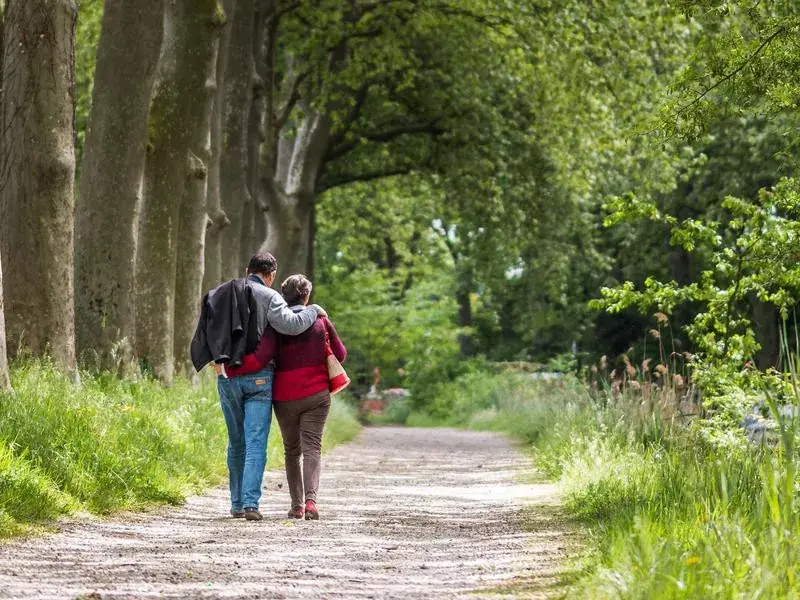
Population: 66.9 million GDP: $3.2 trillion ($47,823 per capita) Main industries: Machinery, aircraft, automobiles, electronics, food processing, tourism, textiles, metals Unemployment rate: 8.4 percent Employees working long hours: 7.7 percent Time devoted to leisure and personal care: 16.4 hours
Bottom Line: France

No one will accuse the French of being overworked. With so many lovely things to do in France, why would anyone want to spend their whole day working anyway? Nearly 8 percent of French employees work long hours, while full-time employees give 65 percent of their daily time to personal care and leisure.
4. Spain
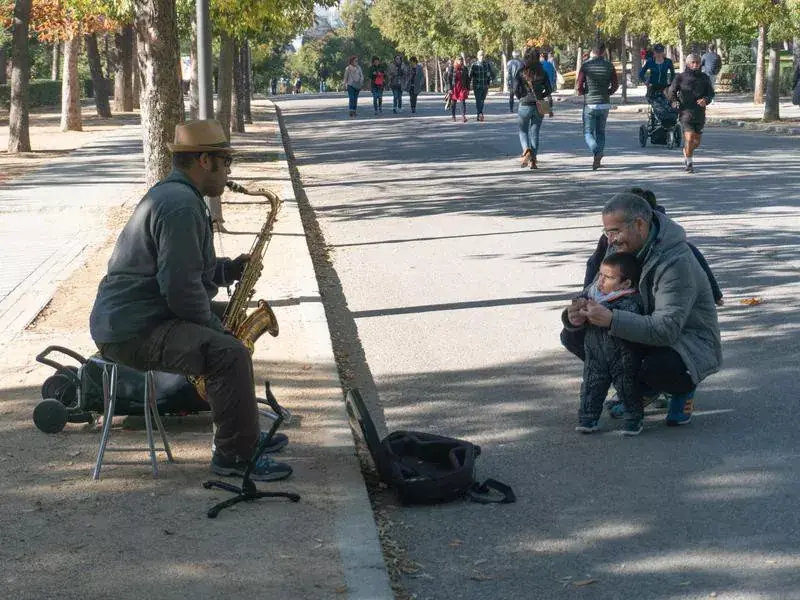
Population: 46.6 million GDP: $1.965 trillion ($41,724 per capita) Main industries: Machine tools, chemicals, shipbuilding, textiles and clothing, tourism, pharmaceuticals, medical equipment, metals Unemployment rate: 14.1 percent Employees working long hours: 4 percent Time devoted to leisure and personal care: 15.9 hours
Bottom Line: Spain

Spain is another country that is known for relaxing, though the hype about siestas, or midday naps, may be a bit overblown. As a result, only 4 percent of employees in the European country work long hours. And full-time workers utilize 66 percent of their day, almost 16 hours, on personal care and leisure activities.
3. Denmark
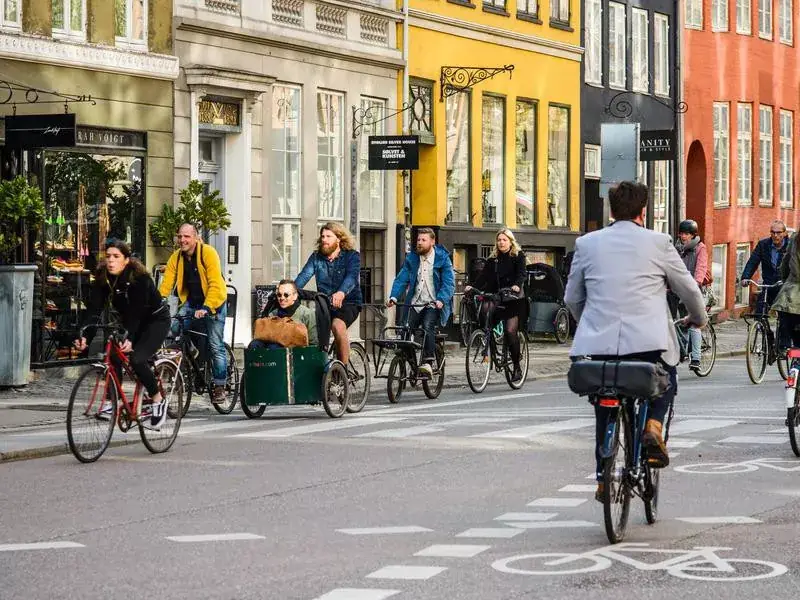
Population: 5.6 million GDP: $343 billion ($59,066 per capita) Main industries: Agriculture, pharmaceuticals, wind turbines, clothing, transportation, chemicals, metals Unemployment rate: 5.1 percent Employees working long hours: 2.3 percent Time devoted to leisure and personal care: 15.9 hours
Bottom Line: Denmark

Don’t judge a book by its cover, but you can judge a country by how happy its people are. And only Finland is a happier country than Denmark, according to the World Happiness Report. About 2 percent of employees in Denmark work long hours, which is much lower than the average of 11 percent. Full-time employees spend 66 percent of their day, or 15.9 hours, on personal care and leisure.
2. Italy
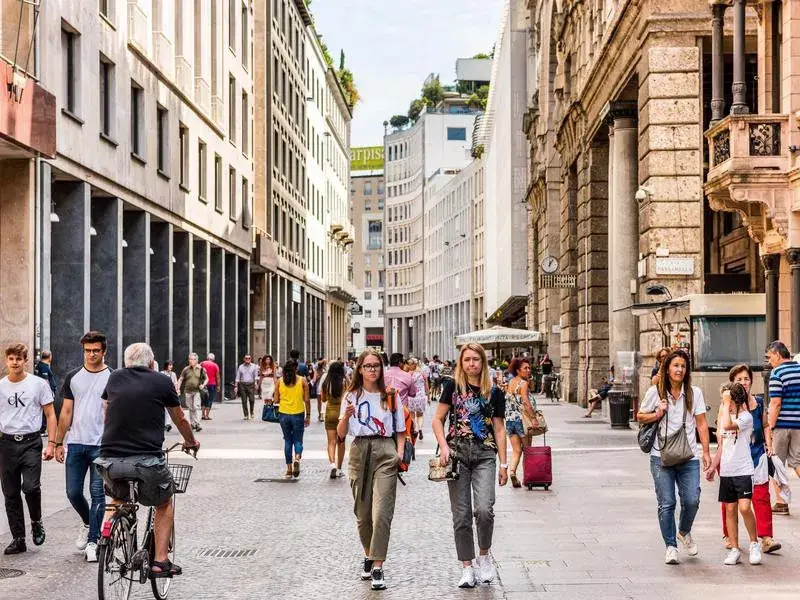
Population: 60.4 million GDP: $2.65 trillion ($43,889 per capita) Main industries: Tourism, food processing, clothing, machinery, ceramics, iron, steel, beverages Unemployment rate: 10.6 percent Employees working long hours: 4.1 percent Time devoted to leisure and personal care: 16.5 hours
Bottom Line: Italy
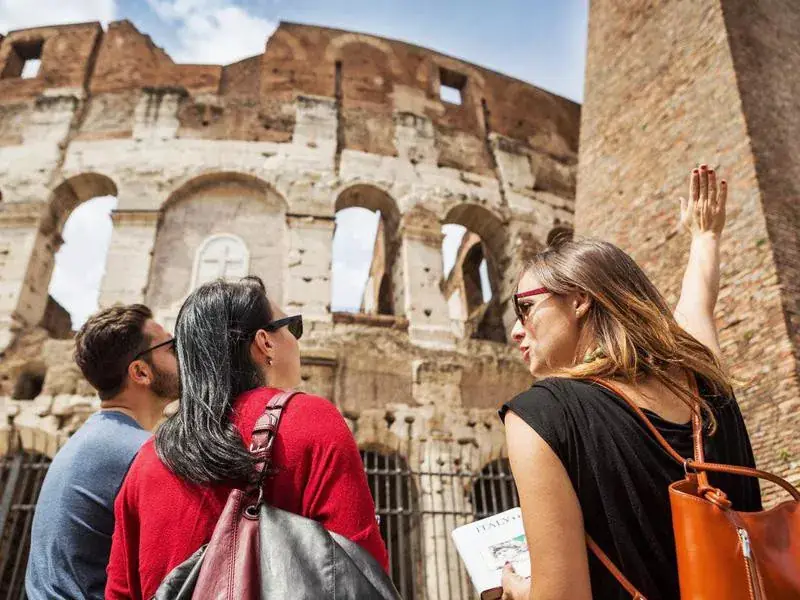
Italians are famous for their relaxation, so it isn’t surprising to see that they have a great work-life balance. About 4 percent of employees work long hours. Full-time workers spend 69 percent of their day, or 16.5 hours, on personal care and leisure.
1. Netherlands
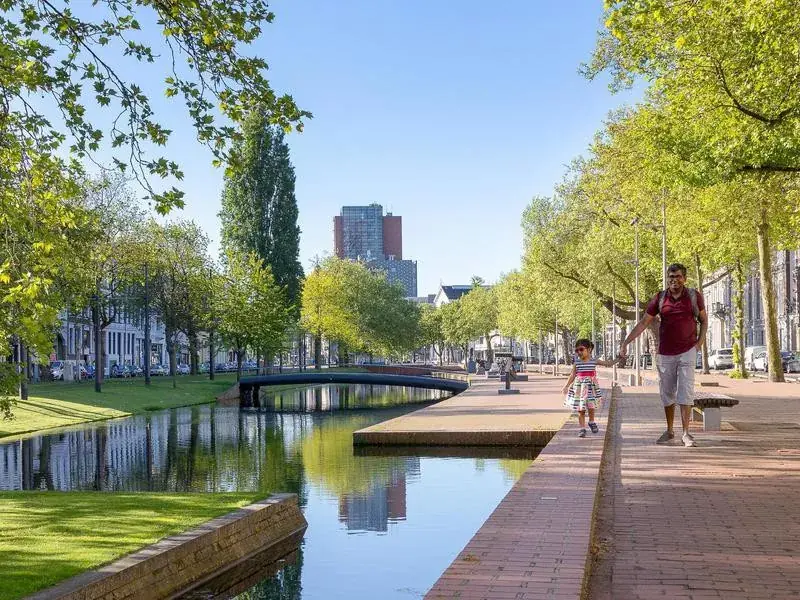
Population: 17.1 million GDP: $1.03 trillion ($59,321 per capita) Main industries: Energy, chemical industry, agriculture, banking, media, automobile industries, food processing Unemployment rate: 3.8 percent Employees working long hours: 0.4 percent Time devoted to leisure and personal care: 16.1 hours
Bottom Line: Netherlands

The Netherlands are first in work-life balance, with less than 1 percent of employees working long hours. In fact, only 0.4 percent of employees work long hours in this European country built on water. People in the Netherlands also spend more of their day on personal care and leisure than the 15 hour-average. If you lived in the land of windmills, tulips and canals, wouldn’t you, too? Learn more about the Organization for Economic Cooperation and Development’s Better Life Index, gross domestic product (GDP) and lots of additional data for each country. Related: Most Innovative Countries in the World