One insurance quote can flip a buyer from downtown to a cul-de-sac, or back again, once they screenshot the flood map and do the math.
The quote you get before you tour tells you where you can live

I didn’t used to run insurance first. I’d book a Saturday, drive the loop, fall for a porch swing, and then let the lender and agent mop up the details. That order is getting people in trouble. Now, if I’m trying to decide between a downtown rowhouse and a newer place out near the beltway, I want a rough homeowners quote in hand before I’m emotionally invested. Not because I’m trying to be clever, but because the premium is starting to behave like a second HOA fee in some zip codes.
Here’s how it shows up in the city vs. suburb push-pull. In older urban neighborhoods, you can have smaller lots, shorter commutes, and walkability, but you also get housing stock with knob-and-tube surprises, slate roofs, aging cast iron, and shared walls that make the underwriter twitch. In some suburbs, it’s the opposite: the construction is newer and systems are predictable, but you’re more likely to be in a wind corridor, a wildfire interface, or a drainage bowl that floods three streets at a time. The bad news is there isn’t a universal winner. The useful part is you can screen for the dealbreakers fast.
I ask for a quote using the specific address and the build year, then I sanity-check the map layers myself. I pull up FEMA’s map, screenshot it, and mark the property boundary. If it’s even flirting with a flood zone, I don’t argue with the listing remarks about “never had water.” I just assume the insurer is going to price the risk the way they see it, not the way the seller remembers it. If the quote comes back high enough that it changes the monthly payment, that’s the moment you see people abandon a charming city block for a slightly boring subdivision, or bail on the subdivision and go back to a brick duplex that sits higher and insures cleaner.
The important part is timing. If you wait until after inspections, you can’t un-feel the house. If you run the quote while you’re still looking at Zillow tabs, you can make the city-or-suburb call with your head still attached.
Suburban sprawl is getting filtered by distance-to-help
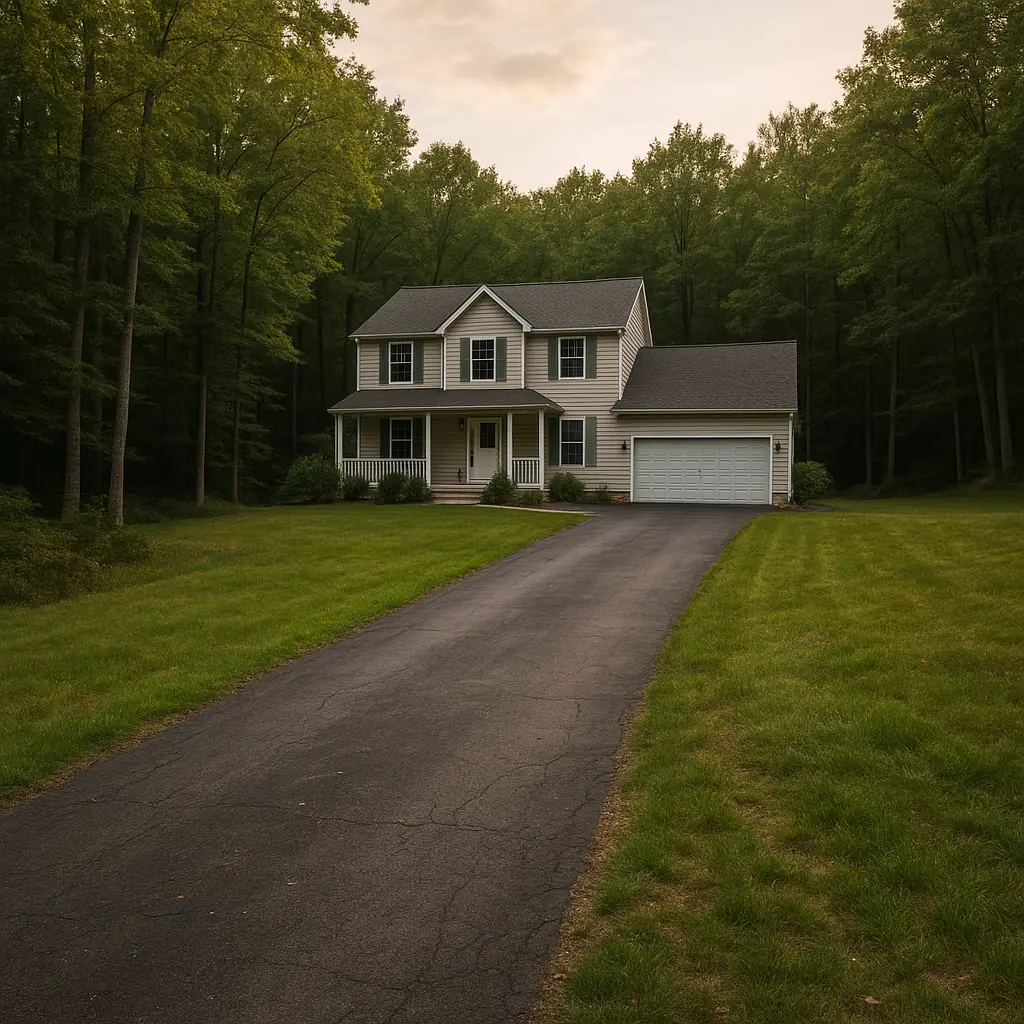
There’s a suburban version of the insurance shock that doesn’t look like a flood zone at all. It looks like a perfectly nice house that sits a little too far from the stuff that makes claims cheaper to resolve. I started hearing it from friends who were pushing farther out for a bigger yard: the same square footage, same price range, wildly different premium, and the only obvious difference was the commute and the tree line.
Underwriting cares about response time, water supply, and rebuild logistics, and those aren’t evenly distributed. Some neighborhoods are a quick turn off the main road, close to a staffed station, and packed with hydrants. Others are semi-rural, on wells or limited water pressure, with long driveways and a volunteer department doing its best. If you’ve ever watched a moving truck try to turn around on a narrow lane, you can picture how a claims crew will feel after an ice storm. That friction shows up in cost.
When I’m comparing an inner-ring suburb to an exurb, I pay attention to three very unromantic details during a drive-by: (1) hydrants, (2) the nearest station, and (3) whether the road network gives you one way in and one way out. It’s not paranoia, it’s pattern recognition. If there are no hydrants in sight and the neighborhood is surrounded by woods, I assume the insurer is going to treat it differently than the subdivision with sidewalks and a water main. If the house is on a private road with a gate, I assume access is a conversation, not a given.
This is one of the places rising premiums are quietly reshaping preferences. People who thought they’d jump to the edge of town for more space are getting pulled back toward denser areas with better municipal infrastructure, because the premium drop can offset the smaller lot. And some buyers are doing the reverse: leaving older city homes with fragile systems for suburbs with new electrical panels, newer roofs, and standardized materials that are simpler to replace.
I don’t need a spreadsheet to feel it. You can see it in which open houses stay busy after the first round of insurance quotes starts circulating in group chats.
The new neighborhood flex is a boring roof and a boring pipe
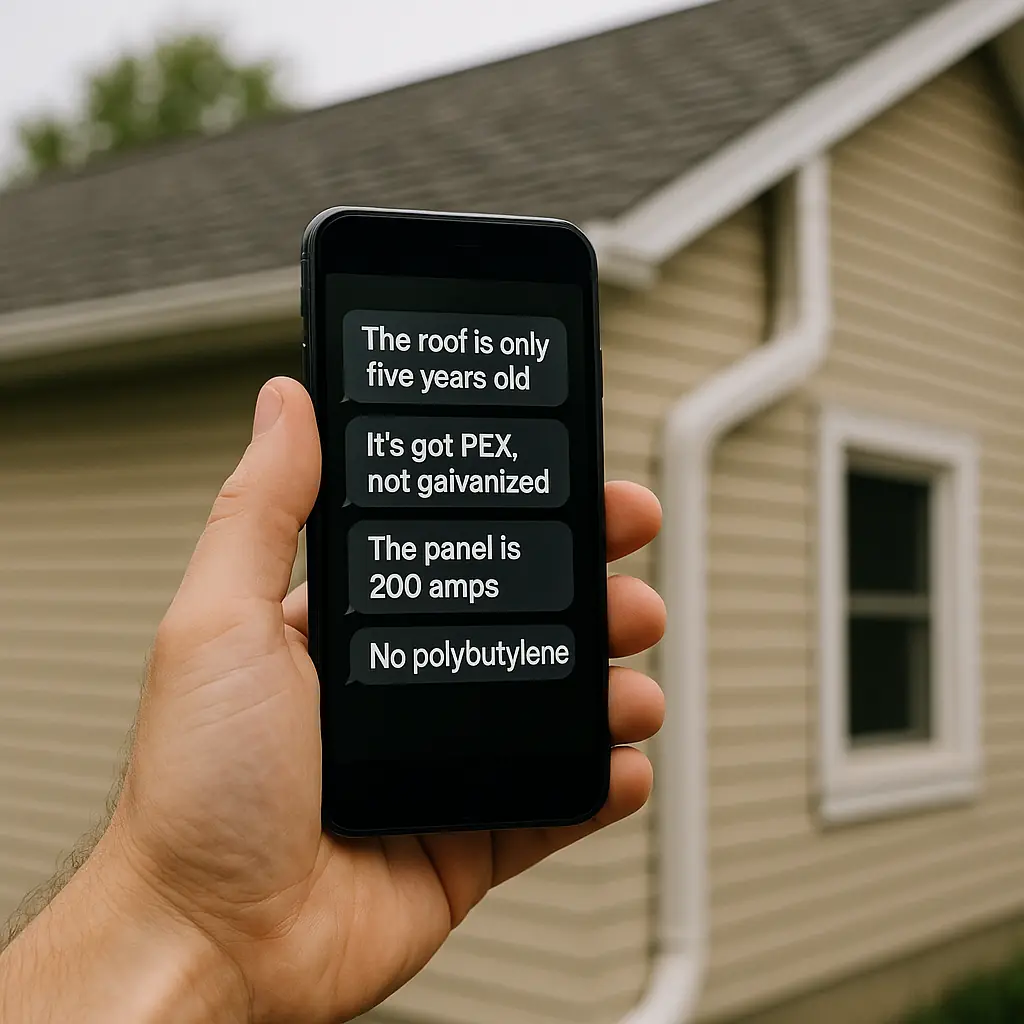
If you want a quick read on how insurance is changing the city vs. suburb decision, watch what buyers brag about after they close. It used to be all kitchen finishes and school districts. Lately, I keep hearing the same oddly practical wins: “The roof is only five years old,” “It’s got PEX, not galvanized,” “The panel is 200 amps,” “No polybutylene.” That isn’t dinner-party material, but it’s becoming the stuff that makes a quote survivable.
This shift lands differently depending on where you’re shopping. In cities, the charm tax is getting more expensive. A 120-year-old house with a patched roofline, an aging boiler, and a stacked history of DIY updates can still be a great home, but it now comes with a new question: can you insure it without drama? Some carriers are picky about roof age, wiring type, and plumbing material. Even when they’ll write the policy, they might require updates on a timeline that collides with your cash flow.
In the suburbs, newer construction can look like the safer bet until you zoom in. A brand-new roof doesn’t help much if the neighborhood is exposed, the trees are tight to the eaves, or the lot grading funnels water toward the foundation. I’ve walked developments where every backyard slopes straight at the house and the downspouts dump right beside the slab. It’s the kind of thing you don’t notice when you’re dazzled by a two-story foyer, then you see it after the first hard rain.
So my house-hunting checklist has gotten weirdly specific. I want the roof age in writing. I want to know the plumbing supply lines and the sewer line material if it’s an older place. I want photos of the electrical panel with the cover off, taken by an inspector, not a blurry listing shot. If I’m choosing between a city block and a subdivision, those details can be the tiebreaker because they follow you monthly.
The punchline is that boring is starting to win. Not everywhere, not for everyone, but often enough that it is tilting the map of where people are willing to land.