Before you shop rates, check wildfire maps, roof age, and the rebuild number your agent will price, not the one you wish was true.
Stop arguing about premiums and pull the hazard map

I keep seeing buyers fixate on the monthly premium like it is a standalone bill, separate from the house. It is not. With climate risk getting modeled more granularly, the premium is basically the receipt for where the property sits on a map. So before you fall in love with a street, open the same map layers the industry is leaning on and do a five-minute sanity check. Start with FEMA’s flood maps if you’re anywhere near water, even if the listing agent swears the place has never flooded. Then add a wildfire layer from your state forestry department or a national dataset. If the neighborhood is in a wildland-urban interface zone, the insurer is going to notice, and they may price it hard, restrict coverage, or require mitigation before binding.
Here’s the part that changes decisions: those maps don’t just steer you away from the obvious riverfront. They punish the cute in-between spots, the ones that feel tucked into trees or backed up to open space. I’ve toured homes where the yard looked like a magazine spread, then I stepped behind the detached garage and realized the lot line melted straight into brush. That is a defensible space problem, not a landscaping preference.
When you tour, treat it like a site walk with an adjuster in your head. Look for embers-and-wind details: wood fencing that runs right up to the house, mulch piled against siding, a deck with storage underneath, vents without fine mesh. None of this is hard to change, but it is very easy to underestimate the scope when you’re also budgeting for closing costs and a moving truck. If the risk layer is red and the exterior is flammable, you are negotiating more than price. You’re negotiating whether the house can be insured on terms that let you sleep and satisfy a lender.
Your roof’s age now behaves like a credit score
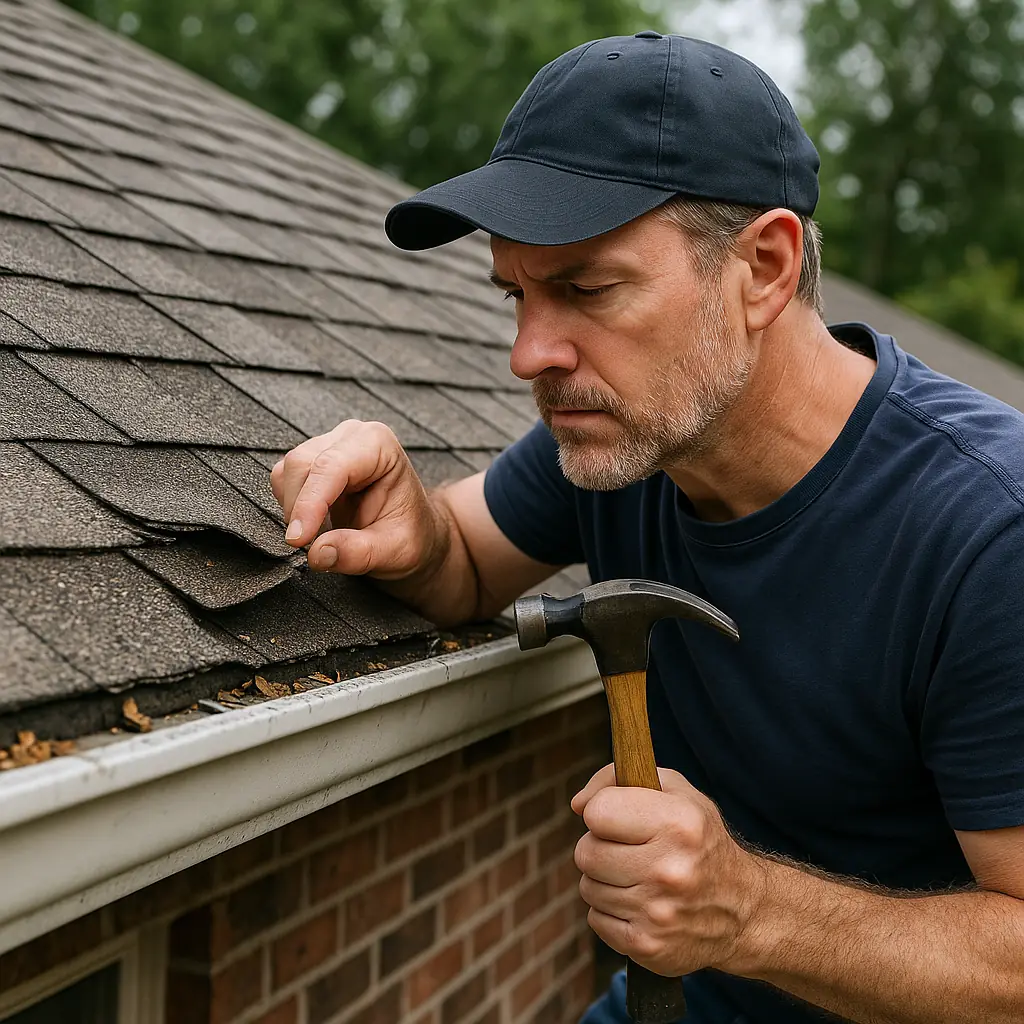
If you want one physical component that explains why climate change is showing up in insurance pricing, it’s the roof. Not because roofs are glamorous, but because hail, wind, and wind-driven rain claims are where carriers get loud fast. And once a carrier decides a roof is too old for the area, they don’t politely suggest you replace it someday. They limit coverage, hike the deductible, or decline the risk.
On showings, I do a roof check the same way every time, and it is not the cinematic drone moment. It’s boring. I look for the stuff that quietly signals age and brittleness: granules collecting in gutters, curling at shingle edges, exposed nail heads on ridge caps, soft spots around pipe boots, and flashing that looks like it has been re-caulked three times. If there’s an attic access, I stick my head up and look for dark staining on the underside of the decking and rusted nail tips. That tells you about ventilation and past moisture, which matters because insurers are increasingly wary of repeated small claims, not just catastrophic loss.
Then I ask for two documents that change the math of the offer: (1) the roof replacement invoice or permit record, and (2) any transferable roof warranty paperwork. If the seller can’t produce either, you’re guessing, and guesswork is expensive when an underwriter is using stricter guidelines in storm-heavy regions.
This is where homeowners are changing their real estate decisions in plain sight. People are passing on otherwise solid houses because the roof is 17 years old and the neighborhood is in a hail corridor, and they can already see the post-closing scramble: find a roofer, pick a shingle that meets wind rating, schedule around weather, and hope the insurer doesn’t cancel mid-project. If you’re negotiating, roof age is a leverage point, but only if you’re specific. Ask for a credit toward a replacement, or ask the seller to complete a replacement with permits before closing. Vague requests like “help with insurance” go nowhere. A roof line item does.
Rebuild cost is the number that can break your deal

A lot of homeowners still talk about insurance like it is pegged to the sale price. In practice, what tends to drive the quote is the estimated rebuild cost, and climate volatility has made that number feel jumpier. After a major fire or hurricane, labor gets scarce, materials spike, and timelines stretch. Carriers know this, so the replacement cost estimate that sits behind your dwelling coverage can be higher than what a casual buyer expects, especially for older homes with odd rooflines, lots of glazing, or finishes that are harder to source.
When I’m evaluating a property, I run a simple check: does the house have features that make a rebuild slow or specialized? Things like slate or tile roofing, custom windows, attached decks with complex connections, a steep driveway that complicates staging, or a hillside foundation that needs engineers. None of those are deal-killers, but they can inflate the insured value and push premiums into a bracket that changes what you can comfortably carry.
This is also where financing and insurance start talking to each other in an annoying way. If the lender requires a certain level of hazard coverage, you may not have the option to underinsure just to get a lower bill. And if the insurer requires a higher wind or hail deductible, that is not an abstract percentage. That is a check you need to be able to write after a bad event.
The homeowner move I’ve seen more lately is choosing simpler-to-rebuild homes on purpose. Fewer complex roof intersections. More standard materials. A layout that trades one dramatic great room for something that can be repaired without specialty crews. It sounds unromantic, but it is a rational response to climate-driven claim behavior. Before you make an offer, ask your agent or insurance broker to quote with the address, then ask what assumptions they’re using for replacement cost. If their rebuild figure seems way above what you expected, don’t hand-wave it away. That gap is often the hidden reason a house that looked affordable on paper starts to feel tight once you add the insurance line to the monthly burn.